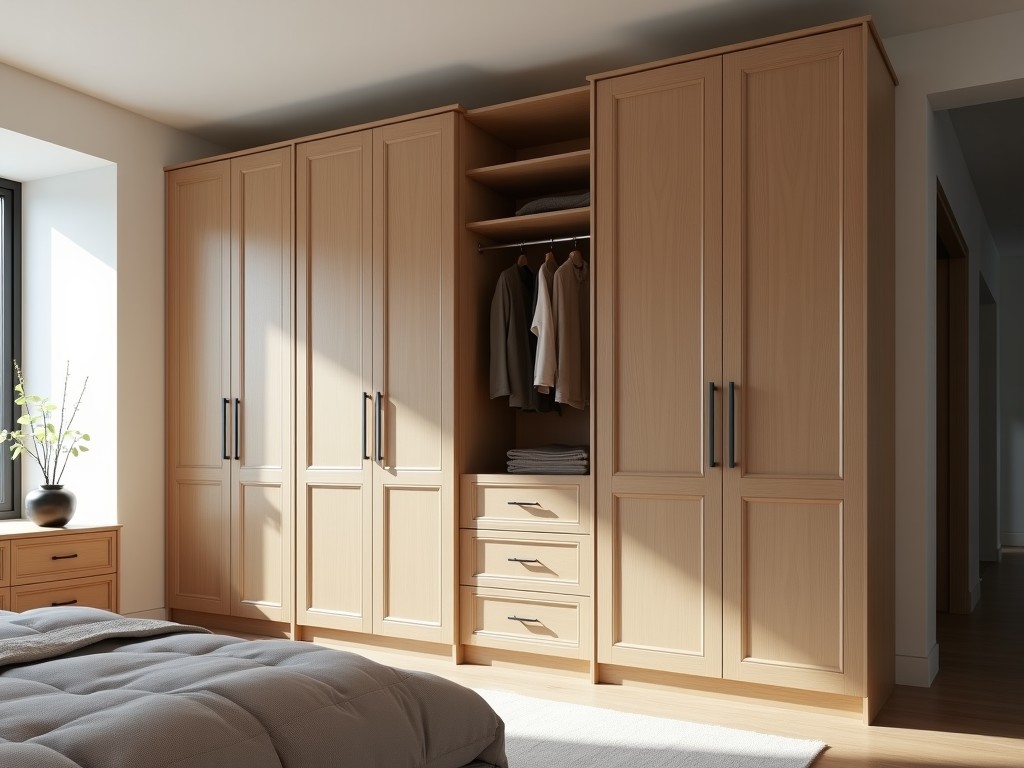
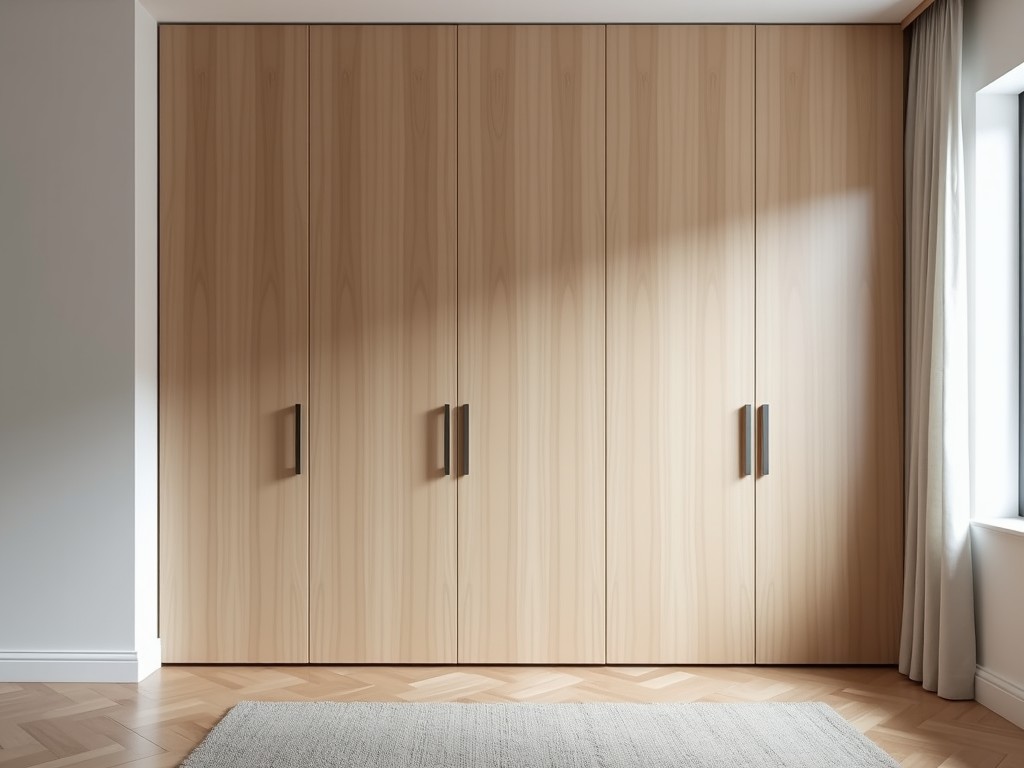
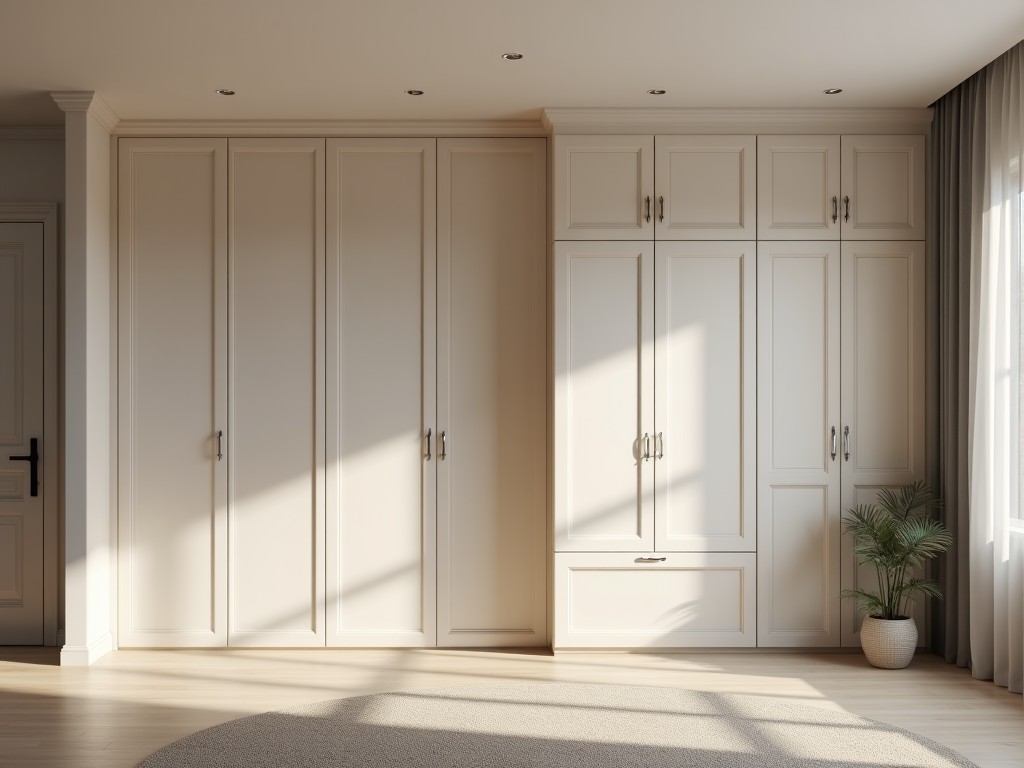
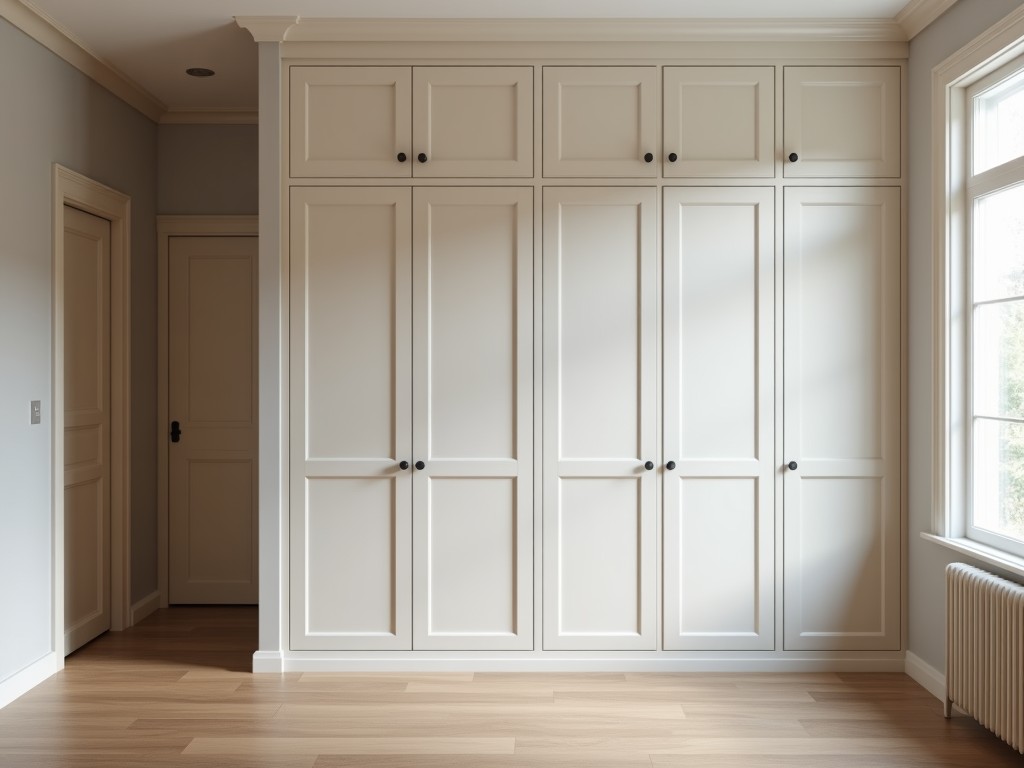
Walk In Closet With Drawers And Hanging Rods
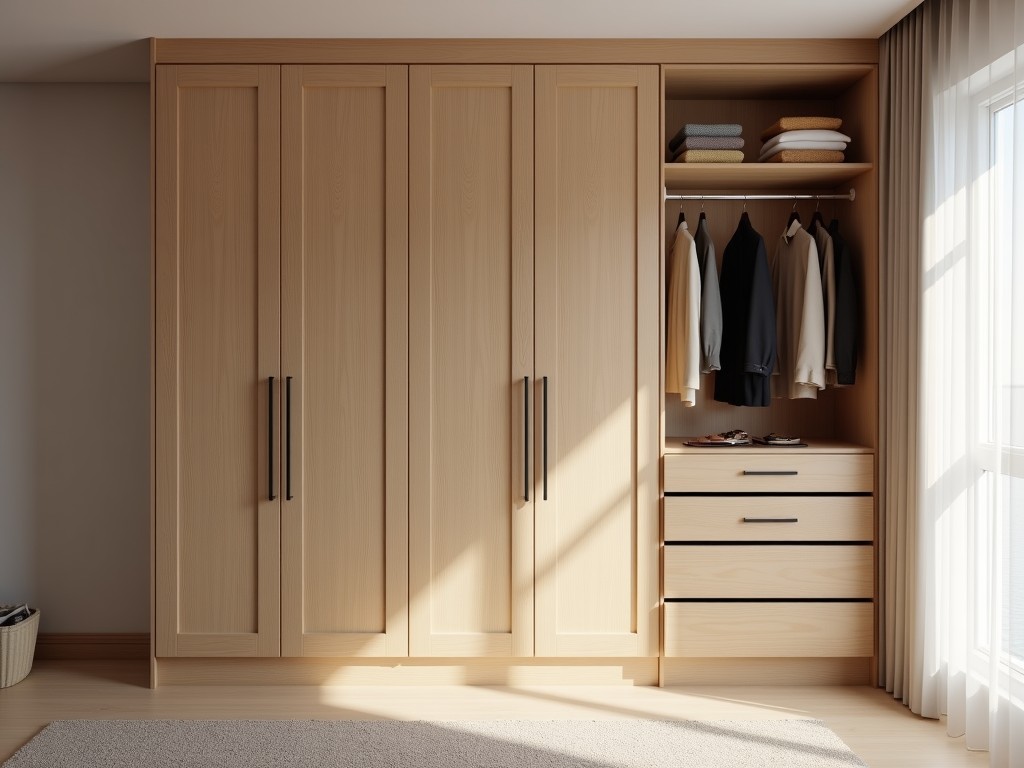
Walk In Closet With Drawers And Hanging Rods
Industrial-grade walk-in closet systems designed for commercial and institutional applications combine structural rigidity with functional storage efficiency. These units are engineered to support
- Category:
- Walk In Closet
Walk-In Closet Systems with Integrated Drawers and Hanging Rods
Industrial-grade walk-in closet systems designed for commercial and institutional applications combine structural rigidity with functional storage efficiency. These units are engineered to support sustained daily use in environments such as employee facilities, hospitality suites, and multi-residential buildings where load distribution, material durability, and spatial optimization are critical design considerations.
Unlike residential closet systems that prioritize aesthetics alone, industrial configurations emphasize measurable performance parameters: axial load capacity of hanging rods, deflection limits under distributed weight, and wear resistance of drawer glides under cyclic operation. Each component is selected based on predictable long-term behavior rather than subjective quality assessments.
Structural Framework and Load-Bearing Capacity
The primary frame utilizes cold-rolled steel channels with a minimum thickness of 1.2mm, formed into upright posts and lateral supports to resist racking forces. Vertical members are anchored to floor and wall substrates using mechanical fasteners rated for shear and tensile loads exceeding 1.5kN per connection point, ensuring stability under asymmetric loading conditions common in high-use storage scenarios.
Hanging rods are constructed from extruded aluminum alloy 6063-T5 with a diameter of 30mm and wall thickness of 2.0mm, providing a yield strength of approximately 210 MPa. This configuration supports a uniformly distributed load of up to 80kg per linear meter without exceeding L/200 deflection limits, verified through finite element analysis under static loading conditions equivalent to 20 garments per meter at average weight distribution.
Drawer System Specifications and Operational Longevity
Drawers employ full-extension ball-bearing glides manufactured from cold-rolled steel with zinc-nickel plating, rated for 50,000 cycles at 40kg dynamic load per pair according to ANSI/BIFMA X5.6 standards. The glide mechanism incorporates anti-rebound features and lateral stability guides to prevent tilt during full extension, maintaining alignment tolerance within ±0.5mm over the product lifecycle.
Drawer fronts and sides are fabricated from 18mm melamine-faced particleboard with edge banding of 2mm PVC, offering surface abrasion resistance of 150 cycles (Taber Test, CS-10 wheel) and moisture resistance compliant with EN 12720 Class 2. Internal drawer dimensions are standardized in 50mm increments to accommodate modular storage bins, with clear opening height of 120mm for standard file and accessory storage.
Material Selection and Environmental Considerations
Structural components utilize recyclable steel and aluminum alloys with minimum 30% post-consumer content, reducing embodied energy compared to virgin material alternatives. All finishes are low-VOC, water-based coatings or certified powder coatings with VOC content below 50g/L, meeting requirements for indoor air quality in sensitive environments such as healthcare and educational facilities.
Melamine-faced panels are sourced from FSC-certified suppliers, ensuring traceability to responsibly managed forests. Edge sealing prevents formaldehyde emission exceeding 0.05ppm, complying with CARB Phase 2 and EPA TSCA Title VI regulations for composite wood products used in interior applications.
Customization Logic and Dimensional Flexibility
System dimensions are governed by modular increments of 100mm in width and 50mm in height, allowing precise adaptation to architectural constraints without custom fabrication. Standard configurations range from 900mm to 2400mm in width, 500mm to 650mm in depth, and 2000mm to 2500mm in height, with intermediate sizes available through adjustable shelving and variable rod positioning.
Hanging rod height is adjustable in 25mm increments via slot-and-key fasteners, enabling configuration for specific garment types — 1000mm for shirts and trousers, 1600mm for coats and gowns. Drawer stacks are limited to a maximum of four units per column to maintain structural integrity, with load distribution analyzed per stack to prevent exceeding safe bearing capacity of the supporting frame.
Quality Control and Manufacturing Consistency
Critical dimensions are verified using coordinate measuring machines (CMM) with precision of ±0.02mm at three stages: raw material intake, post-forming, and final assembly. Load testing is performed on 10% of production batches using calibrated dynamometers to validate rod and glide performance against design specifications, with statistical process control maintaining CpK values above 1.33 for key parameters.
Surface finish uniformity is assessed via spectrophotometric measurement, ensuring color ΔE < 1.5 and gloss variation within 5 GU across all visible components. Each unit receives a unique identifier linked to material certificates, test records, and inspection logs, enabling full traceability for warranty and audit purposes.
Typical Configuration Parameters
| Parameter | Typical Value | Customization Notes |
|---|---|---|
| Upright Post Thickness | 1.2mm cold-rolled steel | Available in 1.5mm for seismic zones |
| Hanging Rod Diameter | 30mm x 2.0mm wall aluminum | 40mm diameter for heavy-duty use |
| Drawer Glide Rating | 50,000 cycles @ 40kg | Heavy-duty option: 75,000 cycles |
| Panel Material | 18mm melamine-faced particleboard | Moisture-resistant MDF available |
| Finish VOC Content | < 50g/L | Zero-VOC powder coat optional |
All technical data represents typical values derived from standardized testing procedures. Project-specific requirements such as seismic resistance, corrosion protection in high-humidity environments, or integration with access control systems are evaluated during the engineering review phase. Final specifications are confirmed through shop drawings and load calculations stamped by a licensed structural engineer when required by local building codes.