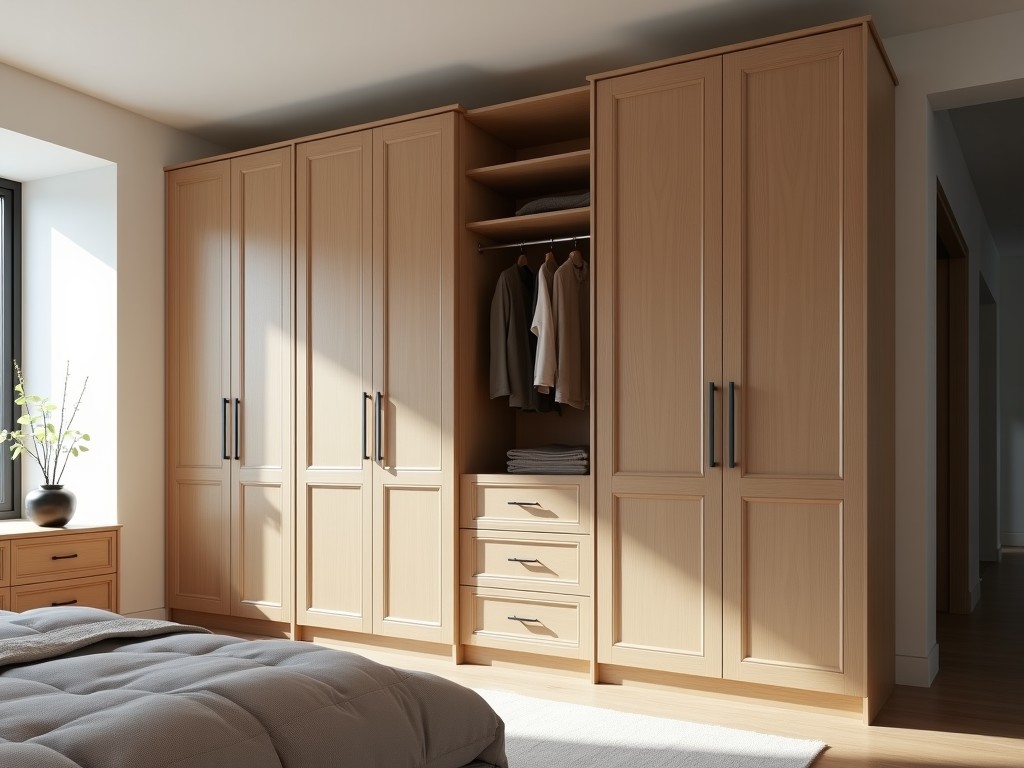
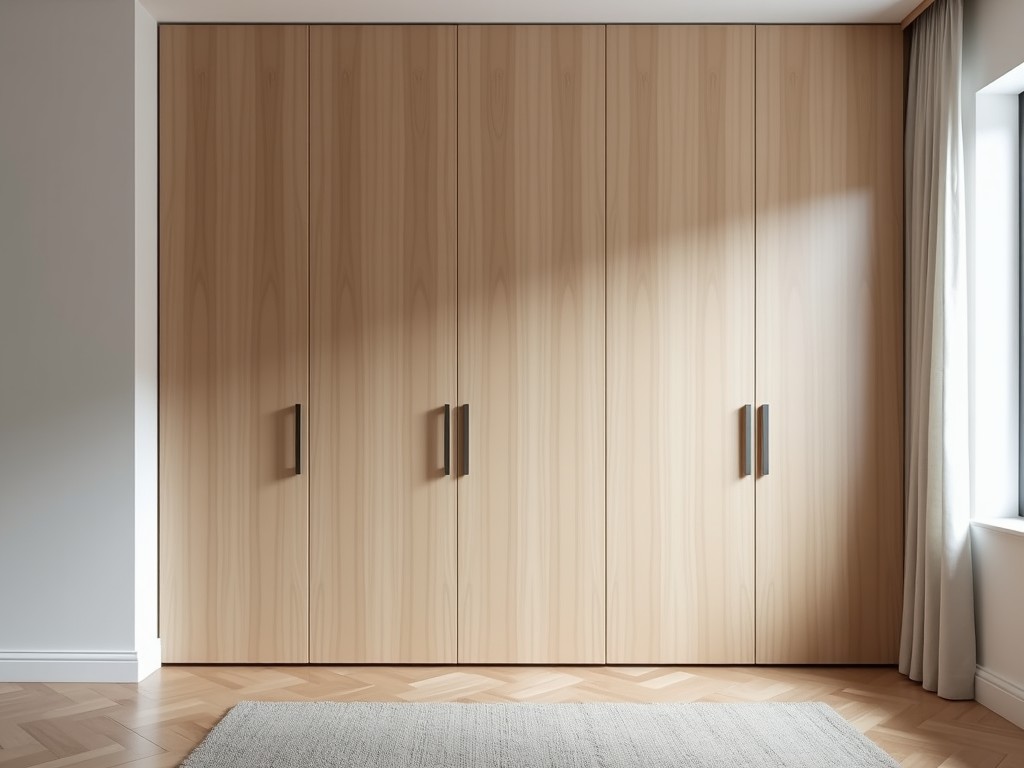
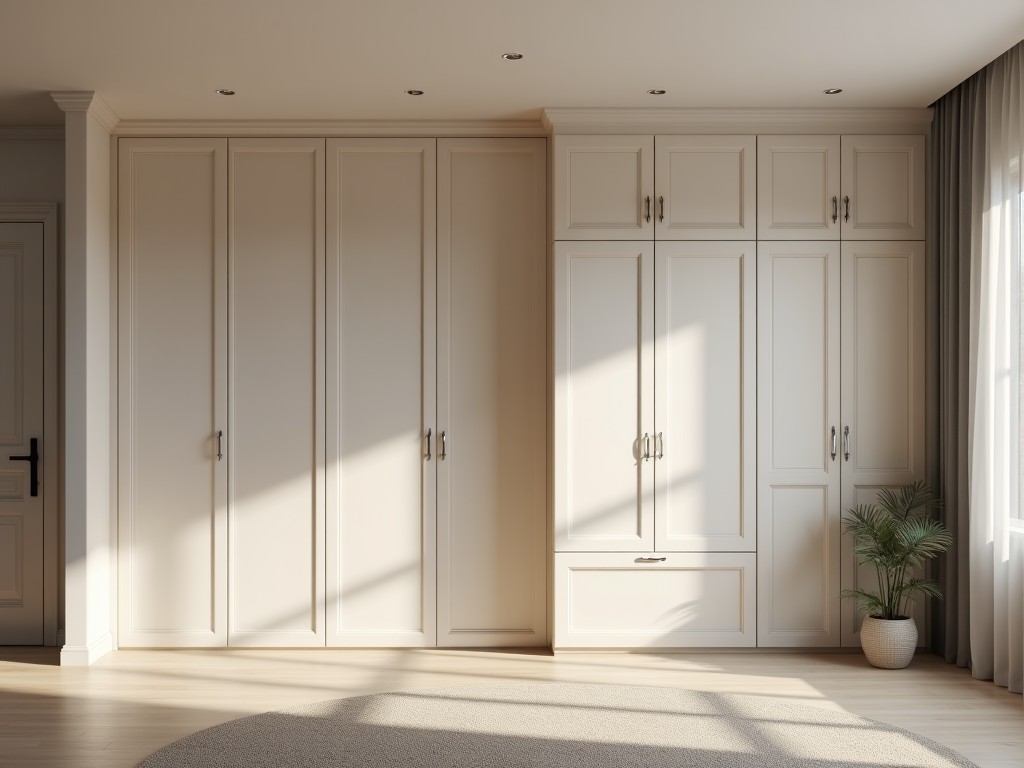
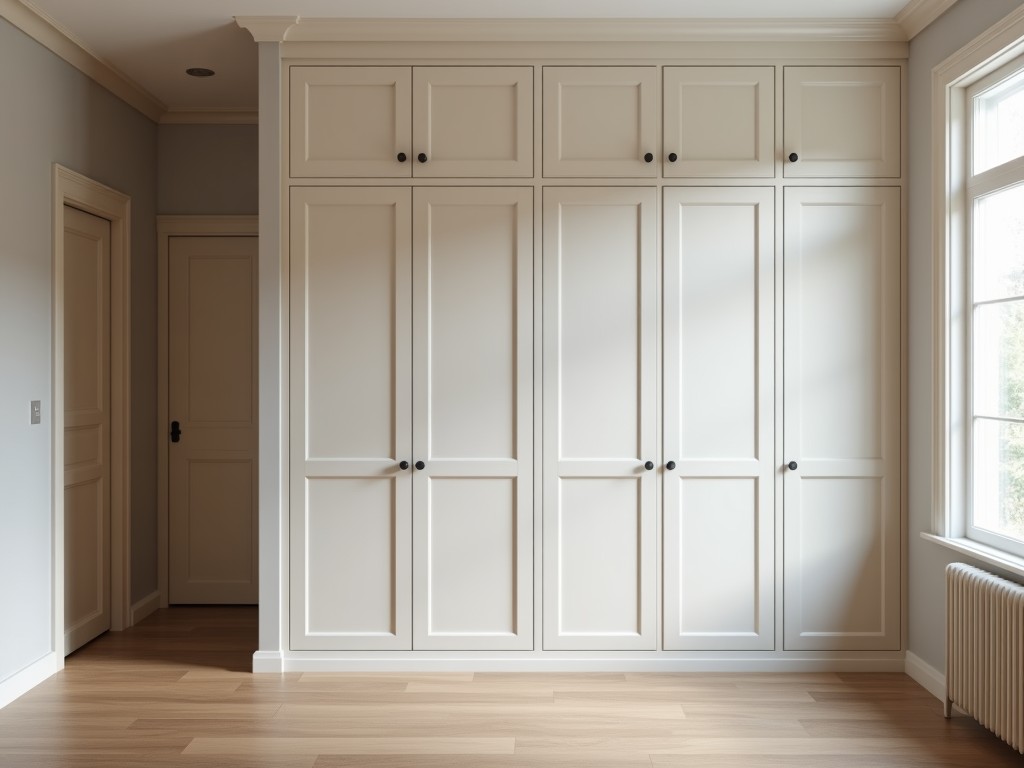
Tatami With Closet And Desk
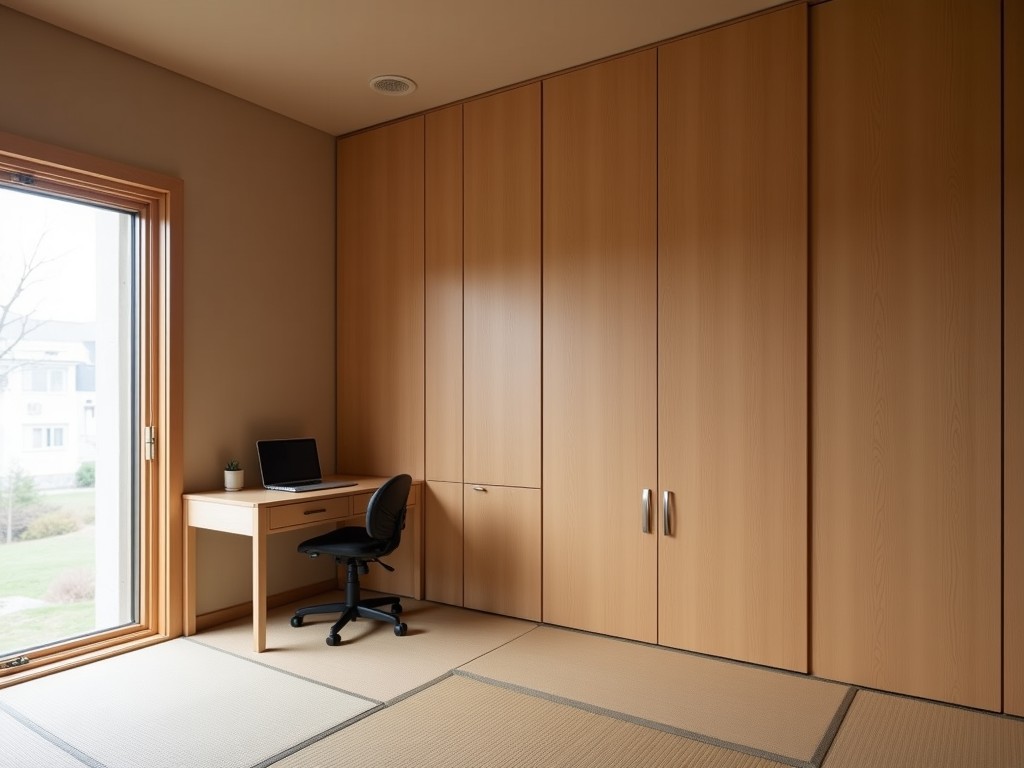
Tatami With Closet And Desk
This product combines traditional tatami flooring with built-in storage and workspace solutions, designed for industrial and commercial environments where space efficiency and material durability are
- Category:
- Walk In Closet
Tatami with Integrated Closet and Desk
This product combines traditional tatami flooring with built-in storage and workspace solutions, designed for industrial and commercial environments where space efficiency and material durability are critical. The system integrates a rigid tatami base, a compartmentalized closet unit, and a fixed-height desk surface into a single modular assembly.
Structural Design and Load Distribution
The tatami base consists of a compressed rice straw core (density 280–320 kg/m³) encapsulated in a woven igusa rush cover, mounted on a 12mm phenolic-faced plywood subframe. This subframe transfers vertical loads to the floor through four steel-reinforced nylon glides, each rated for 800 N static load. The closet and desk components are mechanically fastened to the subframe using M6 zinc-plated bolts with nylon washers to prevent compression set in the tatami layer.
The closet unit features 18mm melamine-faced particleboard shelves and doors, supported by 2mm cold-rolled steel brackets anchored to the subframe. The desk surface uses 25mm high-pressure laminate (HPL) over a 16mm MDF core, with a 3mm PVC edge band for impact resistance. All joints are reinforced with corner brackets and cam locks to maintain alignment under cyclic loading.
Material Performance and Environmental Resistance
The igusa rush cover meets JIS A 5905 standards for tensile strength (≥18 N/50mm) and abrasion resistance (≤0.08 mm loss after 1000 cycles). The phenolic subframe resists delamination under 85% RH and 40°C for 240 hours, with formaldehyde emissions below 0.3 mg/L (JIS A 1460). The HPL desk surface achieves a Taber abrasion index of ≤80 mg/1000 cycles (CS-10 wheel, 500g load) and resists staining from common industrial solvents (ISO 2812-1:2017).
Metal components use electrogalvanized steel (Zn coating 8–12 μm) with chromate passivation to withstand 120 hours neutral salt spray (ASTM B117) without red rust. Closet door hinges are 304 stainless steel, rated for 50,000 cycles at 25 Nm torque. All adhesives are Class D3 water-resistant PVAc, compliant with EN 204.
Modular Configuration and Customization Options
The system is available in three standard widths: 900 mm, 1200 mm, and 1500 mm, with a fixed depth of 600 mm and height of 400 mm (tatami base) + 200 mm (closet) + 750 mm (desk surface). Custom lengths are achievable in 50 mm increments by joining multiple base units with aluminum extrusion connectors, maintaining structural continuity.
Interior closet layout options include: single hanging rod (10 mm diameter steel), dual-tier shelving (adjustable in 25 mm increments), or a combination of drawers (16mm MDF, full-extension slides) and open shelves. Desk surface cutouts for cable management (Ø60 mm) or monitor arms (M10 thread) are available upon request. Finish options for non-tatami surfaces include: white, light gray, beech, and walnut melamine; or custom HPL colors with minimum order quantity of 5 units.
Installation and Floor Integration
Assembly requires no specialized tools—only a 5mm hex key and Phillips screwdriver. The unit is delivered in three flat-packed sections: tatami base with glides attached, closet frame with pre-installed shelves, and desk surface with edge banding. On-site alignment is facilitated by laser-etched reference marks on the subframe and adjustable leveling feet (±5 mm range) on the closet frame.
For raised access floors, optional steel angle brackets (L 50x50x5 mm) can be bolted to the tatami subframe and secured to floor pedestals using M8 screws. On concrete substrates, the unit may be anchored via two M10 expansion bolts through pre-drilled holes in the glide plates. No adhesives or wet trades are required for installation.
Quality Control and Testing Protocols
Each unit undergoes dimensional inspection (±1 mm tolerance on length/width, ±0.5 mm on height) and load testing (1500 N vertical force applied at desk center for 10 minutes, with residual deflection <0.5 mm). Closet doors are tested for sag (<1.5 mm over 400 mm width) and latch retention (minimum 20 N withdrawal force). Surface finishes are inspected for color consistency (ΔE < 2.0 under D65 lighting) and edge adhesion (no delamination after 24-hour water immersion).
Packaging includes corner protectors, edge foam, and 100% recyclable corrugated cardboard (flute C, 180 gsm outer liner). Units are stacked no higher than 1.2 m on pallets (1100x1100 mm) with stretch film securing. Each pallet includes a QR code linking to the installation manual, material safety data sheet (MSDS), and product traceability record.
| Parameter | Typical Value | Test Standard |
|---|---|---|
| Tatami base compressive strength | 0.35 MPa | JIS A 5905 |
| Desk surface impact resistance | No cracking at 1J impact | ISO 179 |
| Closet shelf deflection (250 N load) | <0.8 mm | Internal method |
| Formaldehyde emission (desk/core) | ≤0.05 mg/L | JIS A 1460 |
| Salt spray resistance (steel parts) | >120 hours (no red rust) | ASTM B117 |
Applications in Industrial and Commercial Settings
This system is commonly deployed in worker rest areas within manufacturing facilities, where tatami provides a culturally appropriate flooring option that reduces fatigue during seated breaks, while the integrated closet stores personal protective equipment (PPE) and the desk supports documentation or tablet-based task tracking. In modular office pods or cleanroom antechambers, the unit offers a compact solution for changing, storage, and brief administrative work without requiring separate furniture pieces.
In vocational training centers or dormitory-style accommodations for shift workers, the tatami-desktop combination supports both relaxation and light study or reporting tasks, with the closet securing personal items. The low profile (total height 1350 mm) allows installation under standard ceiling heights without obstructing sprinkler heads or HVAC diffusers, and the absence of legs minimizes dust accumulation zones in controlled environments.