Modular Closet Storage System Organizer
Modular Closet Storage System Organizer
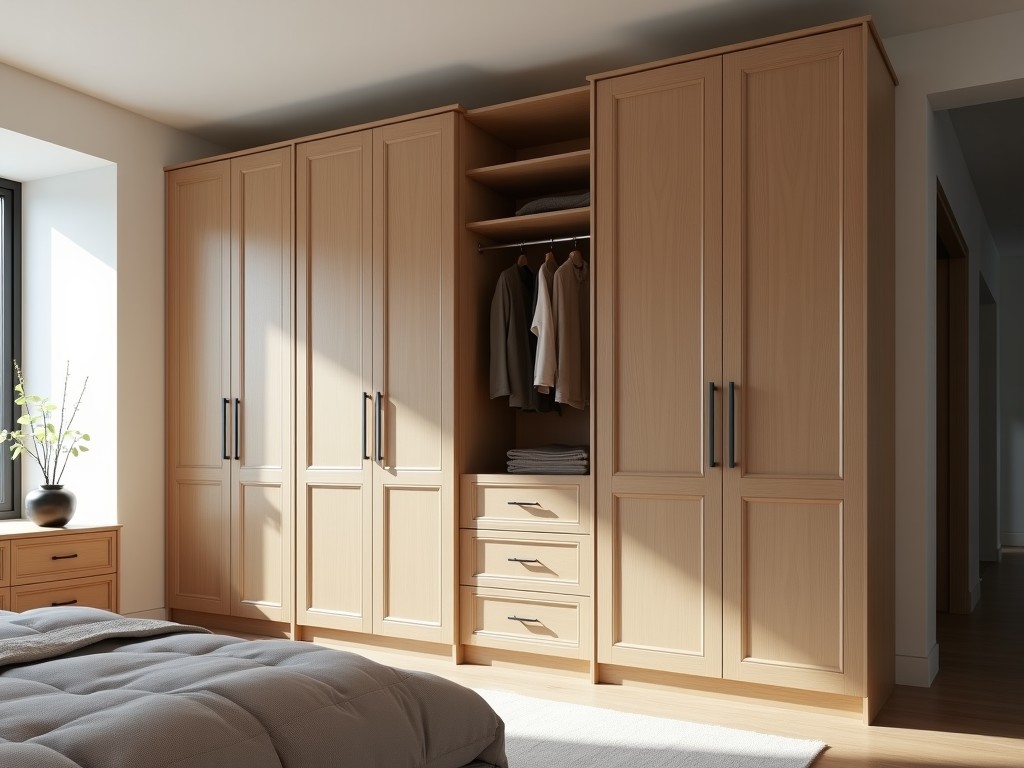
A modular closet storage system organizer consists of interlocking components designed to create adaptable interior configurations for wardrobes, closets, and storage rooms. Unlike fixed shelving,
- Category:
- Walk In Closet
Modular Closet Storage System Organizer
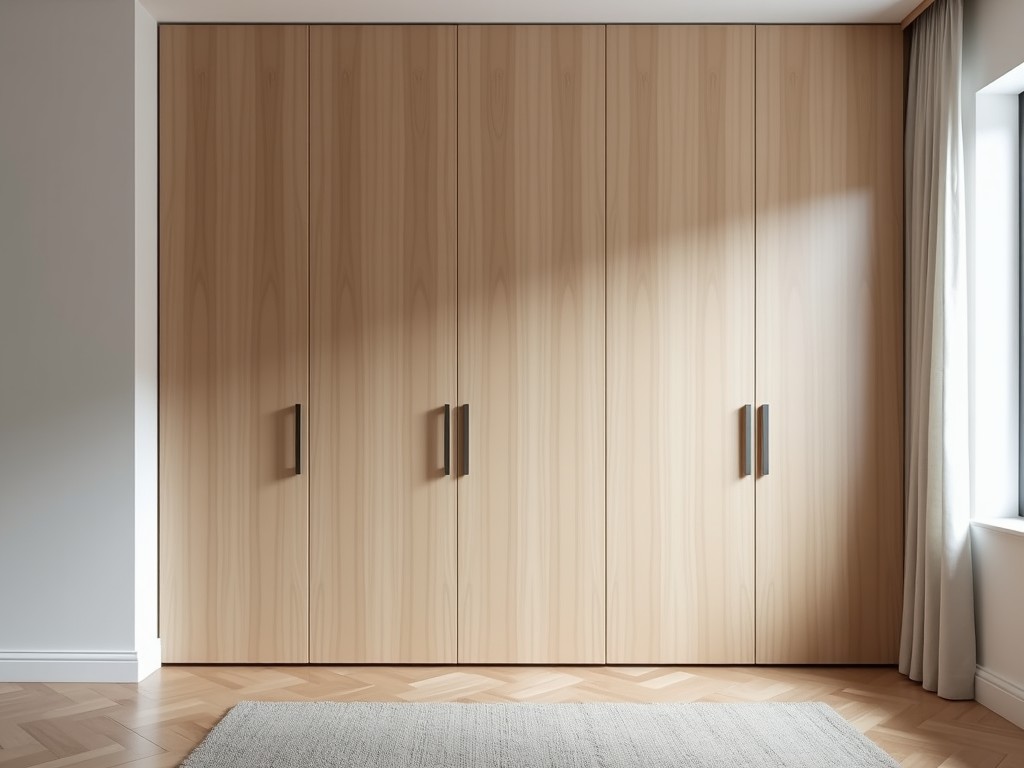
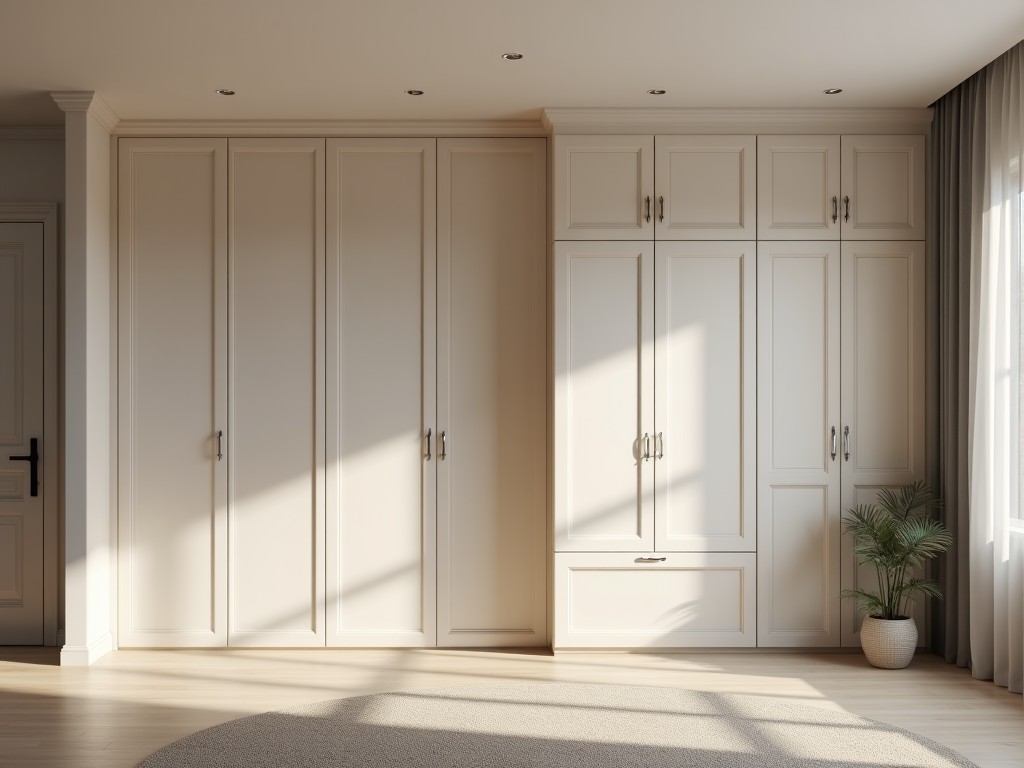
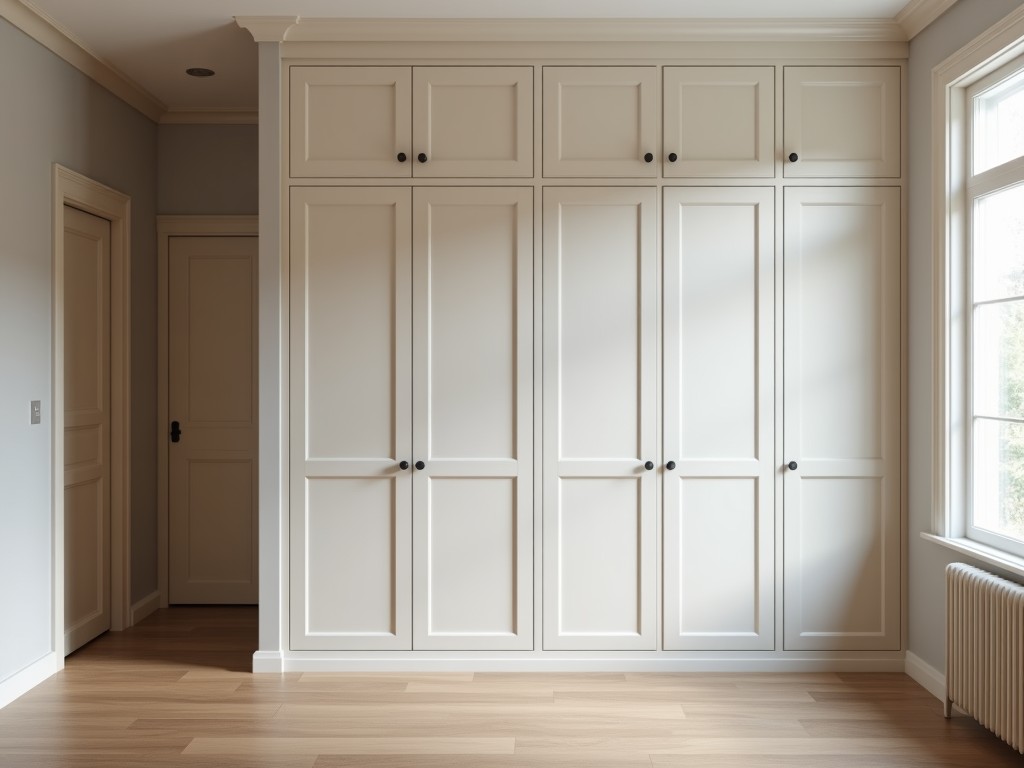
A modular closet storage system organizer consists of interlocking components designed to create adaptable interior configurations for wardrobes, closets, and storage rooms. Unlike fixed shelving, this system allows reconfiguration without tools or permanent installation, accommodating evolving storage needs in residential, commercial, and institutional environments. The core principle relies on standardized connection interfaces—such as cam locks, shelf pins, or rail-and-bracket mechanisms—that enable secure assembly while maintaining dimensional tolerance within ±0.5 mm across load-bearing joints.
Structural Design and Load Distribution
Vertical uprights are typically extruded aluminum or cold-rolled steel with a minimum thickness of 1.2 mm, featuring perforated slots at 25 mm intervals for adjustable shelf and hanging rod attachment. Horizontal shelves and dividers are constructed from 18 mm melamine-faced particleboard or 6 mm tempered glass, supported by steel brackets rated for 40 kg uniform distributed load per shelf. The system transfers vertical loads directly to the floor via leveling feet with 100 mm diameter bases, eliminating reliance on wall anchorage for primary stability—critical in seismic zones or rented spaces where wall modification is restricted.
Material Selection and Environmental Resistance
Frame components use AA6063-T5 aluminum alloy with anodic oxide coating (15 μm thickness) or galvanized steel (Z275 coating) to resist corrosion in humidity-controlled environments up to 80% RH. Shelf surfaces employ Class E1 melamine formaldehyde resin with abrasion resistance exceeding 150 cycles (Taber Test, CS-10 wheel, 500 g load) and edge sealing via 0.5 mm PVC banding to prevent moisture ingress. For high-moisture areas like laundry closets, optional marine-grade plywood shelves with phenol-formaldehyde bonding are available, tested to withstand 24-hour submersion without delamination.
Customization Logic and Dimensional Flexibility
Module widths increment in 50 mm steps (300 mm, 350 mm, 400 mm, etc.) to align with standard garment hanging requirements—400 mm minimum for folded items, 500 mm for suits, 600 mm for coats. Depth options range from 400 mm (shallow linen storage) to 600 mm (deep shoe or bulk storage), with intermediate 50 mm increments. Height is configured in 100 mm vertical modules, allowing precise alignment with ceiling height or existing obstructions. Each connection point includes a ±2 mm adjustment tolerance to compensate for floor unevenness, ensuring plumb installation without shimming.
Typical Configuration Examples
| Configuration Type | Typical Use Case | Key Dimensions (WxDxH) | Load Capacity per Module |
|---|---|---|---|
| Single-Hang Wardrobe | Shirts, blouses, lightweight jackets | 500x500x2000 mm | 25 kg (hanging rod) |
| Double-Hang + Shelf | Pants, skirts, folded sweaters | 600x500x2200 mm | 30 kg (rod), 40 kg (shelf) |
| Shoe Storage Tower | Footwear organization (12-18 pairs) | 400x400x2000 mm | 15 kg per shelf (5 shelves) |
| Linen & Bulk Storage | Blankets, seasonal items, luggage | 800x600x1800 mm | 60 kg per shelf (reinforced) |
Installation and Reconfiguration Process
Assembly begins with securing floor tracks or leveling feet to the substrate using M8 anchor bolts (for concrete) or toggle bolts (for hollow walls), followed by snapping vertical uprights into place via spring-loaded cam connectors. Shelves and rods insert into pre-aligned slots and are secured by rotating cam locks 90°, generating 800 N clamping force without tools. Reconfiguration requires reversing the cam lock rotation—typically 15 seconds per shelf—allowing layout changes in under 30 minutes for a standard 2-meter-wide closet. No drilling, gluing, or permanent fasteners are needed during reuse cycles.
Quality Control and Manufacturing Tolerances
Critical dimensions are verified using coordinate measuring machines (CMM) with 0.01 mm resolution: upright slot spacing tolerance ±0.15 mm, shelf pin hole diameter ±0.08 mm, and cam lock engagement depth ±0.2 mm. Surface finish adhesion is tested via cross-hatch ASTM D3359 Method B, requiring minimum 4B rating (90% coating retention). Each production batch undergoes 100% functional testing of load-bearing joints at 125% rated capacity for 24 hours, with permanent set limited to 0.3 mm deflection. Random samples undergo 5,000-cycle insertion/removal tests to validate long-term connection integrity.