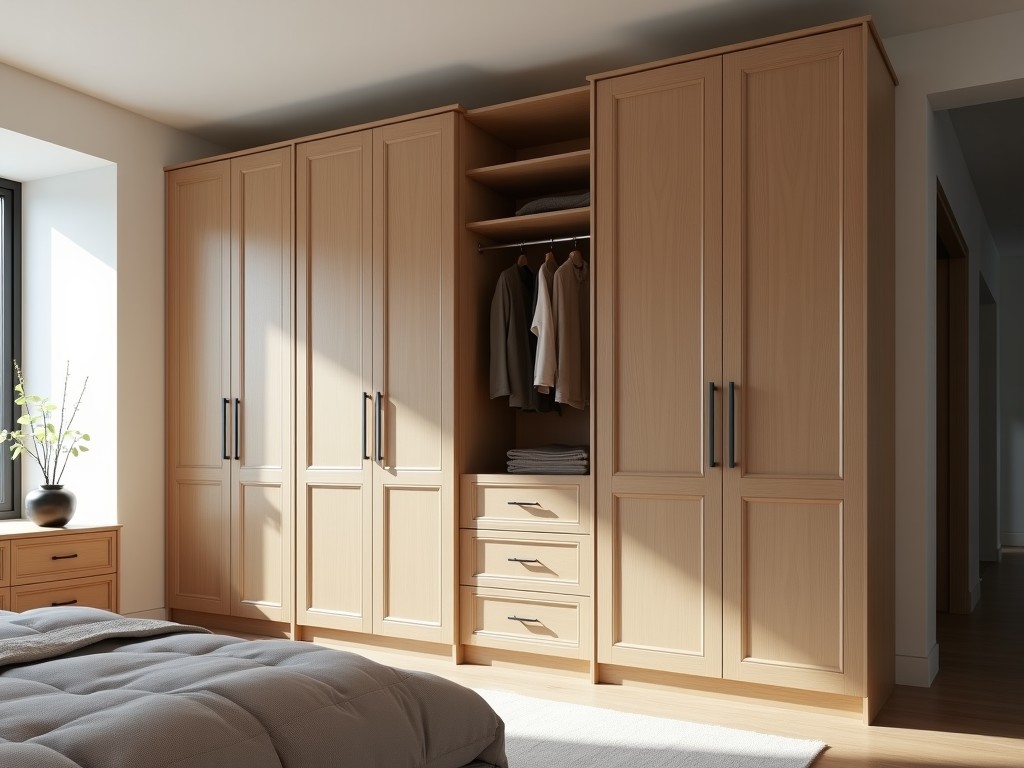
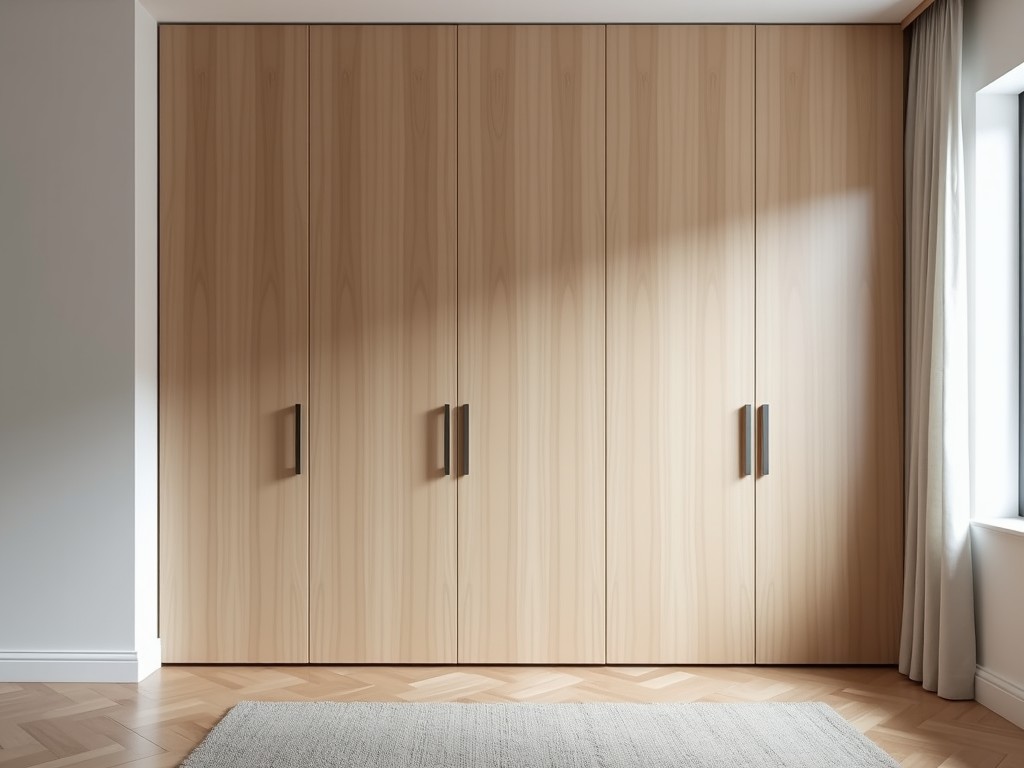
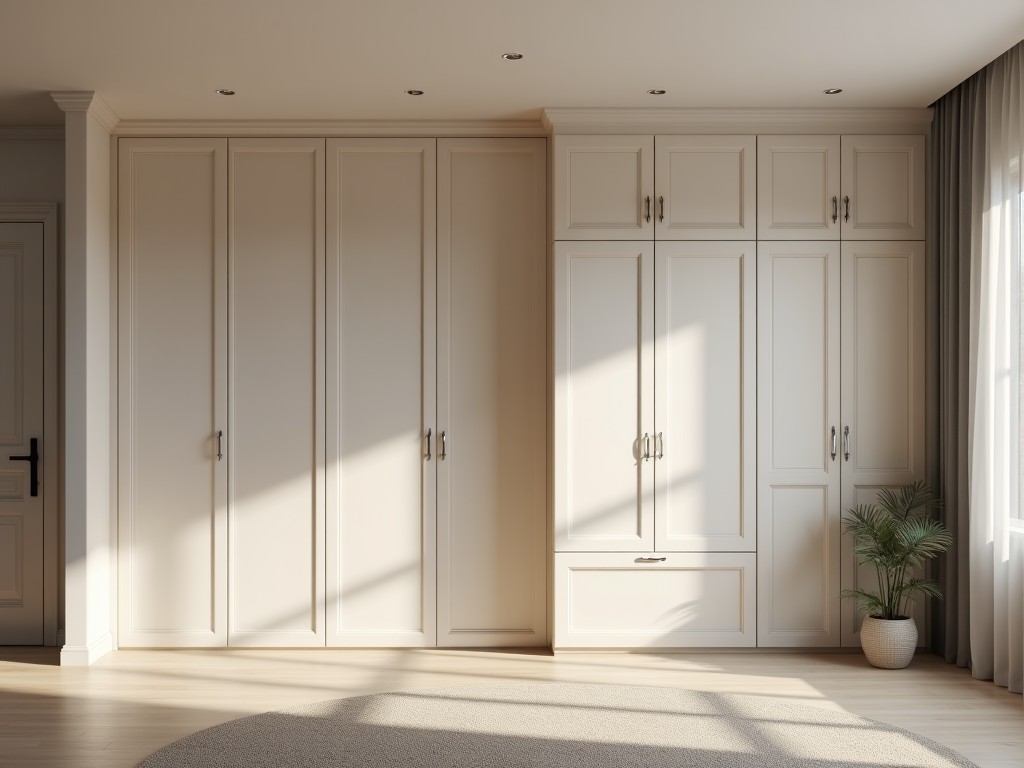
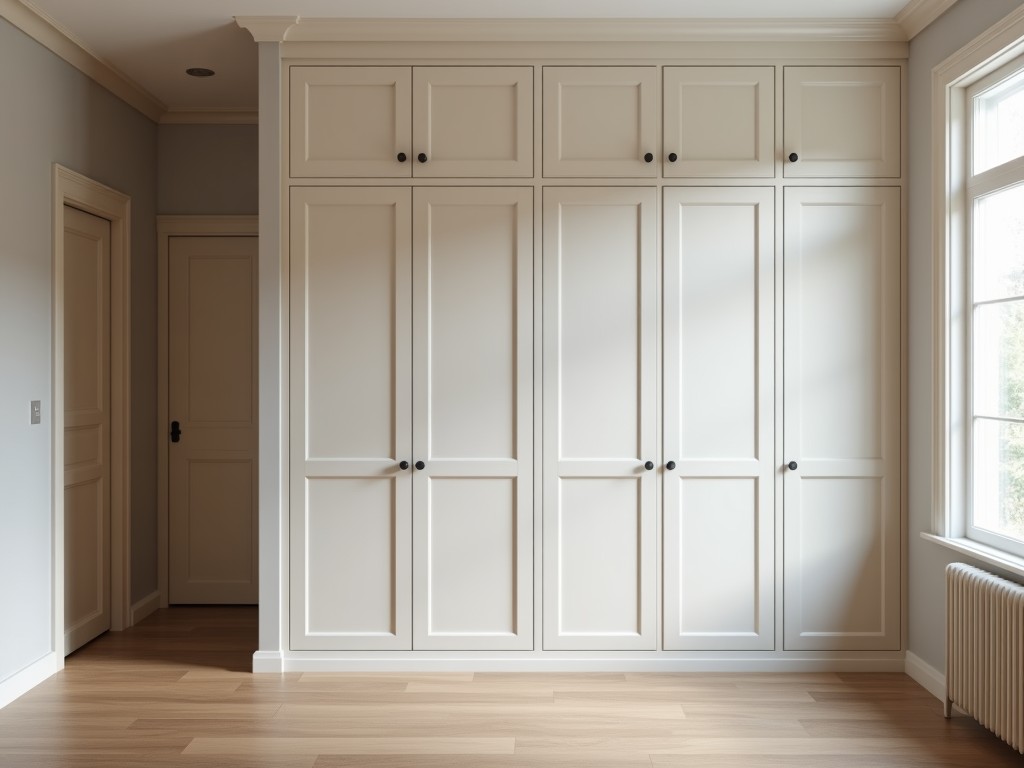
High End Custom Dressing Room
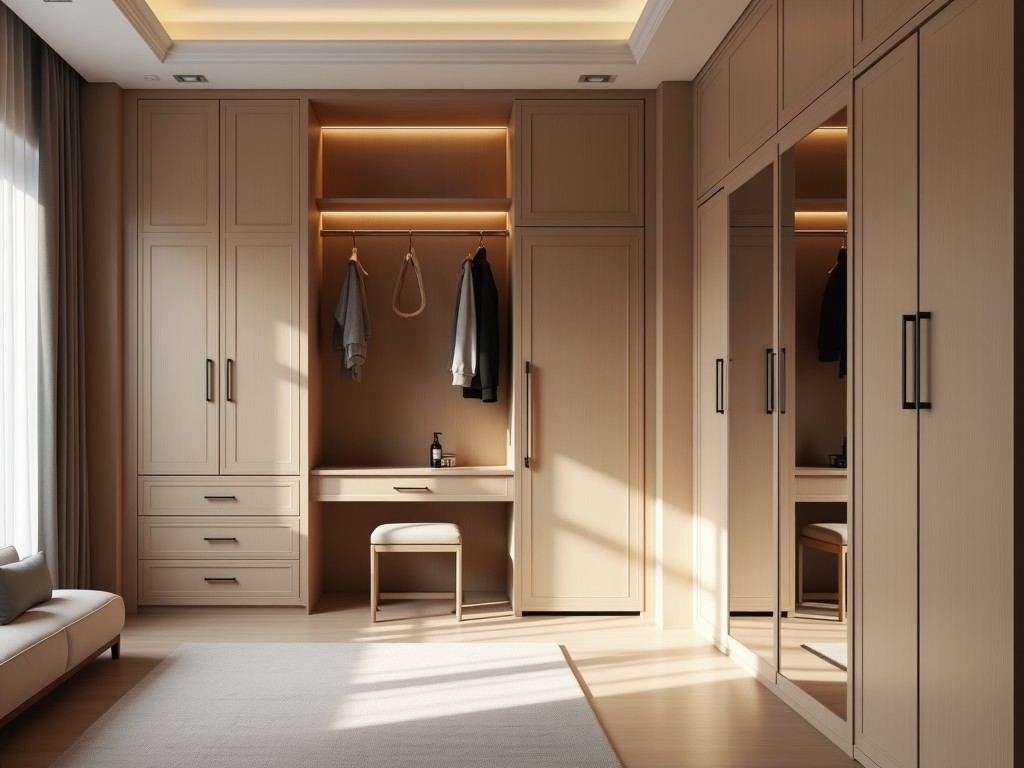
High End Custom Dressing Room
A custom dressing room is not merely storage; it is an engineered spatial solution that integrates ergonomics, material durability, and operational workflow to support specific user needs in
- Category:
- Walk In Closet
High End Custom Dressing Room Systems
A custom dressing room is not merely storage; it is an engineered spatial solution that integrates ergonomics, material durability, and operational workflow to support specific user needs in commercial, institutional, or luxury residential environments. This page explains the technical considerations, design variables, and manufacturing processes that define a high-end custom dressing room system suitable for demanding applications.
Core Design Parameters
The foundation of any custom dressing room lies in defining precise spatial constraints and functional requirements. Key parameters include clear opening dimensions, load-bearing capacity for hanging garments, accessibility compliance (e.g., ADA where applicable), and environmental factors such as humidity tolerance in spa or pool-adjacent installations. These inputs directly influence structural framing, panel thickness, and hardware selection.
Material Selection Criteria
Material choice affects longevity, maintenance, and aesthetic stability. Common substrates include:
- Marine-grade plywood (BS 1088) with formaldehyde-free core for humid environments
- High-density fiberboard (HDF) with melamine finish for scratch resistance in high-traffic areas
- Aluminum extrusions (6063-T5) for frameless glass or mesh panel systems requiring corrosion resistance
- Solid surface composites (e.g., acrylic-based) for seamless benchtops with integrated sinks
Each material is evaluated based on moisture absorption rate (<5% for wet zones), surface hardness (measured via pencil test), and off-gassing levels (TVOC <0.5 mg/m³).
Structural and Hardware Integration
Load distribution is critical. Wall-mounted systems require stud anchoring with shear-rated fasteners (minimum 8mm diameter, Grade 8.8) spaced no more than 400mm apart. For floor-supported units, base frames use 50x50mm steel tubes with powder-coated finish (min. 80μm thickness) to prevent corrosion. Drawer systems employ full-extension ball-bearing slides rated for 40kg dynamic load, with soft-close dampers rated for 50,000 cycles.
Hardware finishes are selected based on environmental exposure: PVD-coated zinc alloy for high-humidity zones, or brushed stainless steel (304 grade) for coastal or industrial settings.
Customization Logic and Workflow
Customization begins with a detailed brief that includes:
- User capacity and garment type distribution (e.g., 70% hanging, 30% folded)
- Access patterns (peak usage times, simultaneous users)
- Integration with adjacent systems (lighting, HVAC, access control)
- Finish requirements (color matching to architectural samples, NCS or RAL references)
This data drives CAD modeling with collision detection and ergonomic reach analysis (based on ANSI/HFES 100-2007 standards). Adjustable shelving increments are typically 32mm to accommodate varying garment thicknesses without compromising structural integrity.
Quality Control and Validation
Production includes intermediate inspections at CNC cutting, edge banding, and assembly stages. Final validation involves:
- Load testing of hanging rods to 1.5x rated capacity (e.g., 225kg for a 150kg rating)
- Cycle testing of doors and drawers (20,000 operations)
- Surface adhesion testing (cross-hatch per ASTM D3359)
- Dimensional verification (±2mm tolerance on critical interfaces)
Documentation includes material safety data sheets (MSDS), finish warranty terms, and maintenance guidelines specific to the selected substrates.
Typical Applications and Environmental Fit
These systems are engineered for environments where failure carries operational or reputational risk:
- Five-star hotel suites: where frequent use demands scratch-resistant finishes and quiet operation
- Executive corporate facilities: requiring integrated secure storage (e.g., RFID-enabled lockers)
- High-end residential spas: necessitating materials resistant to chlorine vapor and constant humidity
- Medical changing areas: needing non-porous surfaces cleanable with hospital-grade disinfectants
In each case, the dressing room is treated as a fixed asset with a 10+ year service life, designed for minimal lifecycle cost through replaceable wear components (e.g., drawer slides, hinges).
Comparison: Standard vs. High-End Custom Systems
| Parameter | Standard System | High-End Custom System |
|---|---|---|
| Wall anchoring | Plug-and-screw into drywall | Direct stud fastening with load-rated brackets |
| Shelf adjustability | Fixed positions or 64mm increments | 32mm increments with anti-tip pins |
| Drawer load rating | 20kg dynamic | 40kg dynamic with soft-close |
| Finish warranty | 1 year (surface only) | 5 years (substrate + finish) |
| Lead time | 2–3 weeks (stock) | 6–8 weeks (post-design freeze) |
Design for Maintenance and Upgrades
Long-term value is enhanced through serviceability. Key features include:
- Modular panels allowing individual replacement without dismantling adjacent units
- Concealed wiring channels for integrated lighting or power outlets
- Accessible hardware (e.g., hinges, slides) via removable cover strips
- Standardized hole patterns (32mm system) enabling future reconfiguration
This approach reduces downtime during refurbishment and supports adaptive reuse as user needs evolve.