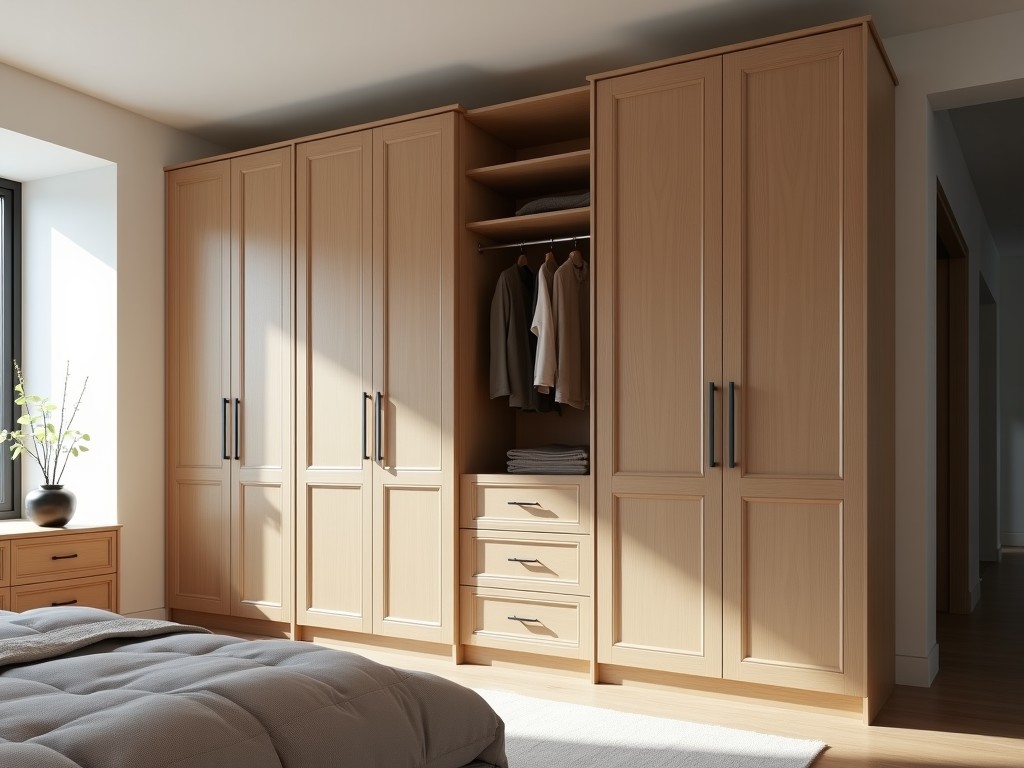
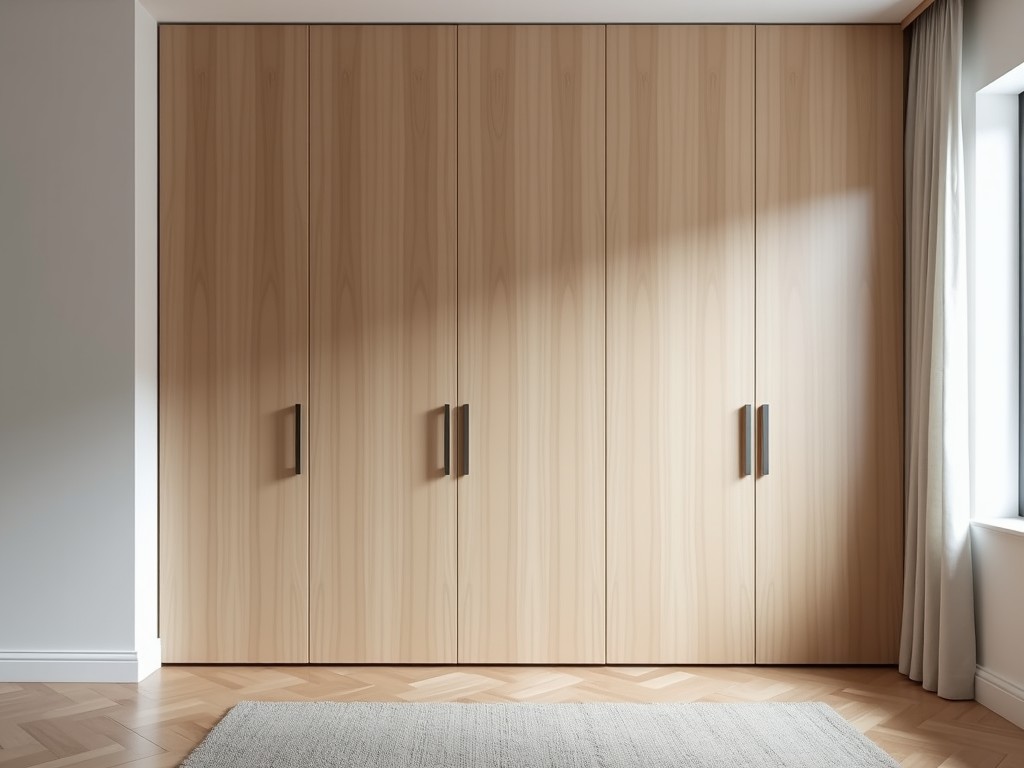
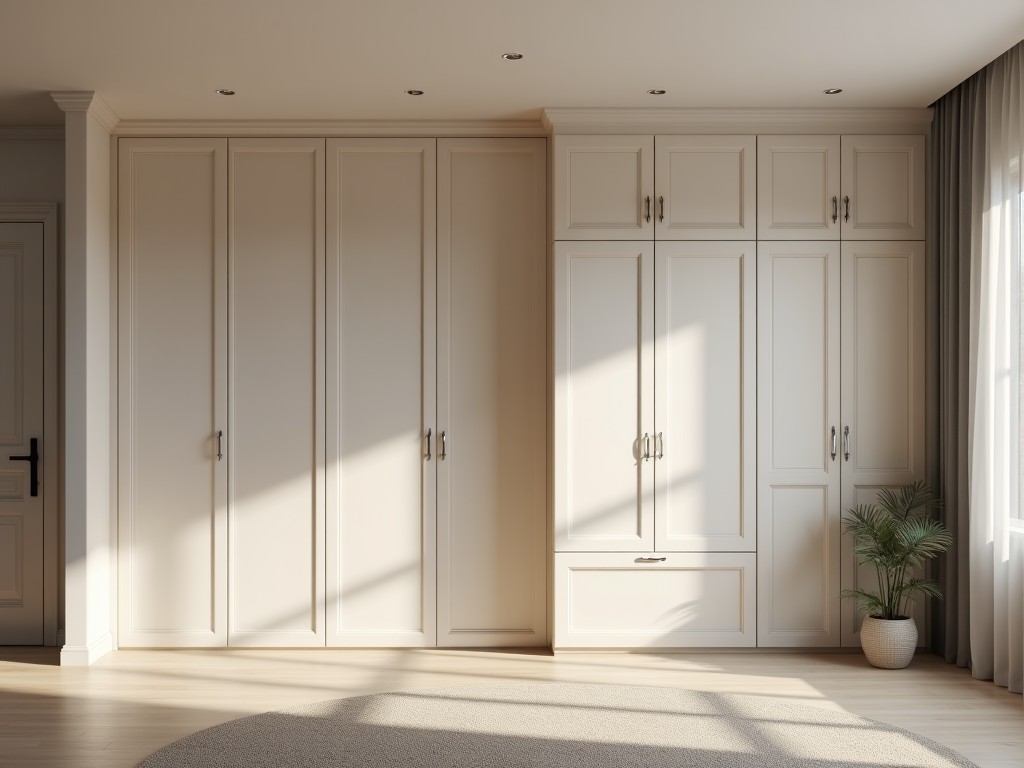
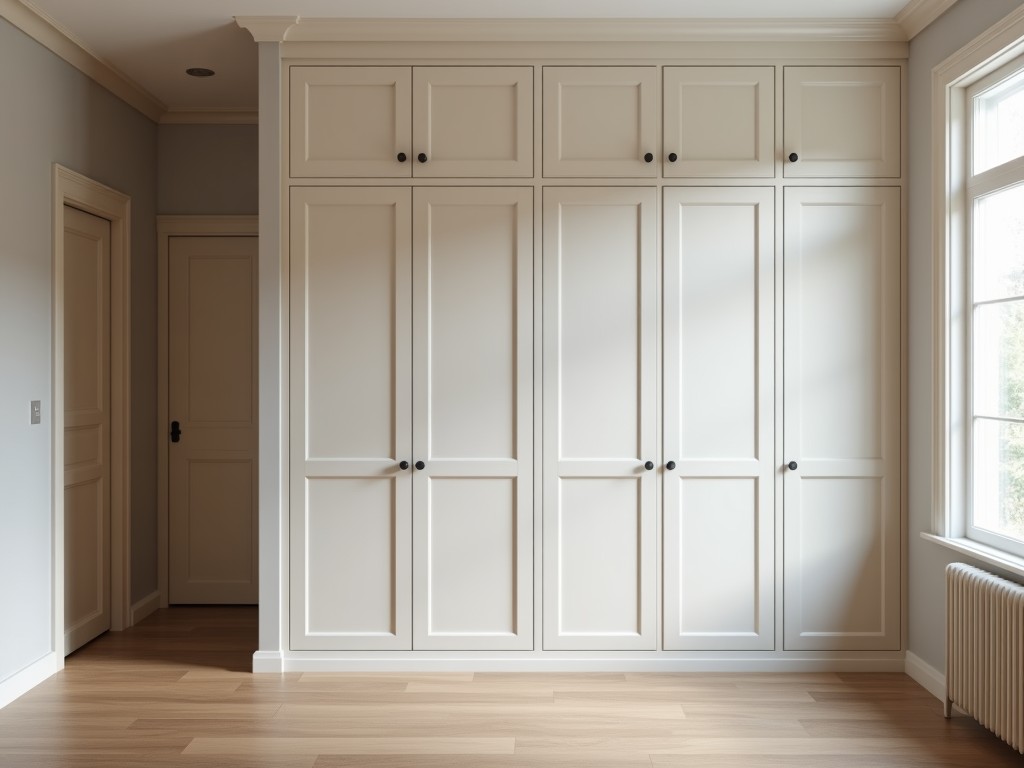
Wall Media Display Unit Cabinet
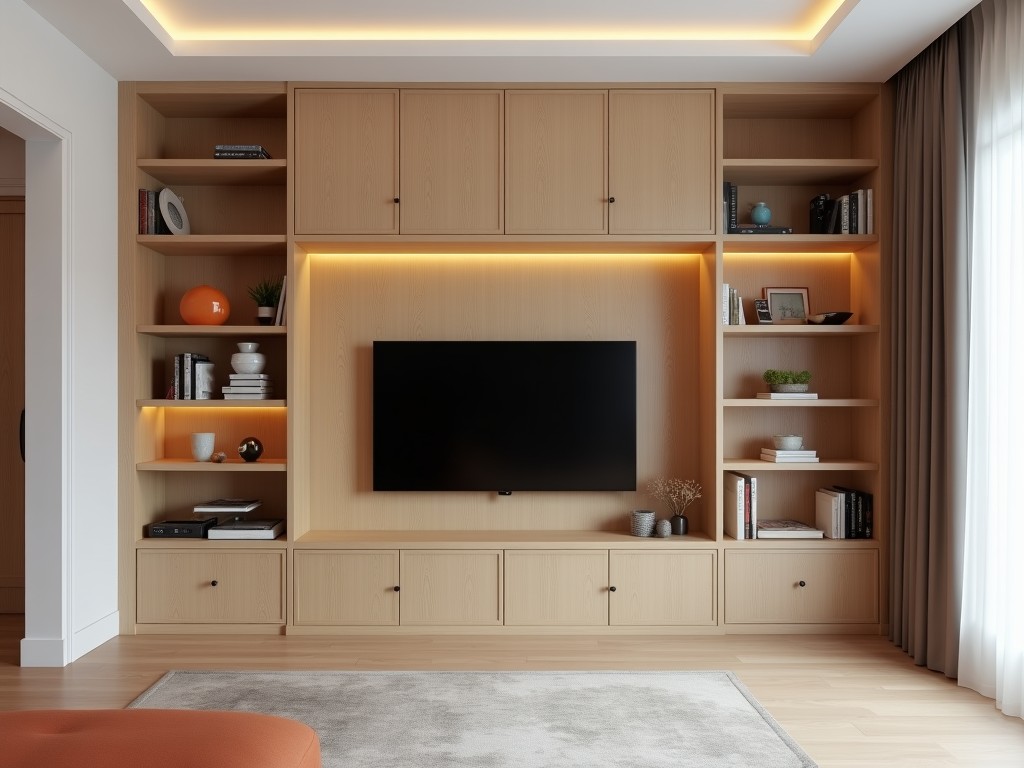
Wall Media Display Unit Cabinet
A wall media display unit cabinet is a purpose-built enclosure designed to securely house audiovisual equipment, control systems, and connectivity hardware while providing unobstructed viewing of
- Category:
- TV Cabinet
Wall Media Display Unit Cabinet
A wall media display unit cabinet is a purpose-built enclosure designed to securely house audiovisual equipment, control systems, and connectivity hardware while providing unobstructed viewing of mounted displays. Unlike general-purpose wall cabinets, these units integrate structural reinforcement, thermal management, and cable routing systems specifically engineered for the weight, heat output, and service access demands of modern display technologies including LCD, LED, and OLED panels ranging from 32" to 98" diagonal.
The primary function extends beyond passive storage; it actively contributes to system reliability by maintaining optimal operating temperatures through passive convection designs or active fan configurations, minimizes electromagnetic interference via shielded compartments, and enables rapid technician access via tool-less front panels or swing-out mechanisms. These cabinets are specified in environments where display uptime is critical—such as command centers, broadcast studios, retail signage networks, and corporate collaboration spaces—where failure consequences include operational disruption, safety hazards, or significant financial loss.
Material selection and construction methodology directly influence long-term performance. Common substrates include 1.2mm–2.0mm cold-rolled steel for structural frames, 6mm tempered glass or polycarbonate for viewing doors, and aluminum extrusions for heat sink integration. Surface treatments range from powder-coated finishes (RAL 9005 black or 9006 white) for corrosion resistance to brushed stainless steel (304 grade) for hygienic or high-humidity environments. Internal layouts are modular, allowing reconfiguration of rack units (typically 19" EIA standard) to accommodate varying depths of media players, matrix switchers, audio amplifiers, and power distribution units.
Key Engineering Characteristics
Load capacity is a fundamental specification, determined by the cabinet’s mounting system and frame geometry. Units are rated for static loads ranging from 150 kg to over 500 kg, depending on wall substrate (concrete, steel stud, or wood framing) and fastening method (chemical anchors, through-bolts, or lag screws into structural members). Dynamic load considerations—such as vibration from nearby machinery or seismic activity in certain zones—require additional bracing or isolation mounts, which are evaluated per project specifications rather than assumed standard.
Thermal performance is quantified through calculated temperature rise (ΔT) inside the enclosure relative to ambient conditions. Passive designs typically achieve ΔT of 10–15°C for equipment dissipating up to 300W; active cooling (low-noise 80mm or 120mm DC fans) extends this to 400W+ with ΔT maintained below 20°C. Internal temperature sensors and fan speed controls are optional integrations, allowing real-time monitoring via building management systems (BMS) or standalone controllers. Airflow paths are designed to avoid recirculation, with intake vents positioned low and exhaust high to leverage natural convection.
Cable management systems are not afterthoughts but integrated design elements. Rear access panels feature brushed nylon grommets or segmented cable trays with strain relief clamps to prevent connector stress. Internal cable ducts maintain separation between power (AC) and signal (HDMI, SDI, Ethernet) bundles to reduce crosstalk, adhering to IEC 61000-4-3 guidelines for electromagnetic compatibility. Front-accessible service loops allow technicians to pull slack for board replacement without dismantling adjacent equipment, a critical factor in mean time to repair (MTTR) metrics.
Typical Applications and Environmental Suitability
In broadcast and post-production facilities, these cabinets house video servers, routing switchers, and monitoring displays within climate-controlled edit suites. The requirement here is not only thermal stability but also minimal acoustic noise—fan speeds are selected to stay below 35 dBA at operator positions, and internal damping materials reduce panel resonance. Door seals are often IP54 rated to prevent dust ingress that could contaminate optical paths in projector-based systems or settle on sensitive sensor arrays in camera control units.
Retail environments demand different priorities: vandal resistance, ease of content updates, and aesthetic integration with interior design. Cabinets in this sector frequently use laminated glass doors with anti-reflective coatings and tamper-proof Torx security screws. Ventilation is often passive, relying on natural convection since display loads are typically under 200W, but units are designed for frequent front access—swing-out frames or slide-out trays allow staff to replace media players or update firmware without tools or specialized training. Mounting height is adjustable to accommodate varying sightlines in open-plan spaces.
Industrial control rooms present the most stringent conditions: exposure to airborne particulates, temperature fluctuations, and potential chemical splashes. Here, cabinets are specified with NEMA 4 or IP66 ratings, using gasketed doors and pressurized interiors (with optional purge systems) to maintain positive internal pressure. Internal components are conformal-coated, and all fasteners are stainless steel to prevent corrosion. Mounting is reinforced with steel backplates distributed across multiple studs to handle both static weight and dynamic loads from forklift vibrations or nearby presses. Access is often restricted to keyed or badge-activated locks, with audit-logging capabilities integrated into higher-end models.
Customization Options and Configuration Logic
Standard configurations are rarely sufficient for industrial projects; customization addresses specific integration challenges. Depth adjustment is common—rear mounting rails can be repositioned in 25mm increments to accommodate equipment ranging from slim media players (50mm deep) to full-depth rack units (up to 400mm). Height is modular in 50mm steps, allowing precise alignment with display VESA patterns and sightline requirements. Width is typically fixed to standard panel sizes but can be extended with side wings for additional rack space or landing zones for temporary equipment placement during maintenance.
Door styles are selected based on access frequency and environmental needs. Full-height tempered glass doors provide maximum visibility for monitoring applications but require more frequent cleaning. Split doors (upper/lower) allow independent access to equipment zones—useful when displays are mounted above and AV gear below. Solid doors with perforated panels or louvers are chosen for high-heat environments where visual access is secondary to airflow. All door types can be fitted with gas struts for assisted opening and magnetic catches for secure closure.
Internal accessories are configured per equipment list. Rack rails (19" EIA) are standard, but alternatives include 23" telco rails or L-brackets for non-rack-mounted devices. Power distribution units (PDUs) are mounted vertically or horizontally, with options for surge protection, individual circuit breakers, or remote monitoring. Shelving is adjustable in 25mm increments and can be solid (for heavy units) or perforated (for airflow). Lighting options include LED strips with motion sensors or manual switches, typically 4000K color temperature for neutral color rendering during inspections.
| Parameter | Typical Range | Customization Notes |
|---|---|---|
| External Dimensions (H×W×D) | 600–2000mm × 600–1200mm × 200–500mm | Adjustable in 50mm increments; wall-mount or floor-standing bases available |
| Load Capacity (Static) | 150–500+ kg | Dependent on wall substrate and fastening system; engineering review required for >350kg |
| Thermal Dissipation Capacity | 200–600W (passive/active) | Fan size, voltage (12V/24V DC), and speed control configurable; temperature monitoring optional |
| Ingress Protection (IP Rating) | IP20–IP66 | Determined by door seals, gasket material, and conduit fittings; higher ratings require pressurized or sealed designs |
| Surface Finish | Powder coat (RAL 9005/9006), brushed SS 304, laminate | Custom colors available; antimicrobial coatings for healthcare; UV-stable for outdoor indirect exposure |
| Door Mechanism | Fixed, swing-out, slide-out, lift-off | Gas struts, soft-close, keyed locks, or electronic access control available |
Quality Assurance and Manufacturing Considerations
Dimensional accuracy is critical for wall-mounted units; even 2mm misalignment can cause stress on the display mount or prevent door closure. Manufacturing uses CNC punching and laser cutting for panel fabrication, with tolerances held to ±0.5mm on hole patterns and ±1.0mm on overall dimensions. Welding (where used) follows ISO 9606 standards, with magnetic particle inspection on load-bearing joints. Powder coating thickness is measured via magnetic induction, targeting 60–80μm for adequate corrosion resistance without interfering with grounding paths.
Load testing is performed on sample units using calibrated weights applied at multiple points to simulate real-world load distribution. Deflection is measured with dial indicators; acceptable limits are typically L/200 (where L is span) for door frames and L/150 for mounting brackets. Thermal validation involves running representative equipment loads inside the cabinet while recording internal temperatures at multiple sensor points—data is used to verify fan curves or vent sizing. All units undergo functional checks: door operation, lock engagement, grounding continuity, and ingress protection verification via spray or dust chamber tests where applicable.
Documentation accompanies each shipment, including material certificates (steel grade, coating type), test reports (load, IP, finish adhesion), and installation manuals with specific fastening torque values for different wall types. For projects requiring regulatory compliance, documentation packages can be tailored to meet UL, CE, or FCC requirements—though the cabinet itself is a mechanical enclosure, its role in housing electronic equipment means it contributes to overall system certification. Traceability is maintained via laser-etched serial numbers on internal frames, linking each unit to its production batch and test records.
Proper specification of a wall media display unit cabinet requires collaboration between AV integrators, facility engineers, and the manufacturer early in the design phase. Providing detailed equipment lists, thermal loads, wall construction details, and environmental conditions enables accurate configuration of structural, thermal, and access features. This upfront alignment reduces the risk of field modifications, ensures long-term reliability, and supports predictable maintenance schedules.
For project-specific inquiries, including custom dimension requests, material alternatives, or integration with existing control systems, contact our technical team. We provide detailed configuration drawings, load calculations, and thermal simulations based on your submitted specifications to ensure the final unit meets both functional and environmental demands of your installation.