Tv Unit Full Wall Cabinet Manufacturer
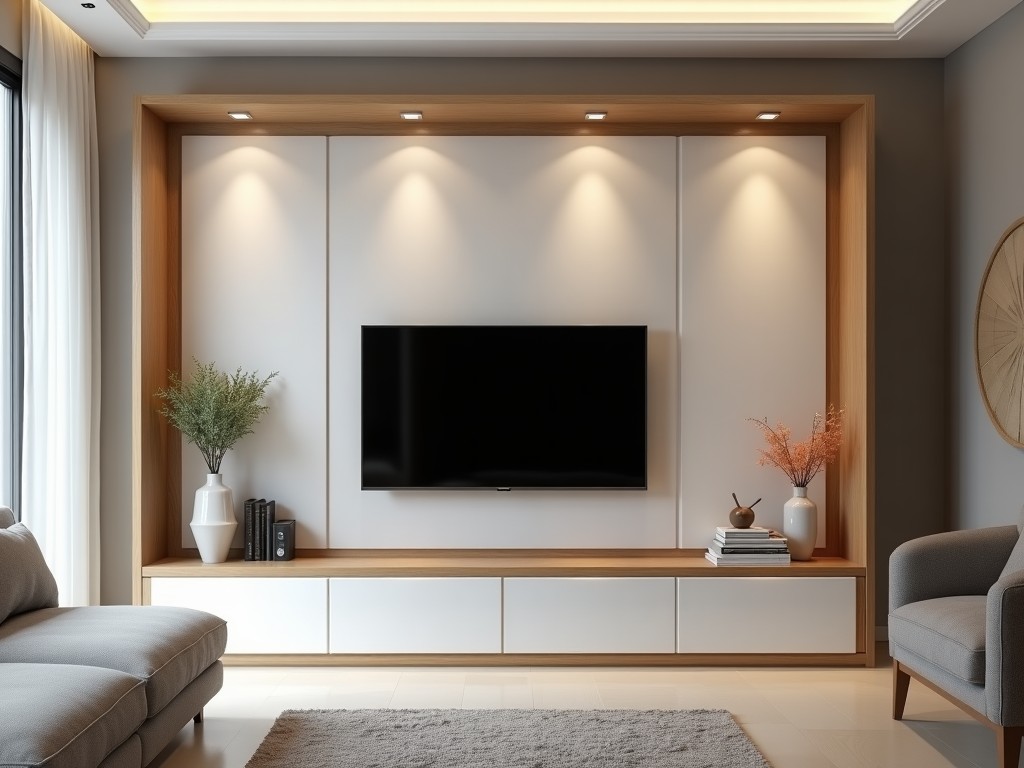
Tv Unit Full Wall Cabinet Manufacturer
A full wall TV cabinet integrates storage, display, and structural support into a single vertical system designed to span an entire wall. Unlike freestanding units, it transfers load directly to the
- Category:
- TV Cabinet
TV Unit Full Wall Cabinet Manufacturer
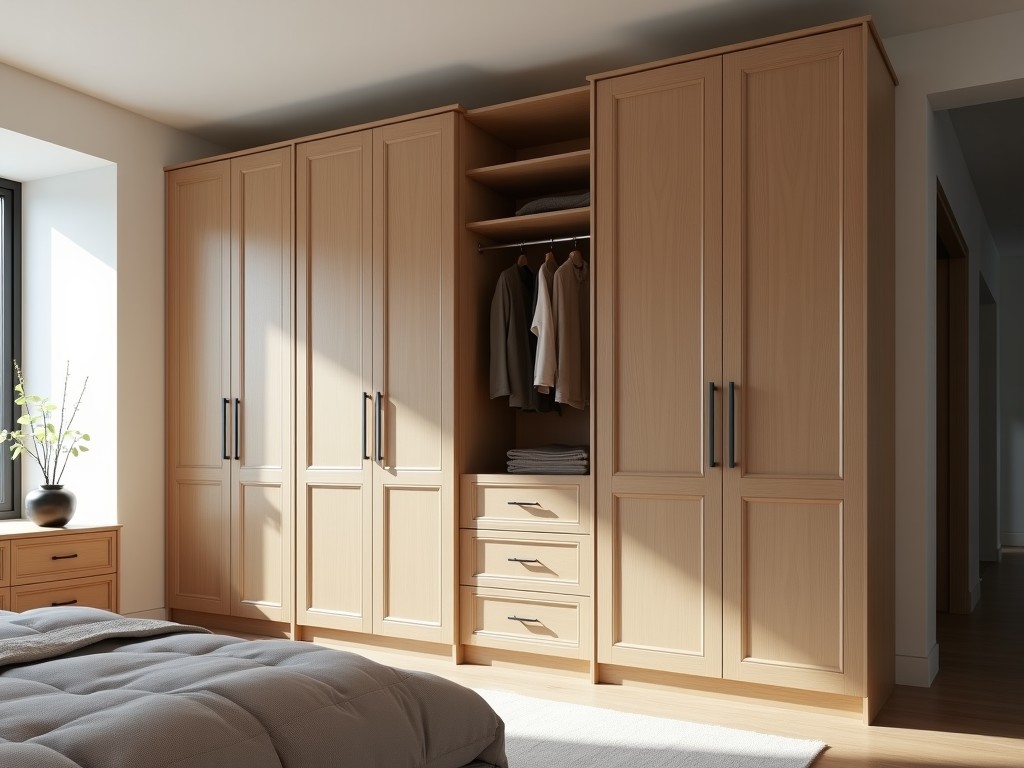
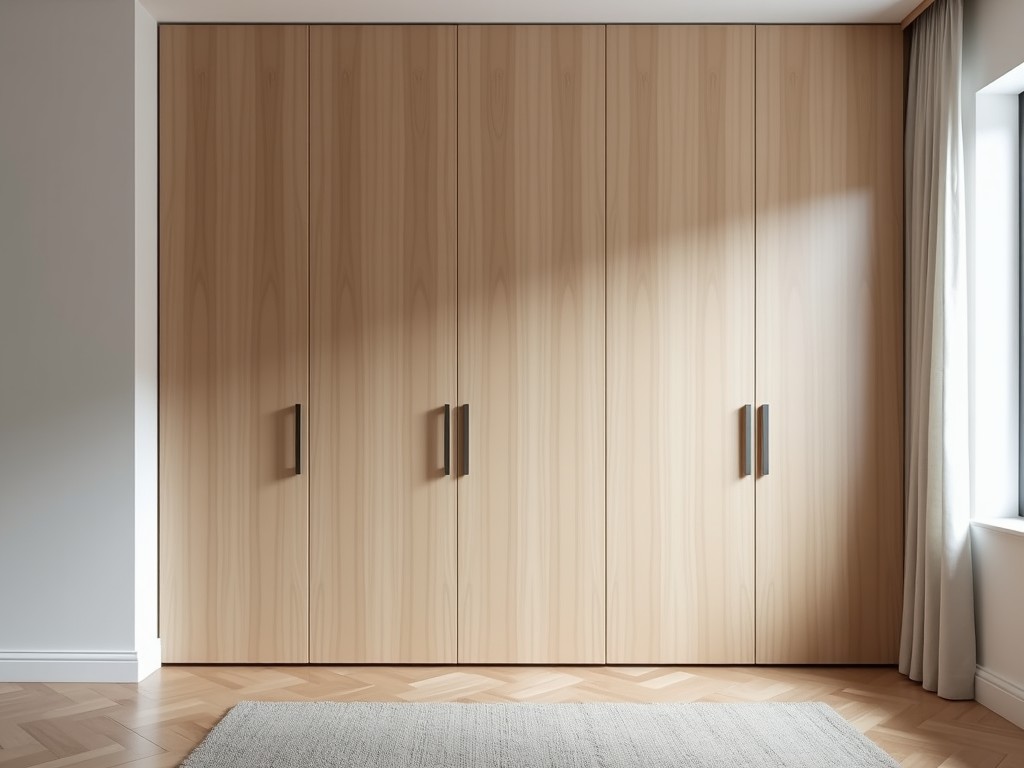
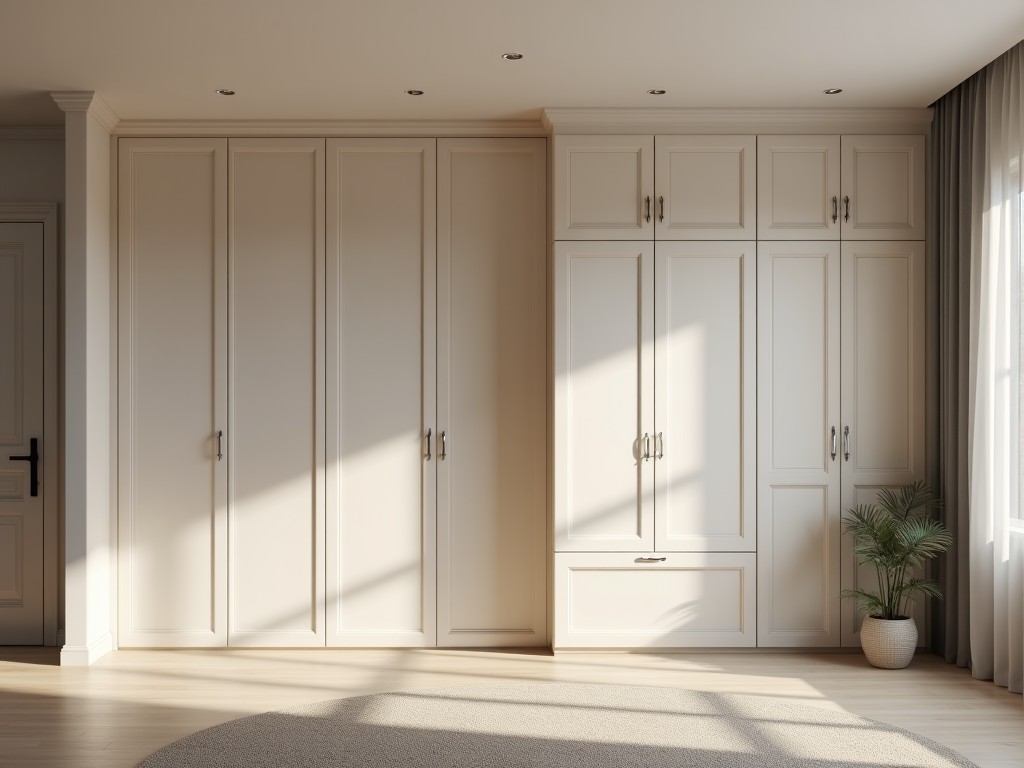
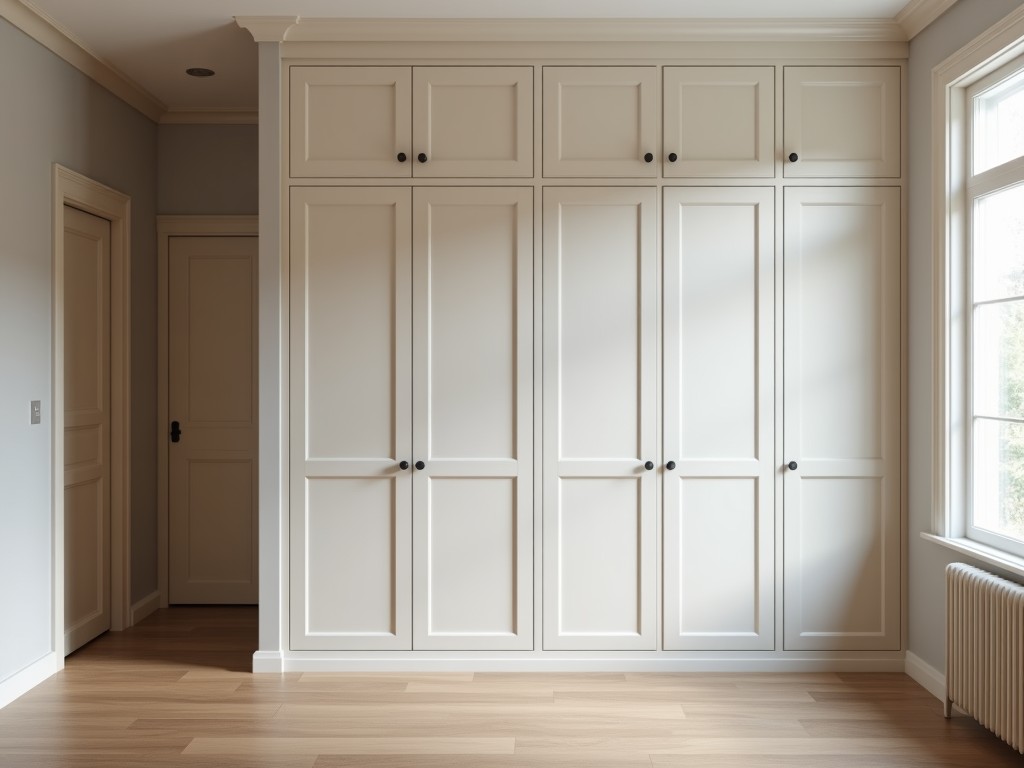
A full wall TV cabinet integrates storage, display, and structural support into a single vertical system designed to span an entire wall. Unlike freestanding units, it transfers load directly to the wall substrate, requiring precise engineering for weight distribution, seismic resistance, and long-term dimensional stability. Manufacturers must account for material creep, thermal expansion, and fastening system fatigue when designing these load-bearing assemblies.
Structural Design Considerations
The primary engineering challenge in full wall TV cabinets is managing concentrated loads from modern displays (typically 20–50 kg) distributed across a continuous horizontal plane. This requires reinforced horizontal rails, vertical stile alignment with wall studs, and shear-resistant panel-to-frame connections. Deflection limits are typically set to L/360 under full load to prevent visible sagging or door misalignment over time.
Material selection directly impacts structural performance. Engineered wood products like MDF or particleboard offer dimensional stability but require edge reinforcement and moisture barriers. Solid wood provides higher modulus of elasticity but introduces movement risks in humid environments. Metal reinforcements (steel or aluminum) are often integrated at critical joints to resist racking forces, particularly in seismic zones.
Manufacturing Process and Tolerances
Precision is critical in full wall cabinet production due to the cumulative effect of small errors across long spans. Panel cutting tolerances are maintained within ±0.5 mm to ensure seamless alignment during assembly. Edge banding must be applied with consistent pressure and temperature to prevent delamination under cyclic loading. CNC routing is used for dadoes, mortises, and cable passages to achieve repeatable precision across production batches.
Assembly sequence affects long-term stability. Glue-up and mechanical fastening (cam locks, confirmat screws, or brackets) are sequenced to minimize internal stress buildup. Adjustable leveling legs or wall-mounted suspension systems are incorporated to compensate for uneven floors or walls. All hardware is selected for corrosion resistance and fatigue life, with shear ratings validated through static and cyclic testing.
Customization and Integration Options
Full wall TV cabinets are highly adaptable to project-specific requirements, including integrated lighting, ventilation for media components, and concealed wiring pathways. Cable management systems incorporate brushed nylon grommets, removable access panels, and segregated low-voltage channels to prevent electromagnetic interference. Ventilation is designed using CFD principles to maintain component temperatures below 40°C rise above ambient.
Surface finishes are selected based on wear resistance, cleanability, and environmental compliance. Options include melamine-faced panels (scratch resistance >2N), UV-cured lacquers (hardness >2H), and veneer with catalyzed topcoats. Edge treatments range from 1mm PVC to 3mm solid wood, chosen based on impact exposure and aesthetic continuity with surrounding millwork.
Quality Control and Testing
Quality assurance begins with material inspection—moisture content is verified to 6–8% for wood-based substrates using pin-type meters. Panel flatness is checked across the entire surface with a straightedge and feeler gauge, accepting deviations no greater than 0.3 mm over 300 mm. Joint integrity is tested by applying 150 N lateral force to stile-rail connections, with zero permanent deformation allowed.
Finished units undergo load testing: a distributed load equivalent to a 50 kg TV plus 10 kg of media equipment is applied for 72 hours, followed by measurement of vertical deflection. Door alignment is verified after cycling 5,000 open-close operations with a 20 N lateral load. All test results are documented per batch and available for review upon request.
Applications in Commercial and Residential Environments
In corporate settings, full wall TV cabinets serve as central hubs for video conferencing, digital signage, and collaborative workspaces. Their ability to house cameras, microphones, and control systems behind ventilated, access-controlled panels supports AV integration standards like AES70 and Dante. Acoustic lining can be added to reduce internal reflections and improve speech intelligibility in meeting rooms.
In residential installations, these units address the challenge of large-format displays in open-plan living areas by providing balanced visual weight and integrated storage for media, books, and décor. They eliminate the visual clutter of multiple freestanding pieces while improving room acoustics through surface diffusion and absorption. Seismic anchoring kits are available for regions with elevated earthquake risk, meeting IBC and ASCE 7 requirements.
| Parameter | Typical Range / Specification |
|---|---|
| Maximum Span (Single Unit) | Up to 3.6 meters (requires intermediate wall support) |
| Vertical Load Capacity | 150 kg uniformly distributed |
| Deflection Limit (L/360) | ≤10 mm over 3.6 m span |
| Panel Thickness | 16 mm or 18 mm (substrate-dependent) |
| Edge Band Thickness | 0.5 mm–3.0 mm (PVC, wood, or metal) |
| Finish Options | Melamine, UV lacquer, veneer, laminate, paint-grade |
| Hardware Type | Cam locks, confirmat, brackets, concealed hinges |
| Cable Access | Grommets, removable panels, segregated channels |
| Ventilation (Open Area) | ≥5% of enclosure surface area |
All values are typical; actual specifications are customized according to project requirements, including wall construction, load conditions, and environmental factors. Custom lengths, depths, and internal configurations are available upon request. Material substitutions and finish upgrades can be engineered to meet specific performance or aesthetic criteria.
To discuss your project requirements for a full wall TV cabinet system, including structural calculations, material selection, and integration with AV or furniture systems, contact our engineering team. Provide your wall dimensions, intended load, and environmental conditions for a preliminary feasibility review and quotation.
Request Technical Consultation