Pet Matte Plywood Tv Wall Unit
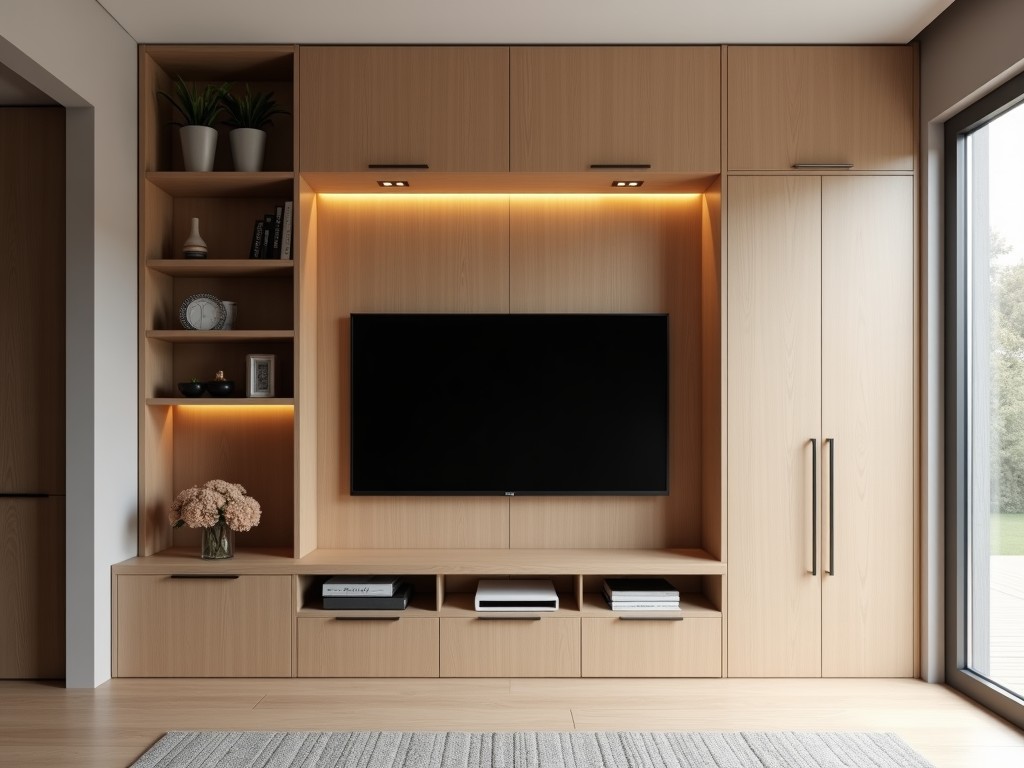
Pet Matte Plywood Tv Wall Unit
A pet matte plywood TV wall unit combines engineered wood substrates with a surface finish designed to resist scratches, stains, and pet-related wear while maintaining a low-gloss aesthetic suitable
- Category:
- TV Cabinet
Pet Matte Plywood TV Wall Unit
A pet matte plywood TV wall unit combines engineered wood substrates with a surface finish designed to resist scratches, stains, and pet-related wear while maintaining a low-gloss aesthetic suitable for modern interiors. This product type addresses the growing need for durable furniture in households with active pets, where conventional finishes show visible damage from claws, chewing, or accidental spills. The matte finish minimizes glare from ambient and task lighting, improving viewing comfort during extended screen use. Unlike high-gloss alternatives, matte surfaces do not highlight fingerprints or dust accumulation, reducing maintenance frequency. Manufacturers select plywood grades based on dimensional stability, void content, and screw-holding strength to ensure long-term structural integrity under dynamic loads from mounted televisions and frequent use.
Material Composition and Construction
The core consists of multi-layer hardwood plywood, typically birch or poplar, with cross-banded veneers to minimize expansion and contraction across humidity cycles. Face veneers are sanded to a smooth substrate before application of a matte coating system, which may include water-based polyurethanes, UV-cured acrylics, or modified melamine resins formulated for abrasion resistance. Edge sealing is critical; exposed plywood edges receive matching matte edge banding or are sealed with compatible coatings to prevent moisture ingress and delamination. Panel thickness ranges from 18mm for standard cabinets to 25mm for load-bearing shelves supporting televisions over 40kg. Internal reinforcement includes dado joints, cam locks, or metal brackets at stress points, depending on design load requirements. Adhesive selection follows interior-grade standards (e.g., E0 or E1 formaldehyde emissions) to ensure indoor air quality compliance.
Surface Performance Characteristics
The matte finish is engineered to achieve a gloss level between 5-15 GU (Gloss Units) at 60-degree measurement, providing visual softness without compromising cleanability. Abrasion resistance is tested via Taber abrasion (CS-10 wheel, 500g load) targeting less than 80mg weight loss over 1000 cycles for pet-claw simulation. Stain resistance evaluates common household agents: coffee, wine, urine, and pet saliva; coatings must show no permanent discoloration after 24-hour exposure and cleaning with neutral pH detergent. Water resistance is assessed through 4-hour submersion tests on edge-sealed samples, with acceptable swelling under 2%. UV stability ensures minimal yellowing or chalking under accelerated aging (1500 hours UV-A/B exposure). These metrics are validated through third-party testing or internal QA protocols aligned with ISO 2813 (gloss), ISO 7784-2 (abrasion), and ISO 2812-1 (chemical resistance).
Design Integration for TV Mounting
TV wall units incorporate specific load-path considerations: the mounting platform must transfer television weight and dynamic forces (e.g., from vibration or accidental impact) to the wall studs via a securely anchored back panel or cleat system. Shelf depth typically ranges from 300mm to 450mm to accommodate soundbars, gaming consoles, and decorative items without compromising viewing angle. Cable management is integrated through routed channels in the rear panel or vertical dividers, with access points sized for HDMI, power, and Ethernet cords. Ventilation gaps (minimum 50mm) behind the television prevent heat buildup, critical for OLED and high-brightness LED models. Adjustable shelving uses pin-and-hole systems or metal standards with 32mm spacing, allowing reconfiguration as equipment changes over time. Clearance between the TV bottom and shelf below is maintained at minimum 50mm to accommodate stand height and airflow.
Customization and Dimensional Flexibility
Standard configurations are adaptable to project-specific dimensions through modular panel systems. Width adjustments occur in 50mm increments to align with stud spacing or architectural features. Height modifications accommodate varying ceiling heights or seating sightlines, with upper cabinets typically starting at 1200mm from finished floor for optimal viewing ergonomics. Depth can be increased for larger media consoles or decreased for tight spaces, though shelf load capacity must be recalculated for spans over 900mm. Finish customization includes matte sheen levels (5, 10, or 15 GU), color matching to RAL or NCS standards, and optional anti-microbial additives in the coating for high-hygiene environments. Hardware options range from soft-close hinges and drawer slides to push-to-open mechanisms, selected based on usage frequency and pet accessibility.
Quality Control and Testing Protocols
Incoming plywood is inspected for void percentage (<5% per sheet), thickness tolerance (±0.3mm), and moisture content (8-12% equilibrium). Coating application is monitored via wet film thickness gauges to ensure 40-60μm dry film build per pass, with UV curing energy measured in mJ/cm² for consistency. Finished panels undergo 100% visual inspection under 500 lux lighting for gloss uniformity, edge coverage, and defect detection (e.g., orange peel, pinholes). Random sampling includes Taber abrasion, cross-hatch adhesion (ASTM D3359), and pencil hardness (HB-2H minimum). Assembled units are subjected to static load testing (150% of rated capacity for 24 hours) and cycle testing (door/shelf operation 5000 cycles) to validate long-term functionality. Documentation includes material safety data sheets (MSDS), test reports, and assembly instructions tailored to regional regulations.
Applications in Residential and Commercial Settings
Beyond household use with pets, these units are specified in veterinary clinics, pet grooming salons, and animal boarding facilities where surfaces must withstand frequent cleaning with disinfectants and resist damage from animal contact. In residential settings, they serve multi-pet households, homes with young children, or rental properties requiring low-maintenance finishes. Commercial applications include co-living spaces, boutique hotels with pet-friendly rooms, and senior living communities where durability and ease of cleaning reduce operational costs. The matte finish reduces visual clutter in media rooms, home theaters, and open-plan living areas by minimizing reflective surfaces that compete with screen contrast. Acoustic considerations may lead to specifying perforated backing or absorbent materials behind the TV zone to mitigate sound reflection in critical listening environments.
Packaging and Logistics Considerations
Flat-pack shipping is standard, with panels stacked horizontally on pallets and protected by corner boards, edge protectors, and stretch film. Individual components are separated by slip sheets or corrugated dividers to prevent surface abrasion during transit. Hardware kits are segregated in labeled, moisture-resistant bags with clear pictorial assembly instructions. Pallet dimensions optimize for standard container loads (e.g., 18 pallets per 40ft HQ), reducing freight cost per unit. Assembly hardware includes pre-drilled cam holes and pre-installed dowels where applicable to minimize on-site labor. For high-value projects, optional white-glove delivery and installation services are available, including wall anchoring verification and level calibration. Storage recommendations advise keeping panels flat, dry, and acclimatized to installation environment for 48 hours prior to assembly to prevent post-installation movement.
Comparison with Alternative Finishes
Compared to high-gloss lacquer or UV-coated finishes, matte surfaces scatter incident light, reducing glare and hiding minor surface imperfections that would be visible under specular reflection. However, matte finishes may show water spots more readily if not wiped promptly, requiring slightly different maintenance protocols than hydrophobic high-gloss alternatives. Laminate or melamine-faced panels offer lower cost but lack the repairability and premium feel of coated plywood; scratches in laminate are permanent, whereas matte coatings can often be spot-repaired with matching touch-up materials. Natural wood veneers with matte sealant provide similar aesthetics but require more frequent maintenance in high-wear zones and are less resistant to chemical spills. Engineered wood substrates like MDF offer smoother surfaces but lower screw-holding strength and moisture resistance, making plywood preferable for load-bearing TV units.
Inquiry and Technical Support
To initiate a quotation or discuss project-specific requirements, provide details including: overall dimensions (width, height, depth), television size and weight, desired shelf configuration, preferred finish color or RAL/NCS reference, and any special requirements such as cable management features, ventilation needs, or pet-resistant additives. Our technical team will review inputs for structural feasibility, material selection, and compliance with relevant standards before returning a detailed proposal with lead times, pricing, and packaging options. For complex installations, we can supply shop drawings, load calculations, or coordination with interior designers or contractors. Contact us via the link below to begin the consultation process.



