Luxury Hidden Tv Wall Design Cabinet
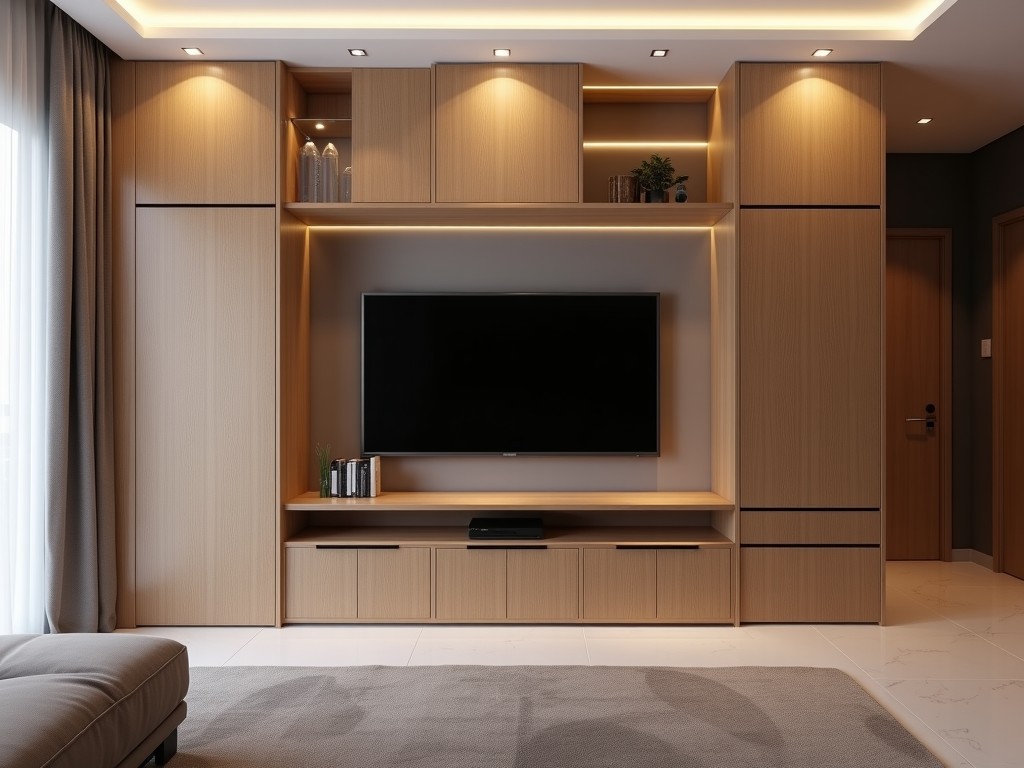
Luxury Hidden Tv Wall Design Cabinet
A luxury hidden TV wall design cabinet integrates display technology into architectural millwork, concealing the television when not in use through motorized or manual panel systems. This solution
- Category:
- TV Cabinet
Luxury Hidden TV Wall Design Cabinet
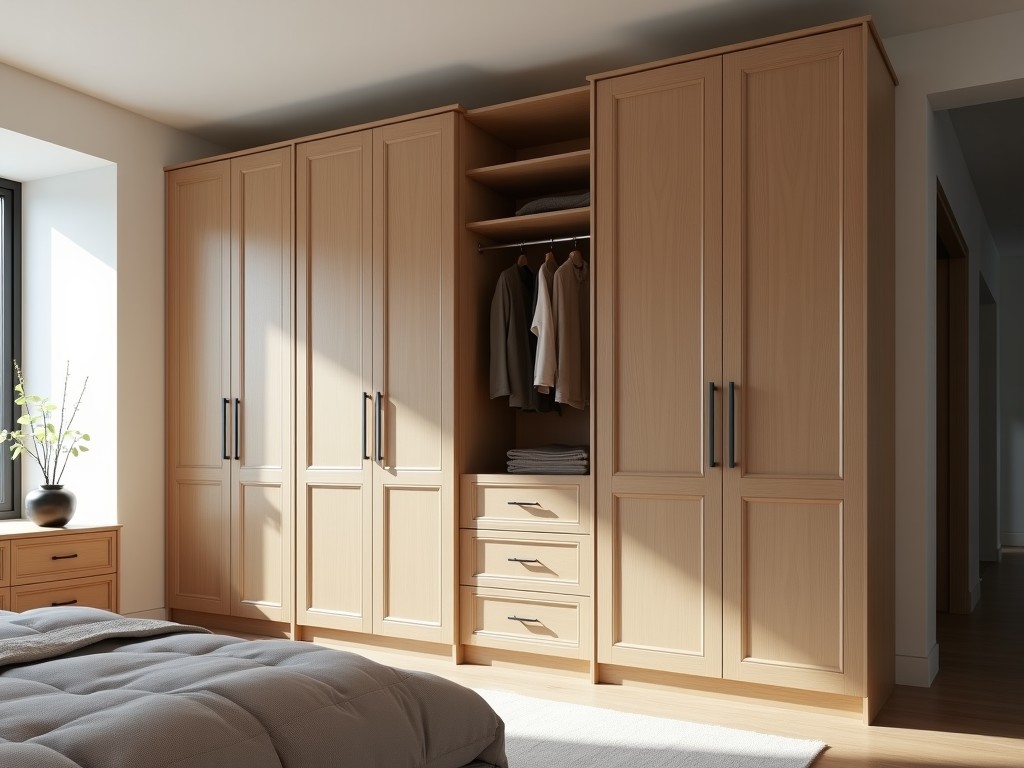
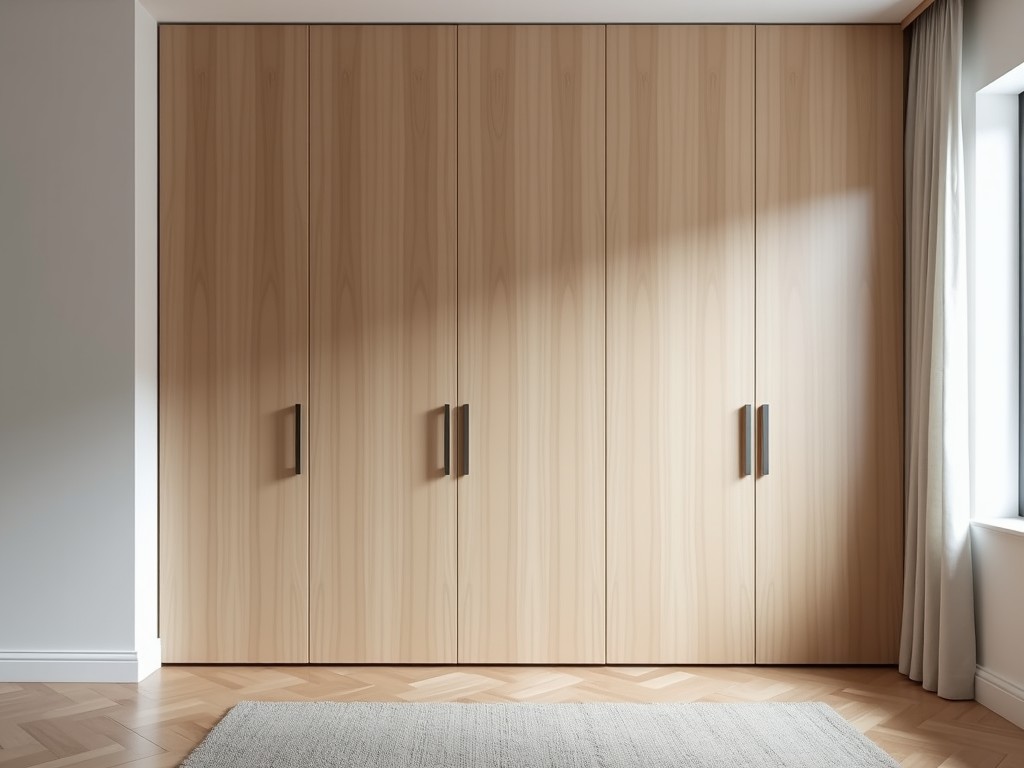
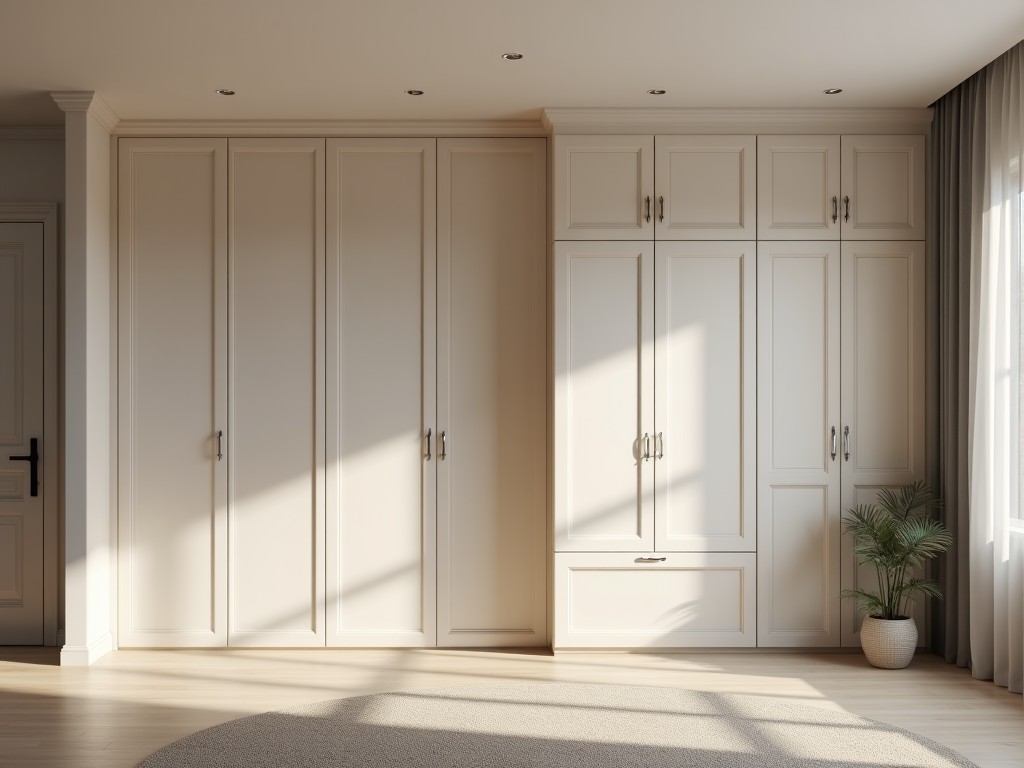
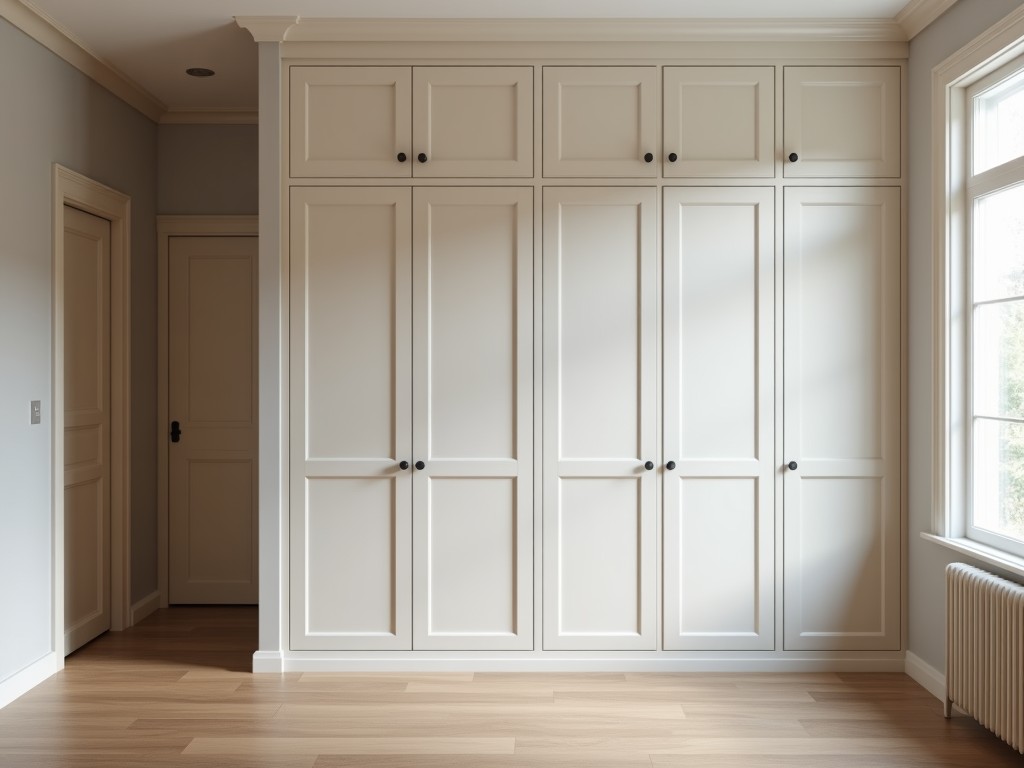
A luxury hidden TV wall design cabinet integrates display technology into architectural millwork, concealing the television when not in use through motorized or manual panel systems. This solution maintains interior design continuity by eliminating visual clutter from exposed screens while preserving optimal viewing ergonomics when deployed. The cabinet structure supports the TV’s weight, manages thermal dissipation, and routes power and signal cables through concealed channels to prevent strain on connections. Material selection focuses on dimensional stability, finish compatibility with surrounding millwork, and resistance to warping under varying humidity conditions. Mechanism design prioritizes smooth, quiet operation with minimal vibration transfer to adjacent surfaces.
Core Engineering Considerations
The cabinet’s internal framework must accommodate the TV’s VESA mounting pattern while allowing for vertical or horizontal travel depending on the concealment method. Load calculations account for dynamic forces during movement, requiring reinforced brackets and anti-sway guides to prevent panel oscillation. Thermal management involves passive venting or low-noise fans sized to maintain junction temperatures below manufacturer limits, with airflow paths designed to avoid dust accumulation. Cable management systems incorporate strain relief and bend radius protection for HDMI, power, and control lines, ensuring signal integrity over repeated cycles. Clearance tolerances between moving panels and fixed cabinet elements are held to ±0.5mm to prevent binding or finish wear.
Material and Finish Options
Primary structural components use multi-ply hardwood plywood or MDF with formaldehyde-free adhesives, selected for consistent density and minimal movement (<0.2% dimensional change across 30-70% RH). Exterior faces receive veneer matching adjacent wall panels, with species options including white oak, walnut, or sapele, processed through UV-cured finishes for hardness (>2H pencil grade) and scratch resistance. Interior surfaces feature low-reflectance laminates or flocked materials to reduce glare and prevent TV surface marking during storage. Hardware includes ball-bearing drawer slides or linear guides rated for 50,000 cycles, with corrosion-resistant coatings for coastal environments.
Mechanism Types and Operation
Motorized systems employ silent AC or DC tubular motors with soft-start/stop circuitry, achieving travel speeds of 25-40 mm/s and positional accuracy within 2mm. Manual variants use gas-assisted struts or counterbalance weights to offset panel mass, enabling one-hand operation with holding force >15N to prevent drift. Synchronization mechanisms ensure dual-panel designs move in parallel without racking, using timing belts or linked drive shafts. Control interfaces include low-voltage IR/RF receivers, wall switches, or integration with home automation protocols (Z-Wave, Zigbee, Crestron) for scene-based activation.
Dimensional and Performance Specifications
| Parameter | Typical Range | Notes |
|---|---|---|
| Internal Width | 800–1600 mm | Matches TV bezel-to-bezel width |
| Internal Height | 500–1000 mm | Includes clearance for tilt/swivel mounts |
| Panel Travel | 600–1200 mm | Vertical or horizontal displacement |
| Load Capacity | 25–50 kg | Includes TV and mounting hardware |
| Motor Torque | 1.5–3.0 Nm | At nominal voltage (24V DC) |
| Cycle Noise | <35 dB(A) | Measured at 1m distance |
Applications in High-End Environments
These cabinets are specified in residential master bedrooms, living rooms, and boutique hospitality suites where maintaining a seamless aesthetic is paramount. In corporate boardrooms, they enable rapid transition between presentation and collaborative modes by concealing displays behind art panels or sliding millwork. Marine and aviation interiors utilize compact variants with salt-resistant coatings and vibration-dampened mounts to withstand motion-induced stress. The design reduces perceived room scale by eliminating the visual dominance of black glass screens, allowing architectural features like moldings or material transitions to remain focal points. Integration with ambient lighting systems further enhances the illusion of a static wall plane when the TV is retracted.
Customization and Project Integration
Each unit is engineered to project-specific requirements, beginning with field-verified opening dimensions and TV model specifications. Shop drawings detail panel clearances, motor placement, and cable entry points, reviewed against architectural millwork schedules. Finish samples are provided for approval to ensure color and grain matching with adjacent surfaces. Lead times typically range from 6–8 weeks after drawing approval, depending on material availability and finish complexity. Packaging includes corner protectors, stretch wrap, and rigid crating for LTL shipment, with shock indicators to detect mishandling during transit.
For technical consultation or to request a project-specific quotation, contact our engineering team.
Request Quote