Lacquer Cream Tv Cabinet Suppliers
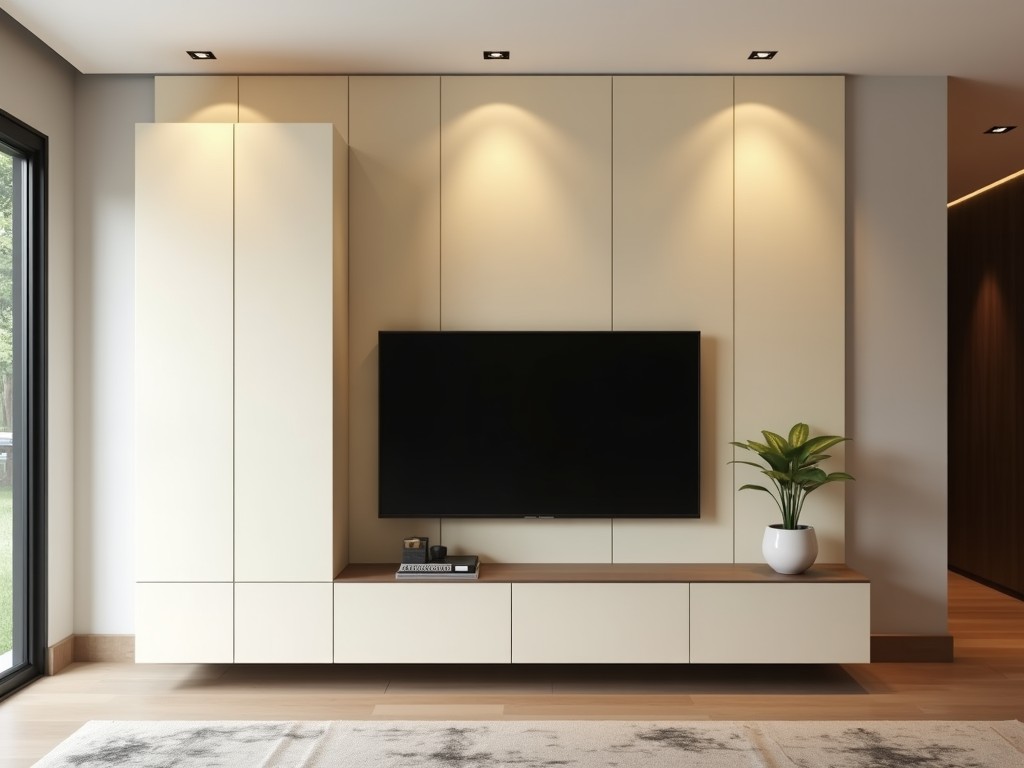
Lacquer Cream Tv Cabinet Suppliers
Industrial buyers seeking lacquer cream TV cabinets require suppliers who understand the material behavior, surface finish consistency, and dimensional stability critical for high-visibility
- Category:
- TV Cabinet
Lacquer Cream TV Cabinet Suppliers
Industrial buyers seeking lacquer cream TV cabinets require suppliers who understand the material behavior, surface finish consistency, and dimensional stability critical for high-visibility furniture components. This page details the technical specifications, manufacturing considerations, and quality control practices that define reliable supply chains for lacquer cream TV cabinets in commercial and residential markets.
Material Composition and Substrate Selection
The substrate for lacquer cream TV cabinets must resist warping, moisture absorption, and surface telegraphing under sustained load. Common substrates include MDF with density ≥ 700 kg/m³, particleboard with E1 formaldehyde rating, or plywood with cross-bonded veneers. Surface preparation involves sanding to 180–220 grit before primer application to ensure adhesion and prevent pinholes in the final lacquer film.
Lacquer Cream Finish Specifications
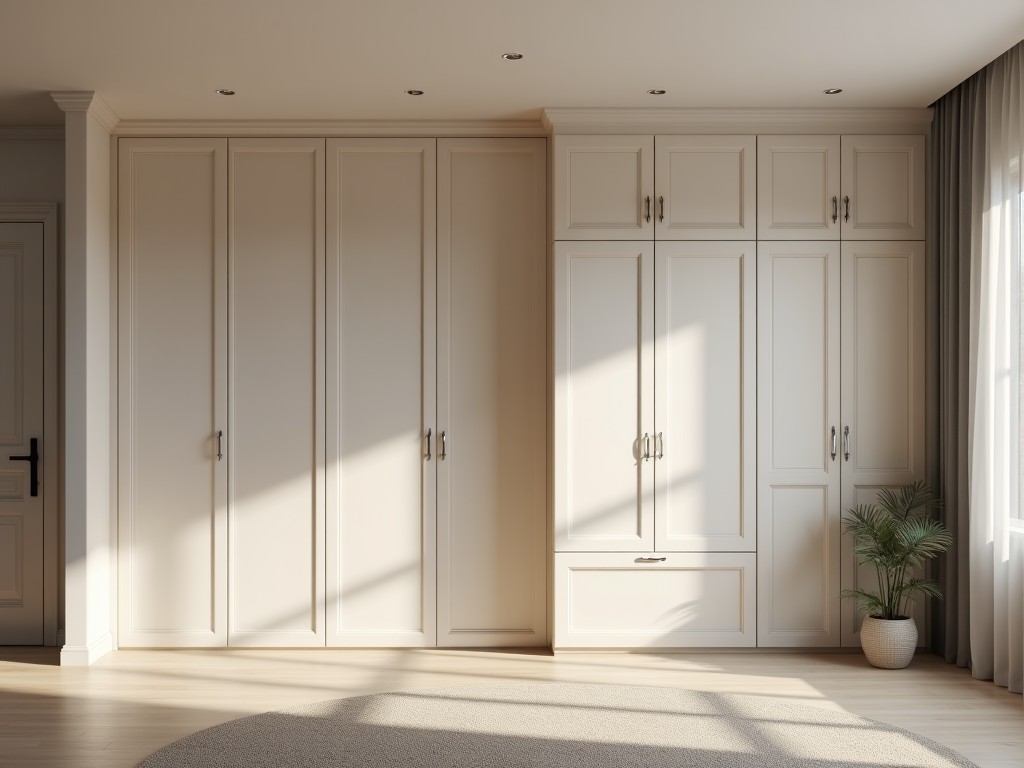
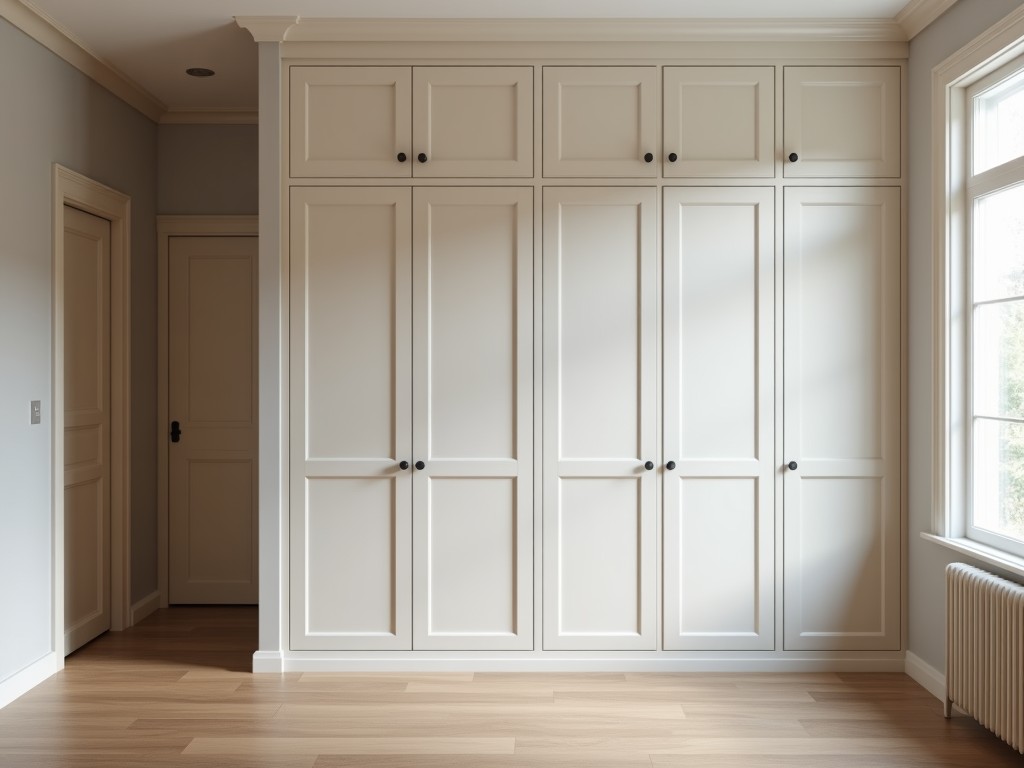
The lacquer cream finish is typically a two-component polyurethane (2K PU) or nitrocellulose-based system with a target gloss level of 15–25% (matte to satin) and a color tolerance of ΔE < 1.5 under D65 lighting. Film thickness averages 35–50 microns after full cure, providing resistance to household cleaners, UV yellowing (ΔE < 3 after 200 hours UV exposure), and light scratching. Viscosity is controlled between 20–30 seconds (Ford #4 cup) at 25°C to ensure uniform flow and leveling during spray application.
Manufacturing Process and Quality Control
Application occurs in climate-controlled spray booths (20–25°C, 40–60% RH) using HVLP or air-assisted airless systems to minimize overspray and ensure film uniformity. Each coat undergoes intermediate sanding (320–400 grit) to remove dust nibs and promote intercoat adhesion. Final inspection includes gloss meter readings at 60°, colorimeter checks against Pantone or RAL standards, and adhesion testing via ASTM D3359 Method B (tape test). Edge sealing is performed to prevent moisture ingress at joints and cut edges.
Structural Design and Load Considerations
TV cabinets must support dynamic loads from audiovisual equipment (typically 20–50 kg) and resist torsional stress from frequent door operation. Frame construction uses mortise-and-tenon or cam-lock joints with reinforced corner blocks. Shelves are adjustable via metal pins or euro-screws with load ratings ≥ 15 kg per shelf. Back panels are either 3mm HDF with grooves for ventilation or 5mm plywood to prevent racking. All edges are sealed with matching lacquer cream edge banding (PVC or ABS, 0.5–1.0mm thickness) to maintain finish continuity.
Customization Options and Tolerances
Dimensional tolerances for assembled cabinets are typically ±1.5mm on overall width/height and ±1.0mm on door/drawer gaps. Customization includes adjustable shelf heights (25mm increments), integrated cable management channels (min. 40mm diameter), soft-close hinges (30,000-cycle rating), and push-to-open mechanisms. Surface finishes can be matched to sample chips or Pantone references, with batch consistency verified via spectrophotometer. Hardware options include zinc-aluminum alloy handles (ZnAl4Cu1) or stainless steel (Grade 304) for corrosion resistance.
Packaging and Logistics
Finished cabinets are packaged in double-wall corrugated cartons (minimum 200 lb burst strength) with internal corner protectors (expanded polystyrene or molded pulp) and interleaving sheets (kraft paper or LDPE film) to prevent surface abrasion. Each unit includes a product label with batch number, material specs, and care instructions. Palletized shipments use stretch wrap and top/bottom corrugated pads for stability. Export packaging complies with ISPM 15 for wood components and includes desiccant packets to control humidity during transit.
| Parameter | Typical Value / Range | Notes |
|---|---|---|
| Substrate Density (MDF) | ≥ 700 kg/m³ | Reduces telegraphing and improves screw holding |
| Lacquer Film Thickness | 35–50 microns | After full cure (7 days at 25°C) |
| Gloss Level (60°) | 15–25% | Matte to satin finish |
| Color Tolerance (ΔE) | < 1.5 | Under D65 lighting, batch-to-batch |
| Adhesion (ASTM D3359) | 4B–5B | No coating removal after tape test |
| UV Resistance (ΔE after 200h) | < 3 | Accelerated weathering test |
| Shelf Load Capacity | ≥ 15 kg | Evenly distributed load |
| Edge Banding Thickness | 0.5–1.0 mm | PVC or ABS, hot-air applied |
Applications in Commercial and Residential Settings
Lacquer cream TV cabinets are specified in hospitality environments (hotel rooms, lobbies) where a neutral, warm tone complements wood flooring and textile finishes without showing fingerprints as readily as high-gloss surfaces. In residential developments, they serve as a versatile backdrop for varying interior styles, particularly in Scandinavian or transitional designs where matte finishes reduce glare from ambient lighting. The finish’s resistance to common cleaning agents (isopropyl alcohol, mild detergents) supports maintenance in high-turnover environments such as rental properties or assisted living facilities.
Supplier Evaluation Criteria
Industrial buyers should assess suppliers based on their ability to maintain finish consistency across production runs, provide material safety data sheets (MSDS) for lacquer systems, and demonstrate compliance with VOC regulations (e.g., EU Ecolabel, CARB Phase 2). Request samples with documented batch numbers and cure times to verify color match and adhesion. Inquire about process controls for humidity and temperature during spraying and curing, as deviations can cause orange peel, blushing, or poor hardness. Reliable suppliers offer traceability from substrate lot to finished product and support third-party inspections.
For technical inquiries, sample requests, or quotations for lacquer cream TV cabinet supply, contact our team to discuss project-specific requirements including dimensions, finish specifications, and delivery timelines.