Full Wall Tv Unit With Cupboards
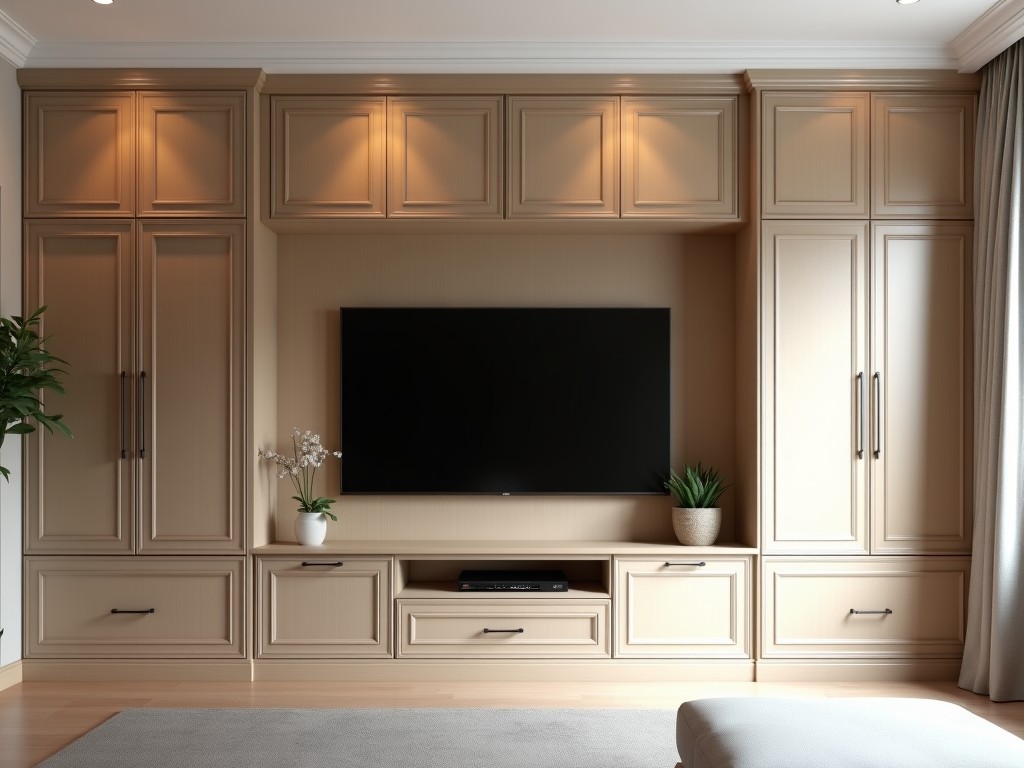
Full Wall Tv Unit With Cupboards
A full wall TV unit with integrated cupboards provides a structured solution for mounting displays while incorporating storage for media components, accessories, and equipment. Designed for
- Category:
- TV Cabinet
Full Wall TV Unit with Cupboards
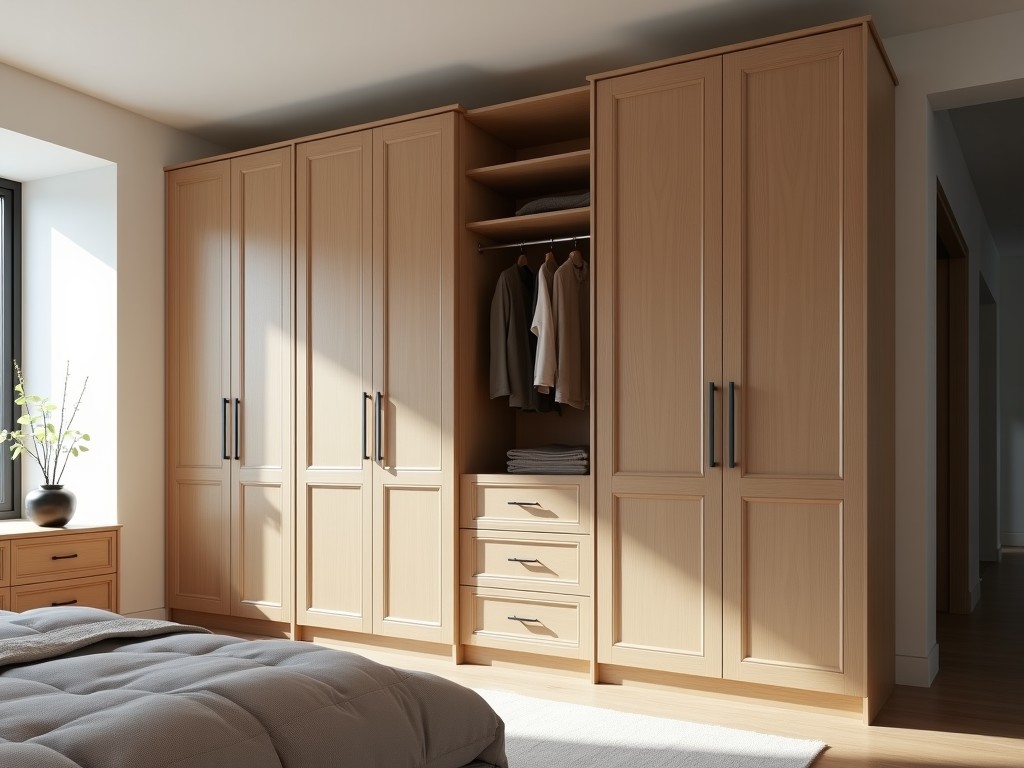
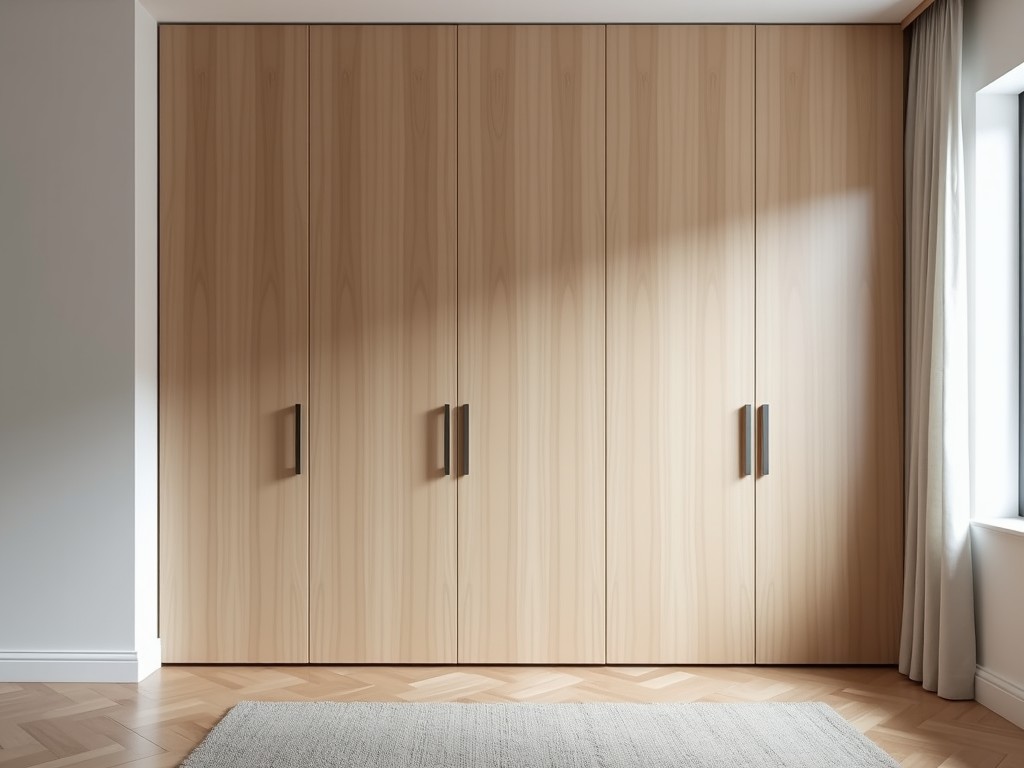
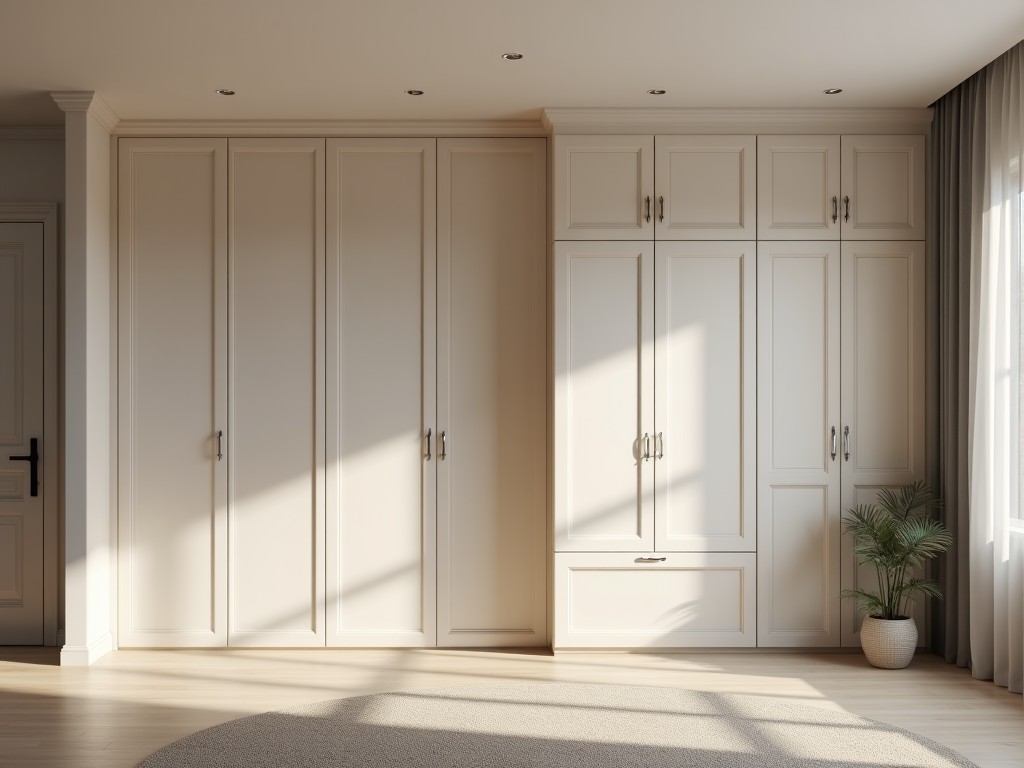
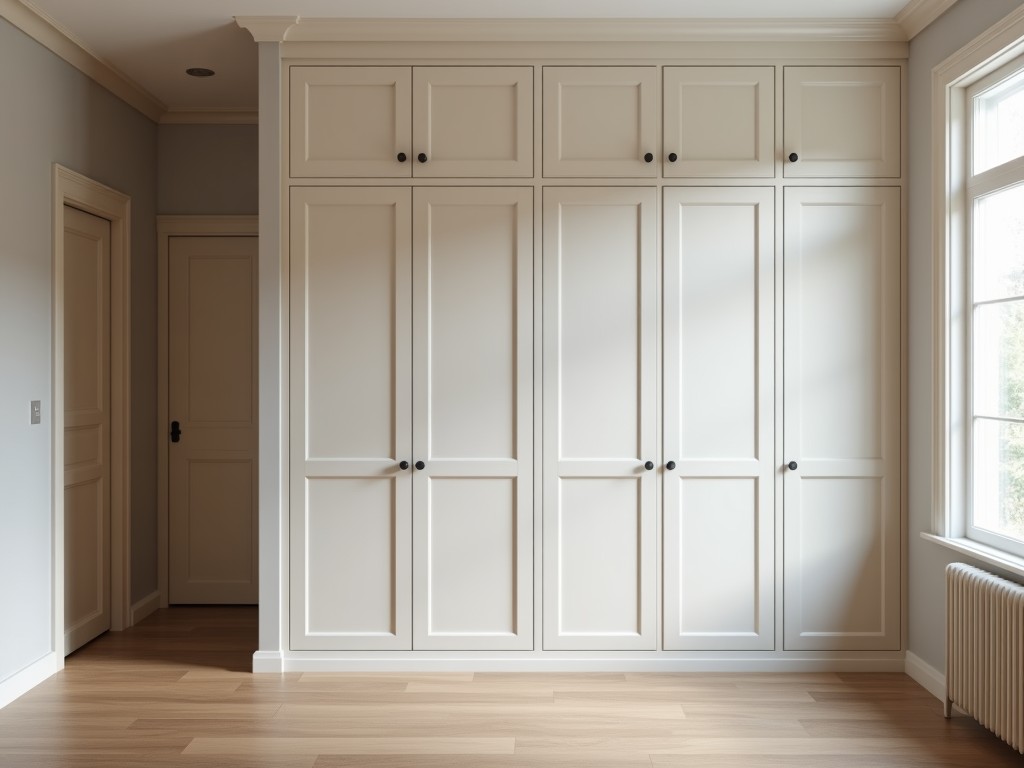
A full wall TV unit with integrated cupboards provides a structured solution for mounting displays while incorporating storage for media components, accessories, and equipment. Designed for commercial and industrial environments, this configuration consolidates audiovisual infrastructure into a single, accessible enclosure. The unit supports ergonomic viewing heights, cable management, and secure equipment housing, reducing clutter and improving operational efficiency in control rooms, lobbies, conference areas, and production facilities.
Structural Design and Load Distribution
The primary frame is constructed from 18mm to 25mm thick engineered wood panels or metal-reinforced composites, selected based on load requirements and environmental conditions. Vertical stiles and horizontal rails form a load-bearing grid that transfers the weight of the display and internal components directly to the floor or wall anchors. Shelf brackets and cupboard carcasses are engineered to resist sag under sustained loads, with deflection limits typically kept under 2mm per meter under rated capacity. Reinforcement brackets at joint intersections prevent racking under dynamic loads, such as during equipment installation or seismic events in sensitive facilities.
Material Options and Environmental Resistance
Panel substrates include moisture-resistant MDF, particleboard with melamine facing, or aluminum composite panels for high-humidity or chemically exposed environments. Edge sealing uses PVC or ABS tape to prevent substrate swelling. Cupboard interiors feature laminated surfaces resistant to scratches and cleaning agents. In environments requiring electrostatic discharge (ESD) control, conductive coatings or dissipative laminates are applied to interior surfaces. All materials comply with low-VOC emission standards for indoor air quality in occupied spaces.
Cupboard Configuration and Accessibility
Cupboards are arranged symmetrically or asymmetrically flanking the central TV cavity, depending on equipment layout and access requirements. Doors operate via concealed hinges with soft-close dampers to prevent impact damage. Internal shelving is adjustable in 25mm increments using pin-and-hole systems or sliding standards. Lockable options include cam locks, electronic keypads, or RFID actuators for secure storage of sensitive media drives, remotes, or calibration tools. Ventilation grilles or passive airflow channels are integrated into cupboard sides or backs to dissipate heat from amplifiers, servers, or power supplies.
Cable Management and Service Access
Vertical cable channels run behind the TV mounting plate and along interior cupboard walls, allowing routing of power, HDMI, Ethernet, and control cables from floor or ceiling conduits to equipment inside. Removable rear panels or hinged access doors provide service clearance for termination, testing, and upgrades without dismantling the unit. Grommets with brush seals prevent dust ingress while maintaining bend radius compliance for fiber optic and coaxial cables. Grounding points are bonded to the frame for electrical safety in Class I equipment installations.
Typical Dimensions and Customization Parameters
| Parameter | Typical Range | Customization Notes |
|---|---|---|
| Overall Height | 1800mm – 2400mm | Based on ceiling clearance and viewing ergonomics |
| Overall Width | 2400mm – 3600mm | Scales with display size and storage needs |
| Depth | 300mm – 500mm | Determined by equipment clearance and door swing |
| TV Cavity Width | 1200mm – 2200mm | Matches VESA mount and display bezel |
| Cupboard Interior Height | 400mm – 800mm per tier | Adjustable shelving accommodates variable equipment heights |
Dimensions are tailored to site-specific constraints, including ceiling height, floor loading, and adjacent architectural features. Customization extends to finish selection, hardware type, and integration of auxiliary components such as speaker grilles, lighting strips, or touch panel mounts.
Applications in Industrial and Commercial Environments
In broadcast studios, the unit houses video servers, audio mixers, and monitoring displays while securing backup media and technical documentation. Control rooms in power generation or transportation units use it to consolidate SCADA interfaces, communication terminals, and emergency response tools. Corporate lobbies deploy it for digital signage with storage for remotes, signage players, and maintenance kits. Manufacturing facilities use wall units in training centers to protect instructional equipment from dust and unauthorized access. The integrated design reduces installation time by eliminating the need for separate mounts, shelving, and enclosures.
Quality Control and Manufacturing Considerations
Panel squareness is verified using diagonal measurement tolerance of <2mm over 2m spans. Edge banding adhesion is tested via peel resistance to ensure durability under cleaning cycles. Hinge and latch mechanisms undergo cycle testing (minimum 20,000 operations) to validate long-term functionality. Finish uniformity is assessed under standardized lighting to detect color variation or texture inconsistency. Packaging includes corner protectors, edge guards, and stretch wrapping to prevent damage during transit to industrial sites.
Request technical specifications or submit a quotation inquiry