Cream Style Living Room Display Cabinet
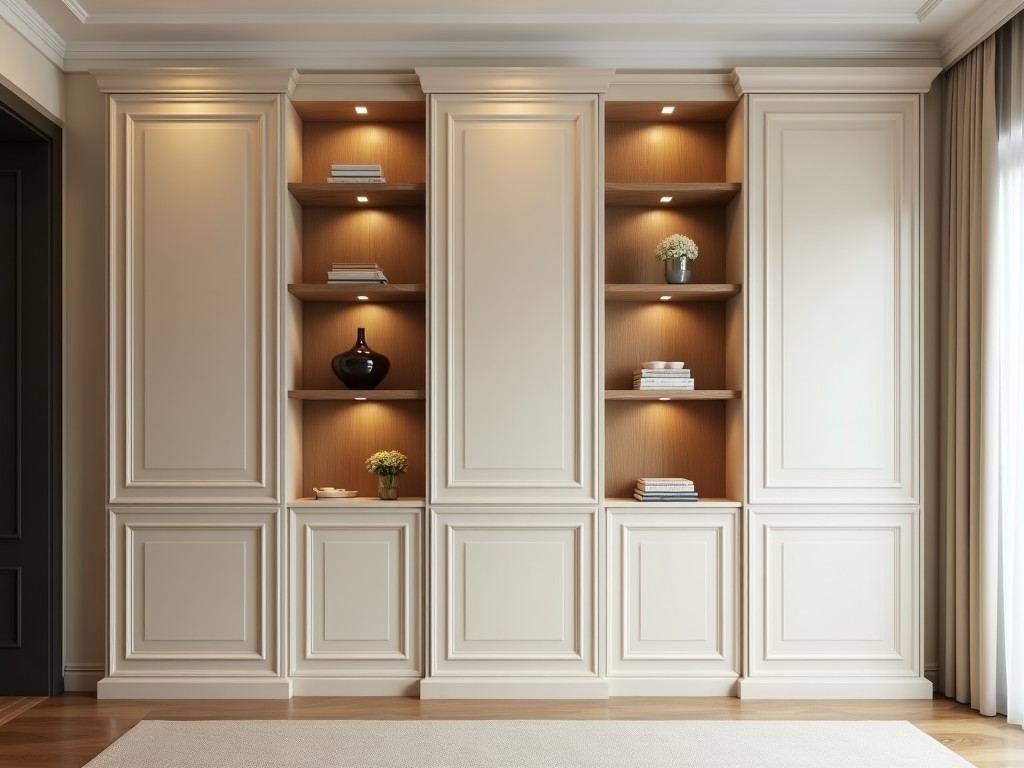
Cream Style Living Room Display Cabinet
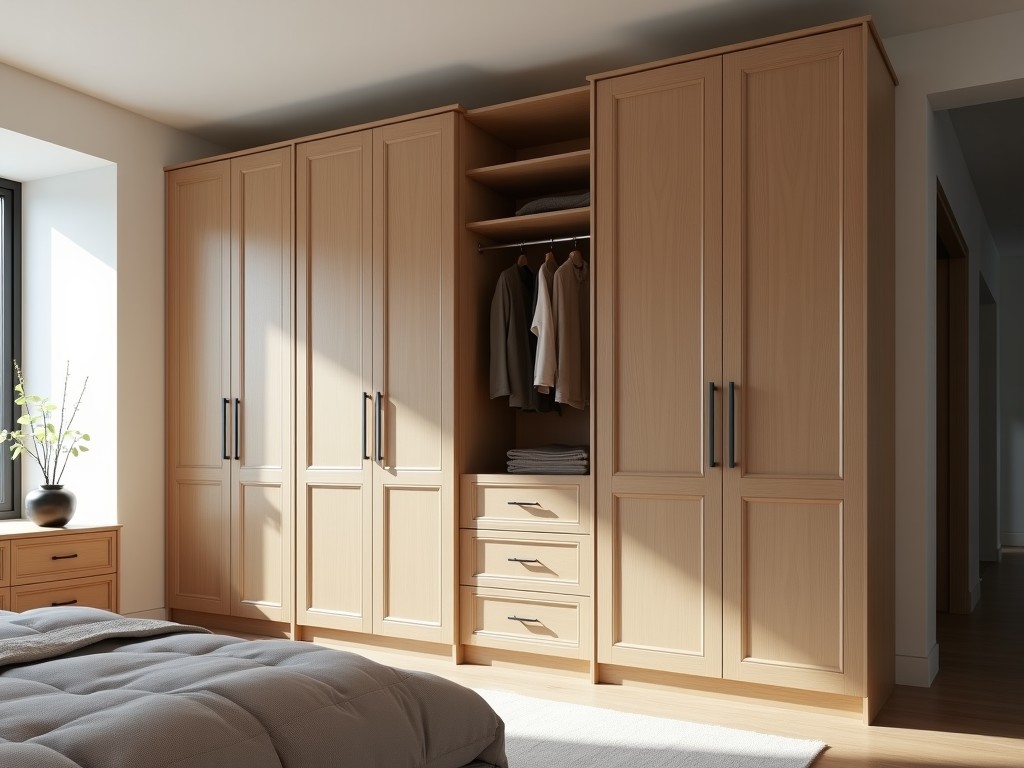
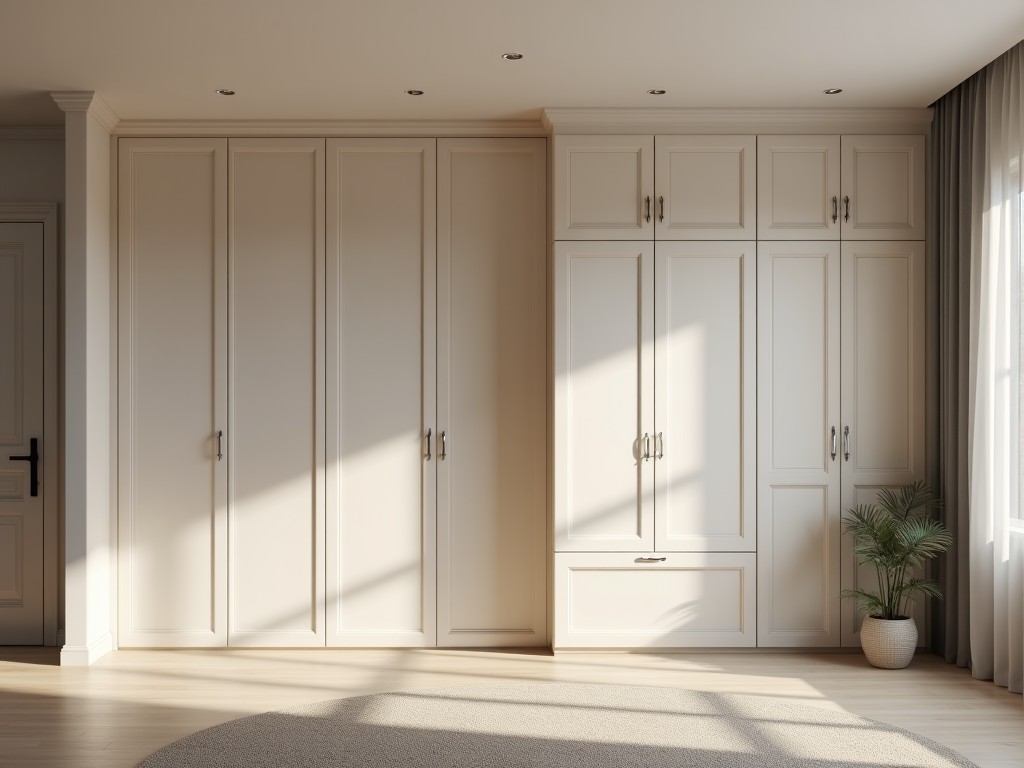
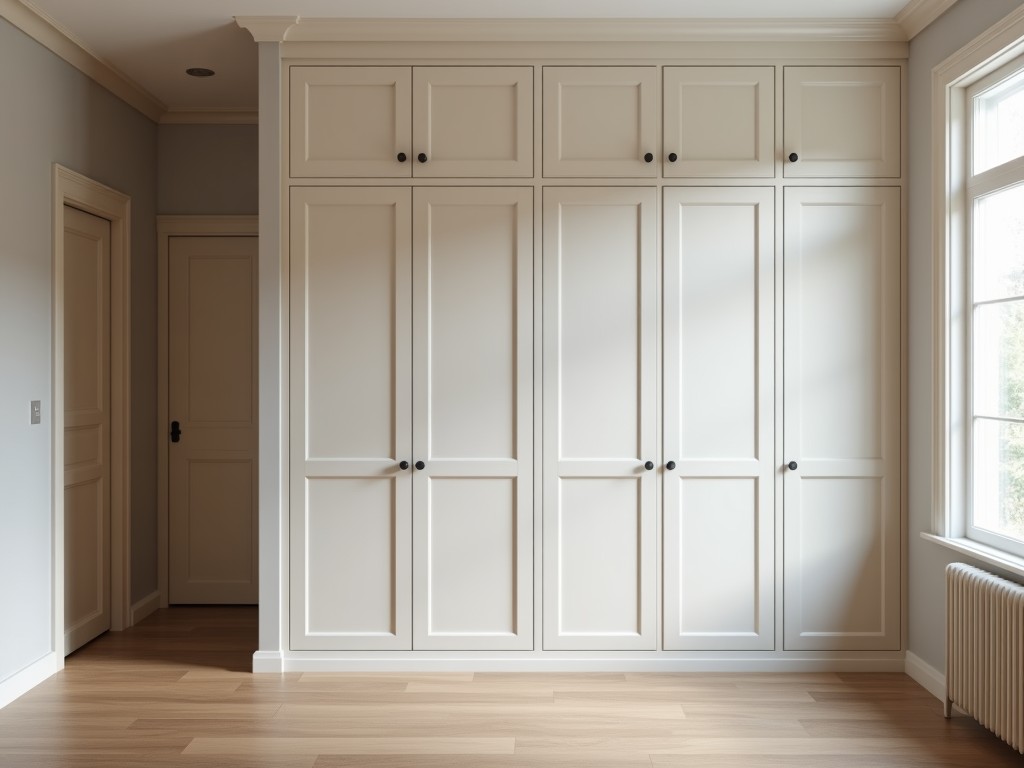
A cream style living room display cabinet combines functional storage with a neutral aesthetic suited to contemporary residential interiors. Its design emphasizes clean lines, consistent panel
- Category:
- TV Cabinet
Cream Style Living Room Display Cabinet
A cream style living room display cabinet combines functional storage with a neutral aesthetic suited to contemporary residential interiors. Its design emphasizes clean lines, consistent panel alignment, and surface finishes that resist yellowing under prolonged UV exposure. The cabinet structure typically employs engineered wood substrates with laminated or painted surfaces to achieve a uniform cream tone across all visible faces.
Internal dimensions are configured to accommodate standard display items such as ceramics, books, or media equipment, with shelf spacing adjustable in 32mm increments via concealed metal brackets. Load capacity per shelf is rated for evenly distributed weights up to 15kg, based on material thickness and support geometry. Edge banding is applied to all exposed panel edges using PVC or ABS strips matched to the surface color, sealed to prevent moisture ingress at joints.
Hardware components include soft-close hinges rated for 50,000 cycles and drawer slides with static load tolerance of 25kg per pair. All metallic fasteners are zinc-plated or stainless steel to inhibit corrosion in indoor environments. Assembly relies on cam-lock and dowel joints, allowing for disassembly and reassembly without degradation of joint integrity.
Material Composition and Surface Finish
The primary substrate is medium-density fiberboard (MDF) with a density of 680–720 kg/m³, selected for its dimensional stability and machinability. Surface layers consist of either melamine-faced laminate or polyurethane paint, both formulated to deliver a cream color within the CIE L*a*b* range of L=88–92, a=−1 to +1, b=+2 to +4. This range ensures visual neutrality under D65 lighting conditions.
Laminate options include textures ranging from smooth to light wood grain, with abrasion resistance rated at 150–200 cycles under Taber testing (CS-10 wheel, 500g load). Painted finishes utilize water-based polyurethanes with VOC content below 50g/L, achieving a hardness of 2H on the pencil scale and adhesion rating of 5B per ASTM D3359. Edge sealing uses hot-melt adhesive applied at 180–200°C to create a continuous barrier against humidity.
Back panels are typically 3mm thick hardboard or MDF, seated in grooves routed into the cabinet frame to prevent racking. For installations requiring enhanced rigidity, optional 6mm thick back panels with vertical stiffeners are available. All materials comply with CARB Phase 2 and TSCA Title VI formaldehyde emission limits, ensuring indoor air quality compliance.
Dimensional Configurations and Customization
Standard cabinet widths range from 800mm to 1800mm in 200mm increments, heights from 1400mm to 2200mm, and depths fixed at 400mm or 450mm to align with common sofa and wall clearances. Internal shelf depth is 360mm or 410mm respectively, providing 20–40mm clearance from the door face for ventilation and object placement. Door overlap is set at 16mm to ensure full concealment of the cabinet carcass when closed.
Customization options include adjustments to shelf quantity, door configuration (single, double, or glass-panel), and integration of LED lighting strips along the top interior panel. Glass doors use 4mm tempered safety glass with polished edges, mounted via aluminum retainers with rubber gaskets to prevent metal-to-glass contact. Lighting systems operate at 12V DC with CRI >90 and color temperature adjustable between 3000K–4000K.
Cable management features include 25mm diameter holes in the rear panel and removable access plates at the base for power and AV cabling. These openings are reinforced with nylon bushings to reduce wear on cables during movement. All dimensional tolerances are maintained within ±0.5mm for panel cutting and ±0.2mm for hole placement to ensure consistent fit across units.
Load Distribution and Structural Performance
The cabinet frame is designed to resist racking forces through a combination of full-depth top and bottom panels, side panel-to-panel adhesion, and optional corner brackets. Finite element analysis indicates that under a uniform 30kg load distributed across the top panel, deflection at the center remains below 0.8mm for a 1200mm wide unit with 18mm thick side panels. This stiffness prevents door misalignment over time.
Shelf supports use nickel-plated steel pins inserted into 5mm diameter holes drilled at 32mm vertical intervals. Each pin pair supports a maximum shear load of 180N before deformation, corresponding to the 15kg shelf rating. For heavier loads, optional steel shelf brackets with welded gussets increase capacity to 30kg per shelf while maintaining the same adjustability interval.
Door alignment is maintained via three-point hinge systems: two hinges for doors under 800mm height, three for taller units. Hinge screws are pre-mounted in metal inserts to prevent stripping in MDF. Gap tolerance between door and frame is held to 1.5–2.0mm on all sides, allowing for seasonal wood movement without binding. All structural calculations assume a 50-year service life under normal indoor conditions (20±5°C, 40–60% RH).
Quality Control and Inspection Criteria
Incoming MDF panels are checked for density variation using gamma ray scanning, with acceptance limited to ±5% of target value. Surface finish uniformity is assessed under D65 lighting using a spectrophotometer, rejecting any panel with ΔE > 1.5 from the target cream standard. Edge banding adhesion is tested via peel force measurement, requiring minimum 1.8 N/mm at 23°C.
Dimensional verification occurs at three stages: post-cutting, post-edge banding, and post-assembly. Critical dimensions (width, height, depth, diagonal) are measured with calipers accurate to 0.01mm, with acceptance windows of ±0.5mm for overall size and ±0.2mm for squareness (diagonal difference). Hardware installation torque is calibrated to 0.8±0.1 Nm for cam locks and 1.2±0.2 Nm for hinge screws to prevent substrate damage.
Final inspection includes functional testing of all doors and drawers for smooth operation over 10 cycles, verification of soft-close engagement speed (0.3–0.5 seconds), and visual inspection for surface defects under 500 lux illumination. Units are rejected for any visible scratch >0.5mm in length, chip >1mm², or glue residue exceeding 2mm width. Packaging integrity is confirmed via drop testing from 100mm height on all corners per ISTA 1A standards.
Packaging and Logistics
Cabinets are shipped in knock-down (KD) format to optimize volume efficiency. Each unit is packed in a five-layer corrugated carton with outer liner weight of 300gsm and bursting strength ≥350 kPa. Internal protection includes die-cut EPS foam corners (density 20g/L) and polyethylene edge guards to absorb impact energy. A 150μm polyethylene wrap surrounds the entire assembly to prevent moisture ingress during transit.
Hardware and small components are segregated in labeled poly bags with desiccant packs to maintain relative humidity below 40% inside the package. Assembly instructions are printed on 80gsm recycled paper with exploded diagrams and torque specifications. Carton dimensions are optimized for palletization: standard footprint 1200mm×1000mm allows 20–25 units per pallet depending on height, with maximum stack load of 800kg.
Shipping marks include QR codes linking to digital assembly guides and certification documents. For export shipments, fumigation-treated wooden pallets (IPPC compliant) are used with corner strapping and stretch film applied at 50% pre-stretch. Lead time from order confirmation to ex-factory readiness averages 15–20 business days for standard configurations, extending to 25–30 days for customized finishes or glass doors.
| Specification | Typical Value | Customizable Range |
|---|---|---|
| Overall Width | 1200mm | 800–1800mm (200mm increments) |
| Overall Height | 1800mm | 1400–2200mm |
| Overall Depth | 400mm | 400mm or 450mm |
| Shelf Load Capacity | 15kg UDL | Up to 30kg with steel brackets |
| Door Hinge Cycle Life | 50,000 cycles | Available upon request |
| Surface Finish (L*a*b*) | L=90, a=0, b=+3 | L=88–92, a=−1 to +1, b=+2 to +4 |
| Edge Banding Material | PVC, 0.4mm | ABS, PMMA, wood veneer |
| Back Panel Thickness | 3mm | 3mm or 6mm |
| Packaging Type | KD in 5-layer carton | Flat-pack or pre-assembled |
For technical inquiries, customization requests, or quotation details, contact our engineering team. Provide project dimensions, intended load conditions, and finish preferences to receive a detailed feasibility assessment. We recommend submitting CAD drawings or sketches for complex integrations involving lighting, glass doors, or non-standard geometries.
All product data is based on standardized testing under controlled conditions. Actual performance may vary depending on installation environment, handling practices, and load distribution. Warranty terms cover material defects and finish adhesion for 24 months from date of delivery, subject to proper installation and use as outlined in the provided documentation.
To initiate a consultation, visit our contact page or email [email protected] with your specifications. Include contact information, project timeline, and any regulatory requirements applicable to your region. Our team will respond within one business day to discuss material options, lead times, and packaging configurations.