Buy Corner Tv Feature Wall
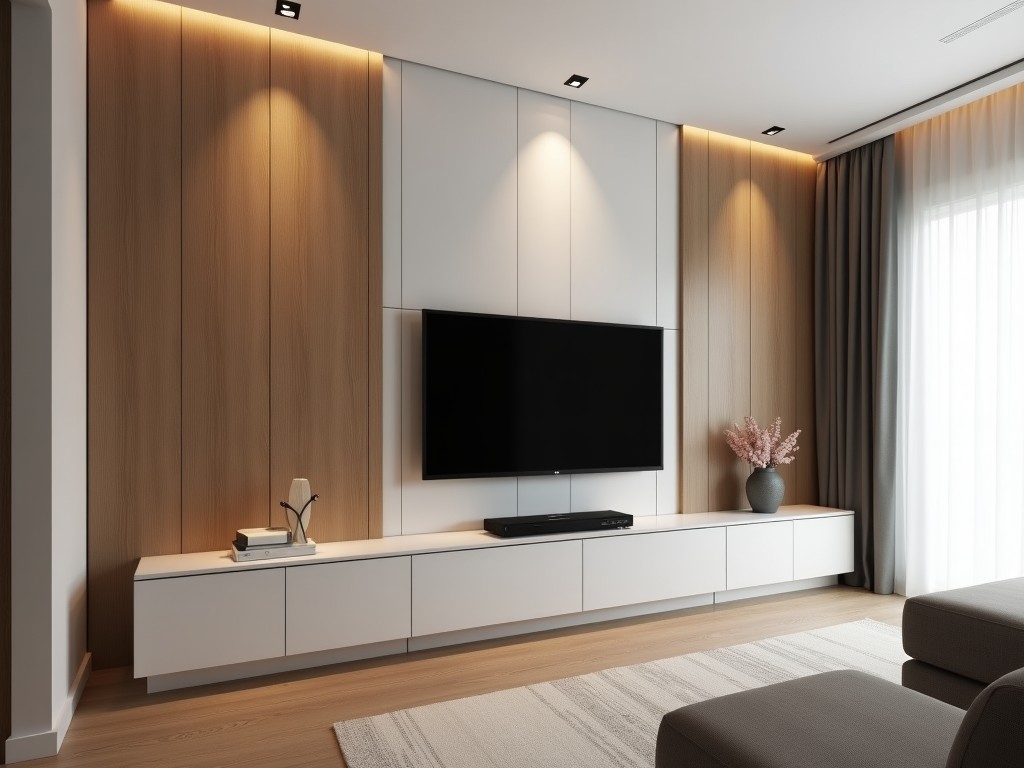
Buy Corner Tv Feature Wall
Designing a corner TV feature wall requires structural integrity, precise load distribution, and compatibility with modern display technologies. Industrial-grade mounting solutions must accommodate
- Category:
- TV Cabinet
Corner TV Feature Wall Systems
Designing a corner TV feature wall requires structural integrity, precise load distribution, and compatibility with modern display technologies. Industrial-grade mounting solutions must accommodate varying screen sizes, weights, and viewing angles while maintaining aesthetic alignment with architectural elements.
Standard residential brackets often lack the rigidity needed for large-format displays in commercial or high-traffic environments. Corner installations introduce unique shear and torsional forces that demand engineered anchoring, reinforced framing, and adjustable leveling mechanisms to prevent long-term sag or misalignment.
A well-designed corner TV feature wall integrates the display into the building’s structural or partition system, reducing stress on drywall or finishes. This approach improves safety, enables cleaner cable management, and supports future upgrades without rework.
Structural Design Considerations
Load calculations must account for both static weight and dynamic forces from vibration or accidental impact. For displays over 50 kg, corner mounts should transfer loads to studs, masonry anchors, or steel framing rather than relying solely on surface adhesives or drywall toggles.
The mounting geometry creates a triangular load path where forces are distributed across vertical and horizontal members. Proper angle bracing—typically at 45°—minimizes deflection. Wall anchors must be rated for shear and tensile loads exceeding 1.5x the expected maximum force.
Thermal expansion of metal components and potential movement in stud walls require floating or slotted connections in one axis. This prevents binding or stress cracking in the display frame or surrounding finish materials over time.
Material and Finish Options
- Primary frame: cold-rolled steel, 1.5–2.5 mm thickness, powder-coated to RAL 9005 or custom colors
- Adjustable arms: extruded aluminum 6063-T5, anodized for corrosion resistance
- Wall interface plates: stainless steel 304, 3 mm thick, with pre-drilled holes for M8/M10 anchors
- Cable management channels: PVC or ABS, fire-rated to UL 94 V-0, snap-fit design
Material selection depends on environmental conditions. In humid or chemically exposed areas, stainless steel or coated aluminum prevents corrosion. Fire-rated assemblies may require intumescent backing or mineral core panels behind the mounting zone.
Load Capacity and Adjustability
| Parameter | Typical Range | Notes |
|---|---|---|
| Max Display Weight | 50–150 kg | Dependent on wall substrate and anchor type |
| Vertical Adjustment | ±25 mm | Slotted holes with locking nuts |
| Tilt Range | 0° to -15° | For glare reduction in bright environments |
| Swivel Range | ±20° | Limited by corner geometry; prevents wall interference |
Adjustment mechanisms use captive nuts and pre-torqued bolts to maintain position under vibration. Detents or friction rings prevent drift while allowing single-tool repositioning. All moving parts are rated for 5,000+ cycles without degradation.
Installation and Integration
Pre-installation verification includes checking wall plumb, locating structural members, and confirming clearance for swing and tilt. A paper template or laser guide ensures accurate hole placement before anchoring.
Electrical and data conduits should be roughed-in during framing. Surface-mounted raceways are acceptable for retrofits but must maintain bend radius limits for HDMI, power, and control cables to avoid signal degradation.
Integration with acoustic panels, lighting coves, or decorative millwork requires coordination of depth and protrusions. The mounting system should allow a minimum 50 mm clearance behind the display for ventilation and service access.
Applications in Commercial and Industrial Settings
Corner TV feature walls are commonly used in control rooms where operators require panoramic visibility without head movement. The angled placement reduces neck strain during extended monitoring shifts.
In retail environments, corner mounts enable dynamic product displays that engage customers from multiple approach paths. The fixed angle ensures consistent branding visibility while minimizing floor space usage.
Corporate lobbies and conference centers use corner installations to create immersive visual backdrops. When paired with ambient lighting and sound-dampening finishes, they enhance audience engagement without dominating the space.
Quality Control and Testing
Each unit undergoes dimensional inspection of critical interfaces: hole patterns, arm alignment, and plate flatness. Torque validation is performed on all fasteners using calibrated drivers to ensure consistent preload.
Load testing applies 1.5x rated weight for 24 hours with periodic deflection measurement. Creep characteristics are recorded to validate long-term stability. Finish adhesion and corrosion resistance are tested per ASTM D3359 and B117 standards where applicable.
Final assembly includes a functional check of all adjustment points. Units are packaged with corner protectors, moisture barriers, and clear labeling of weight limits and anchor specifications.
For project-specific requirements including custom dimensions, finish matching, or integration with architectural systems, contact our technical team to discuss load calculations, material options, and installation support.
Request Technical Consultation


