Wood Grain Kitchen Cabinets
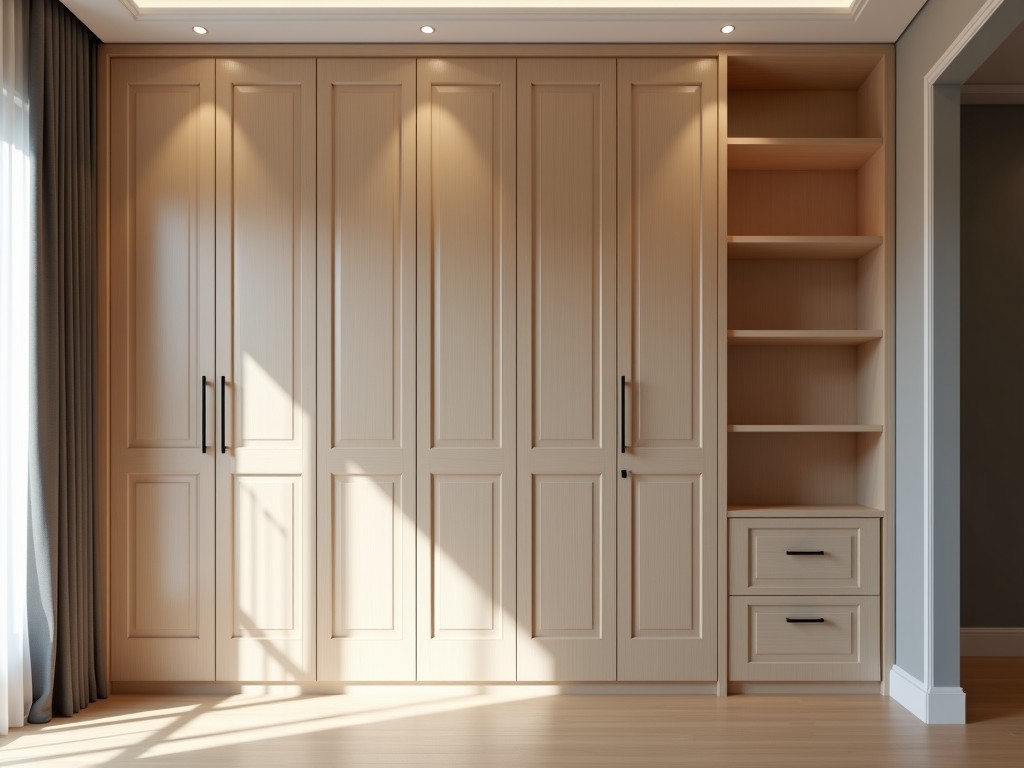
Wood Grain Kitchen Cabinets
Wood grain kitchen cabinets are engineered cabinetry systems that replicate the visual and tactile properties of natural wood through surface treatments applied to stable substrates. Unlike solid
- Category:
- Kitchen Cabinet
Wood Grain Kitchen Cabinets
Wood grain kitchen cabinets are engineered cabinetry systems that replicate the visual and tactile properties of natural wood through surface treatments applied to stable substrates. Unlike solid wood construction, these systems combine dimensional stability with realistic wood aesthetics, making them suitable for environments where moisture, temperature fluctuations, or cost constraints limit the use of raw timber. The surface layer is typically a high-resolution printed laminate, thermofoil, or veneer bonded to a core material such as particleboard, MDF, or plywood, depending on performance requirements.
Core Material Options and Structural Properties
The substrate determines the cabinet’s resistance to sagging, screw holding strength, and moisture response. Particleboard cores offer uniform density and cost efficiency but exhibit lower screw retention and are prone to edge swelling if exposed to prolonged moisture. MDF provides a smooth, homogeneous surface ideal for detailed grain replication and consistent machining, though it is heavier and less resistant to impact than plywood. Plywood cores, constructed from cross-laminated wood veneers, deliver superior strength-to-weight ratio, excellent screw holding, and enhanced moisture resistance due to their layered structure, making them preferred for base cabinets and high-humidity zones.
Core thickness typically ranges from 16mm to 19mm for carcass panels, with 18mm being the most common for balanced rigidity and weight. Edge sealing is critical—exposed edges are banded with matching PVC, ABS, or wood veneer tape to prevent substrate exposure and moisture ingress. The bond between core and surface layer must withstand delamination under cyclic humidity changes; adhesives such as PUR (polyurethane reactive) or EVA (ethylene-vinyl acetate) are selected based on thermal stability and flexibility requirements.
Surface Layer Technologies and Grain Replication
The visual fidelity of wood grain depends on the surface technology employed. High-pressure laminates (HPL) use multiple layers of kraft paper impregnated with melamine resin, topped with a printed decorative layer and a clear overlay, providing excellent abrasion and stain resistance. Thermally fused laminates (TFL) apply the decorative layer directly to the substrate using heat and pressure, offering a cost-effective solution with good durability for vertical surfaces. Thermofoil involves wrapping a PVC film around MDF cores under vacuum, creating a seamless finish ideal for contoured doors but less resistant to heat and UV degradation than laminate options.
Grain replication is achieved through digital printing techniques that capture high-resolution scans of natural wood species. The process considers grain direction, knot distribution, color variation, and gloss levels to avoid repetitive patterns. Surface textures are often embossed to match the printed grain—such as brushed, hand-scraped, or sawn finishes—enhancing realism through both visual and tactile cues. Gloss levels are typically maintained between 5% and 20% for matte to satin appearances, minimizing glare under kitchen lighting while preserving depth perception.
Design Considerations for Kitchen Integration
Cabinet dimensions must align with standard appliance clearances, countertop overhangs, and ergonomic reach zones. Base cabinets are commonly 34.5 inches high (excluding countertop) and 24 inches deep, while wall cabinets range from 12 to 15 inches deep and 30 to 42 inches high. Interior accessories such as pull-out trays, lazy Susans, and drawer organizers require precise internal dimensions; therefore, cabinet boxes are designed with consistent tolerances to accommodate hardware without binding.
Door styles influence both aesthetics and function. Slab doors provide a seamless surface for grain continuity, while raised-panel or shaker styles introduce depth and shadow lines that can enhance or disrupt grain flow depending on orientation. Frameless (European) construction offers full access to the cabinet interior and maximizes storage width, whereas face-frame designs add rigidity and a traditional appearance but reduce usable opening size by approximately 1.5 inches per side. Hinge selection—concealed European hinges versus exposed butt hinges—affects alignment precision, adjustment range, and visual profile.
Performance Characteristics and Environmental Resistance
Surface durability is measured by resistance to abrasion, impact, staining, and chemical exposure. HPL surfaces typically achieve abrasion ratings of 150–300 cycles under Taber testing (CS-10 wheels, 500g load), making them suitable for high-contact areas like cabinet fronts and edges. TFL surfaces generally rate between 50–100 cycles, appropriate for low-wear interior panels. Resistance to common kitchen substances—such as vinegar, coffee, olive oil, and cleaning agents—is evaluated via 24-hour spot tests; surfaces showing no discoloration, blistering, or gloss change are considered suitable for food preparation environments.
Moisture resistance is critical in zones near sinks, dishwashers, and cooking surfaces. Edge sealing effectiveness is tested via 24-hour submersion tests; well-sealed edges show less than 2% thickness swell. Core materials vary in performance: MDF cores may swell 5–10% at the edges if unsealed, while plywood cores typically exhibit <3% swell under the same conditions. Thermal stability is assessed by exposing samples to 70°C for 8 hours; acceptable surfaces show no delamination, bubbling, or significant color shift (>ΔE 3.0 in CIELAB space).
Customization and Manufacturing Flexibility
Customization extends beyond dimensions to include grain orientation, color matching, and surface texture. Grain direction can be aligned vertically on tall panels for a continuous look or horizontally on wall cabinets to emphasize width. Color matching to existing elements—such as flooring, countertops, or appliances—is achievable through spectrophotometer-based formulation, allowing for batch-to-batch consistency within ΔE < 1.5. Surface textures can be selected from standardized libraries or developed from customer-provided samples, enabling replication of specific wood species, reclaimed finishes, or custom distressing patterns.
Hardware integration is designed during the engineering phase. Pre-drilled holes for hinges, drawer slides, and shelf pins are placed according to industry standards (e.g., 32mm hole spacing systems) to ensure compatibility with a wide range of accessories. Edge banding can be applied in matching or contrasting colors to create design accents. For projects requiring fire resistance or low VOC emissions, substrates and surface treatments can be selected to meet standards such as CARB Phase 2, FSC certification, or EN 717-1 for formaldehyde limits.
Typical Specifications Table
| Property | Typical Range | Notes |
|---|---|---|
| Core Material | Particleboard, MDF, Plywood | Selected based on load, moisture, and cost |
| Core Thickness | 16–19 mm | 18 mm standard for carcass |
| Surface Type | HPL, TFL, Thermofoil, Veneer | HPL highest durability, TFL cost-effective |
| Surface Thickness | 0.2–0.8 mm | Dependent on technology (e.g., laminate vs. foil) |
| Abrasion Resistance (HPL) | 150–300 Taber cycles | CS-10 wheels, 500g load |
| Edge Swell (24hr submersion) | <2% (well-sealed) | Measured on thickness increase |
| Gloss Level | 5–20% | Matte to satin finish typical |
| Formaldehyde Emission | ≤0.1 ppm (CARB Phase 2) | Available upon request |
| Standard Width (Wall Cabinet) | 15–36 mm | 3 mm increments common |
| Standard Height (Base Cabinet) | 34.5 in (excluding countertop) | Adjustable legs for leveling |
Applications in Commercial and Residential Kitchens
In residential settings, wood grain cabinets provide a warm, natural aesthetic without the maintenance demands of solid wood—such as seasonal expansion/contraction or refinishing needs. They are particularly valuable in rental properties or multi-unit housing where durability and consistent appearance across units reduce turnover costs. In commercial environments like cafes, boutique hotels, or office break rooms, these cabinets deliver a high-end appearance at a lower lifecycle cost than solid wood, especially when paired with moisture-resistant cores and UV-stable surfaces to withstand frequent use and cleaning cycles.
The ability to replicate exotic or endangered wood species—such as walnut, cherry, or teak—without contributing to deforestation supports sustainable design goals. Projects seeking LEED or WELL certification often specify these cabinets due to low-emitting material options and recycled content potential in core substrates. For healthcare or food serviceadjacent areas, surfaces can be selected with antimicrobial additives or seamless thermofoil finishes to minimize crevices where contaminants might accumulate, aligning with hygiene protocols while maintaining visual appeal.
Quality Control and Inspection Protocols
Quality assurance begins with incoming material verification—core density, moisture content, and surface layer adhesion are tested before production. During manufacturing, continuous monitoring of press temperature, pressure, and cycle time ensures consistent bond strength. Post-lamination, panels undergo visual inspection under standardized lighting (D50, 500 lux) to detect color variation, grain misalignment, or surface defects such as bubbles, scratches, or insufficient embossing. Dimensional checks confirm squareness, flatness, and thickness tolerances (±0.2 mm for thickness, ±0.5 mm for length/width).
Functional testing includes hinge endurance (minimum 50,000 cycles), shelf load capacity (typically 15–25 kg per shelf depending on span and support), and door alignment after 1,000 open/close cycles. For projects with specific requirements, additional tests such as accelerated weathering (UV exposure + humidity cycling), scratch resistance (using standardized tools), or adhesion tape tests (per ASTM D3359) can be performed. Inspection reports, including test data and material traceability, are available upon request for regulated industries.
Packaging is designed to prevent damage during transit. Panels are separated by corrugated dividers or foam edge protectors, then stacked on pallets with stretch film and corner boards. For export, moisture barriers and desiccants are included to control humidity within the package. Labeling includes product code, batch number, core material, surface type, and handling instructions. Lead times vary based on customization level but typically range from 4–6 weeks for standard configurations to 8–12 weeks for highly tailored projects requiring new tooling or special material sourcing.



