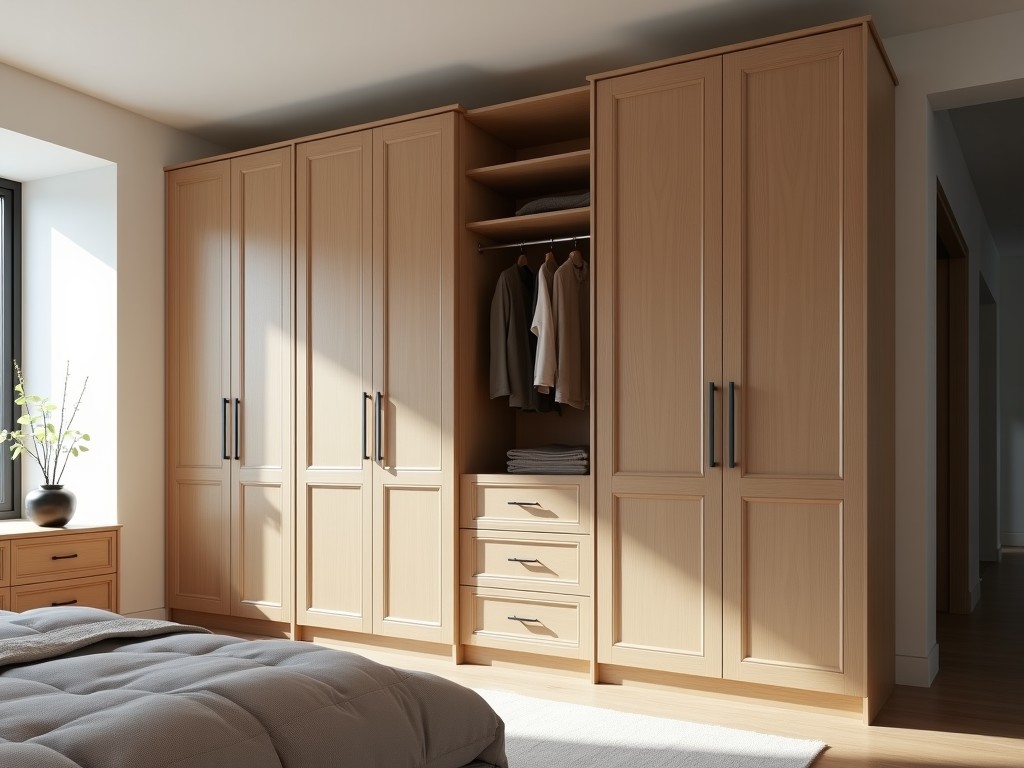
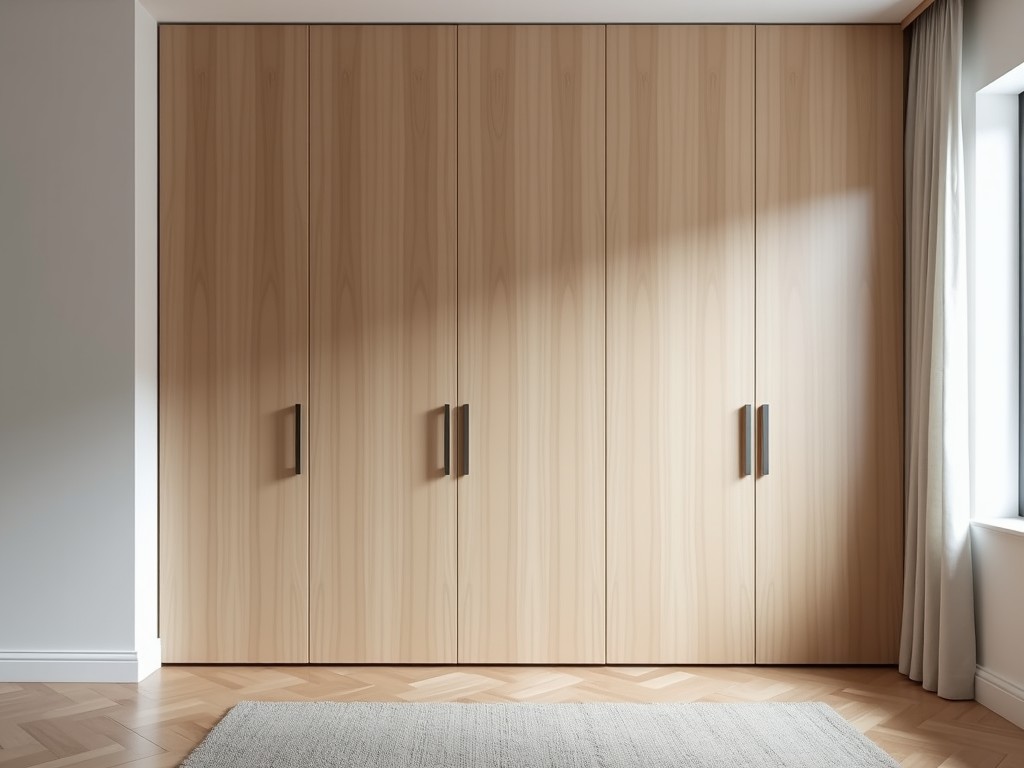
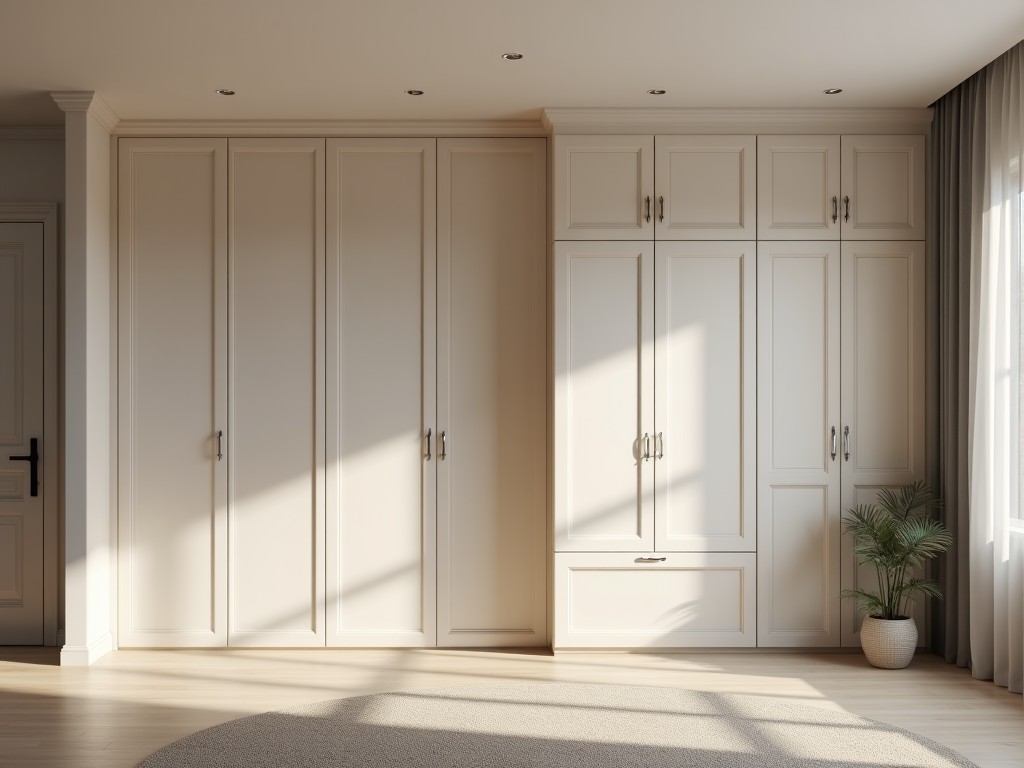
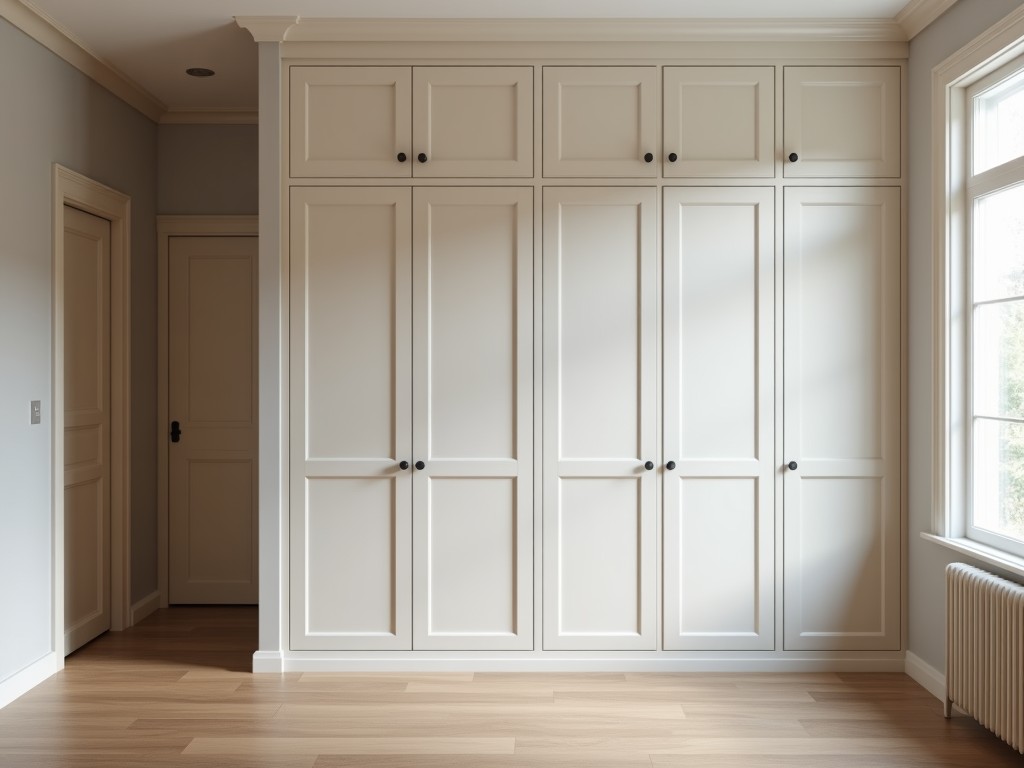
Soft Close Solid Wood Kitchen Cabinets
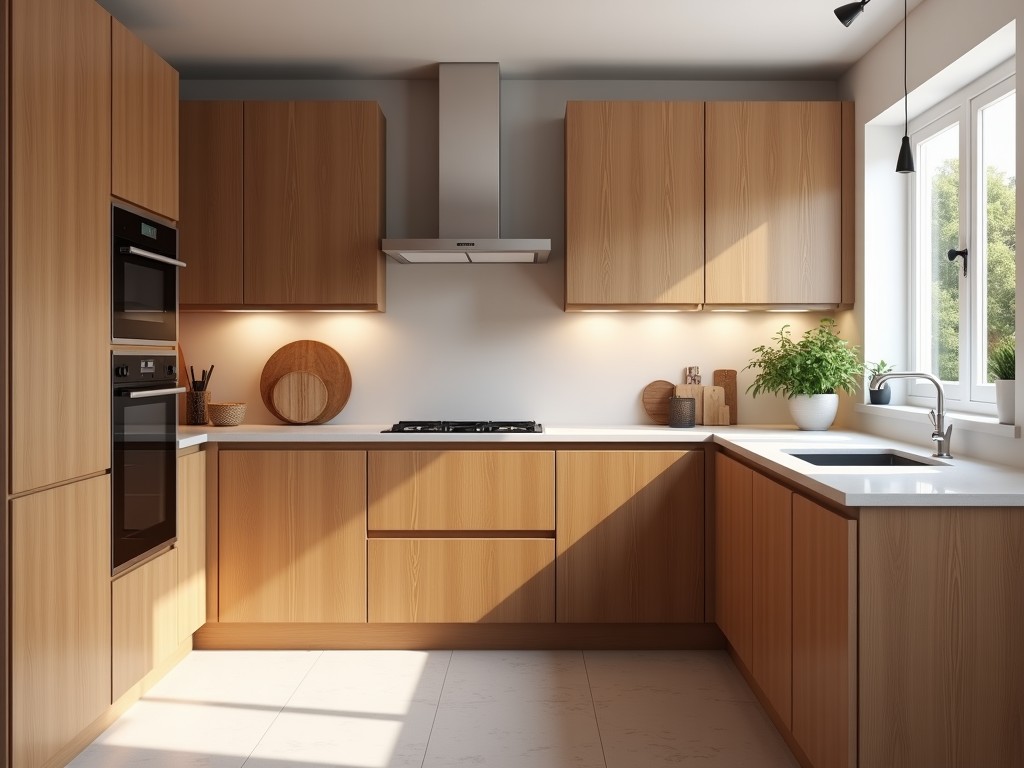
Soft Close Solid Wood Kitchen Cabinets
Soft close solid wood kitchen cabinets integrate precision damping mechanisms with kiln-dried hardwood construction to deliver controlled door and drawer motion while maintaining structural integrity
- Category:
- Kitchen Cabinet
Soft Close Solid Wood Kitchen Cabinets
Soft close solid wood kitchen cabinets integrate precision damping mechanisms with kiln-dried hardwood construction to deliver controlled door and drawer motion while maintaining structural integrity under daily use. The system combines engineered hinges or slides with viscoelastic dampers that absorb kinetic energy during closure, reducing impact velocity to near zero within 0.3–0.5 seconds. This technology minimizes wear on joints, prevents slab deflection, and extends service life in high-cycle environments such as commercial kitchens, multi-family housing, and institutional food service.
Cabinet boxes are typically constructed from ¾-inch thick hardwood plywood or solid hardwood stiles and rails, joined with dado, rabbet, or mortise-and-tenon joints reinforced with wood glue and pneumatic pin nails. Door panels utilize 5-piece construction with floating center panels to accommodate seasonal wood movement, preventing cracks or warping. Surface finishes include catalyzed conversion varnish, UV-cured acrylic, or water-based polyurethane, applied in multiple coats to achieve 40–60 mil dry film thickness for moisture and abrasion resistance.
Technical Specifications
| Parameter | Typical Value | Notes |
|---|---|---|
| Door Thickness | ¾ in (19 mm) | Solid hardwood or veneered plywood core |
| Box Construction | ¾ in hardwood plywood | Dado joints, glue, and pin nails |
| Soft Close Mechanism | Integrated hinge or slide damper | Activation angle: 10–20° from closed |
| Cycle Life | 50,000+ cycles | ANSI/BHMA A156.9 compliant |
| Finish Hardness | 2H–3H pencil hardness | ASTM D3363 |
| Moisture Content | 6–8% at shipment | Kiln-dried to equilibrium |
Material Selection and Stability
Hardwood species selection directly influences dimensional stability, machinability, and finish adhesion. Commonly used species include maple, birch, oak, and ash, each selected for specific grain structure and moisture movement characteristics. Maple and birch exhibit low tangential expansion (0.0017–0.0020 in/in/%RH), making them suitable for humid environments, while oak and ash offer higher hardness but require tighter humidity control (±5% RH) to prevent joint stress.
Core materials are typically 3-ply or 5-ply hardwood plywood with cross-banded veneers to balance internal stresses. Face veneers are rotary-cut or plain-sliced, matched for color and grain flow across door and drawer fronts. Edge banding uses solid hardwood or veneer tape, heat-activated with hot-melt adhesive, ensuring seamless transitions and resistance to delamination under thermal cycling.
Joinery methods are chosen based on load path and stress concentration. Dado joints provide maximum shear resistance for cabinet sides to floor panels, while mortise-and-tenon joints dominate frame construction where racking forces are prevalent. All joints are preconditioned with aliphatic resin glue, achieving shear strength exceeding 1,800 psi after 24-hour cure at 70°F and 50% RH.
Soft Close Mechanism Design
The soft close function is achieved through hydraulic or viscous dampers integrated into cabinet hinges or drawer slides. In hinge systems, a piston and cylinder filled with silicone-based fluid resist motion during the final 10–20° of closure, converting kinetic energy into heat. Drawer slides use a similar principle with a drag brake mechanism that engages during the last inch of travel, providing consistent deceleration regardless of closing speed.
Damper torque is calibrated to door mass and center of gravity, typically ranging from 0.15 to 0.35 Nm for standard cabinet doors (8–12 lb). Heavier doors (e.g., solid oak, 18–22 lb) require higher-torque dampers or dual-cylinder designs to maintain consistent closing speed. Adjustment screws allow field tuning of closing speed and latch engagement to accommodate settling or seasonal humidity changes.
Cycle testing confirms performance durability: dampers maintain consistent closing time (±10%) after 50,000 cycles at 10 cycles per minute. Fluid viscosity degradation is minimal (<5%) over 5 years under normal indoor conditions. Mechanisms are sealed to prevent dust ingress and lubricant migration, ensuring long-term reliability without maintenance.
Applications in Industrial and Commercial Settings
Soft close solid wood cabinets are specified in environments where noise reduction, safety, and equipment protection are critical. In healthcare facilities, quiet closure minimizes disturbance in patient rooms and corridors, supporting healing environments. In laboratories, controlled motion prevents spillage of reagents or damage to sensitive equipment stored within cabinets. The elimination of slamming reduces vibrational fatigue on wall anchors and ceiling suspensions in modular wall systems.
In commercial kitchens and food processing plants, the system protects contents from impact damage during high-traffic operation. Doors and drawers closing softly prevent jars, utensils, and containers from shifting or breaking, reducing waste and cleanup time. The absence of metal-on-metal impact also minimizes particulate generation, supporting hygiene standards in food-safe zones.
Multi-family housing developers specify these cabinets to enhance tenant satisfaction and reduce warranty claims related to hardware failure. The controlled closing action decreases wear on hinges, slides, and cabinet corners, extending maintenance intervals. Acoustic performance contributes to STC ratings in party wall assemblies, meeting local building code requirements for sound transmission between units.
Customization and Engineering Support
Dimensional customization is available to accommodate non-standard openings, appliance integrations, or accessibility requirements. Cabinet depth, width, and height can be modified in 1/16-inch increments, with corresponding adjustments to shelf placement, hinge location, and drawer slide length. Custom stiles and rails are fabricated to match existing profiles for renovation projects, ensuring visual continuity.
Finish options extend beyond standard stains and paints to include glazes, distressing, and textured coatings for specific design languages. Edge profiles can be shaped (e.g., ogee, bevel, bullnose) to match architectural millwork. Interior accessories such as pull-out trays, lazy Susans, and drawer organizers are engineered to integrate with the soft close system without interfering with damper function.
Engineering support includes load analysis for wall mounting, seismic bracing recommendations, and ADA compliance verification for height and reach requirements. Shop drawings are generated from CAD models, including section details, hardware schedules, and finish specifications. Prototyping and sample doors are available for validation before full production.
Quality Control and Testing
Quality assurance begins with incoming material inspection: moisture content is verified via pin or capacitance meters, rejecting stock outside 6–8% MC. Hardwood plywood is checked for core voids, face veneer defects, and adhesive bond strength using ASTM D905. Solid wood components are inspected for grain slope, knots, and splits per NHLA grading rules.
In-process checks include joint fit verification, squareness measurement (±1/16″ over 36″), and sanding uniformity. Finish application is monitored for wet film thickness using gauges, with dry film hardness tested post-cure. Assembly checks confirm door alignment, reveal consistency, and soft close activation point.
Final testing comprises cycle operation (50 doors/drawer units), impact resistance (steel ball drop per KCMA A161.1), and humidity conditioning (24 hrs at 90% RH followed by 24 hrs at 20% RH). Units are inspected for finish cracking, joint movement, or mechanism failure. Only units passing all tests are cleared for shipment, with test reports available upon request.
For technical inquiries, custom quotes, or sample requests, contact our engineering team to discuss project-specific requirements.
Request Technical Consultation