Oem Boho Cream Kitchen Cabinetry
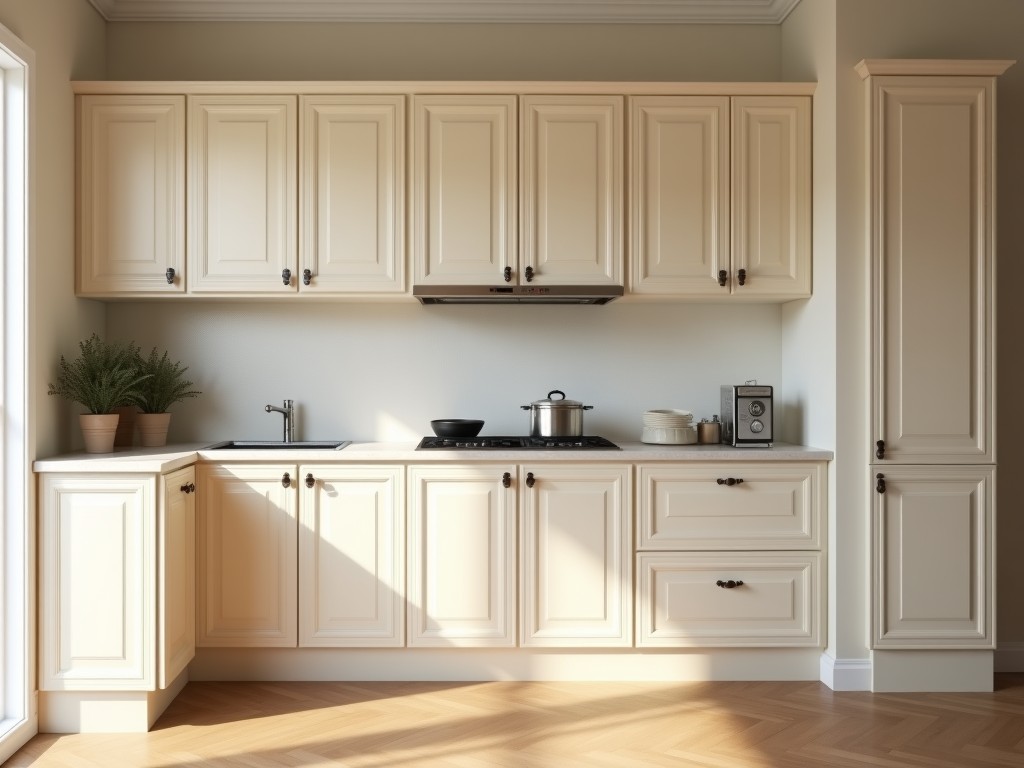
Oem Boho Cream Kitchen Cabinetry
Boho cream kitchen cabinetry combines the warmth of natural tones with the relaxed, textured aesthetic of bohemian design. For OEM applications, this style requires careful material selection and
- Category:
- Kitchen Cabinet
OEM Boho Cream Kitchen Cabinetry
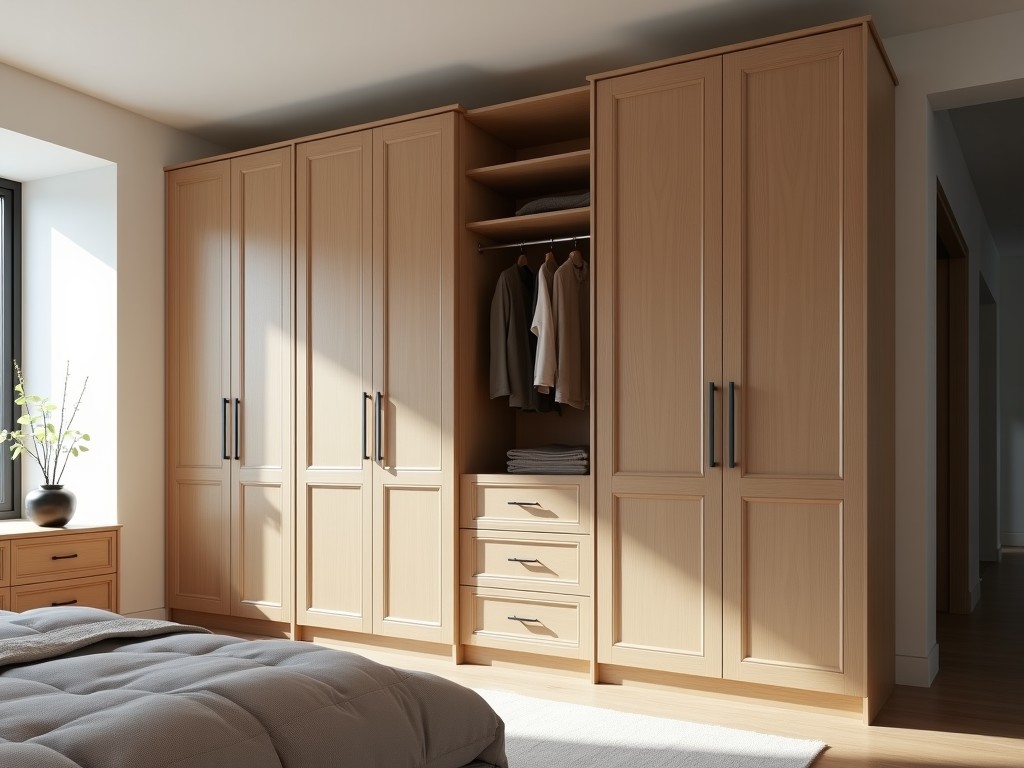
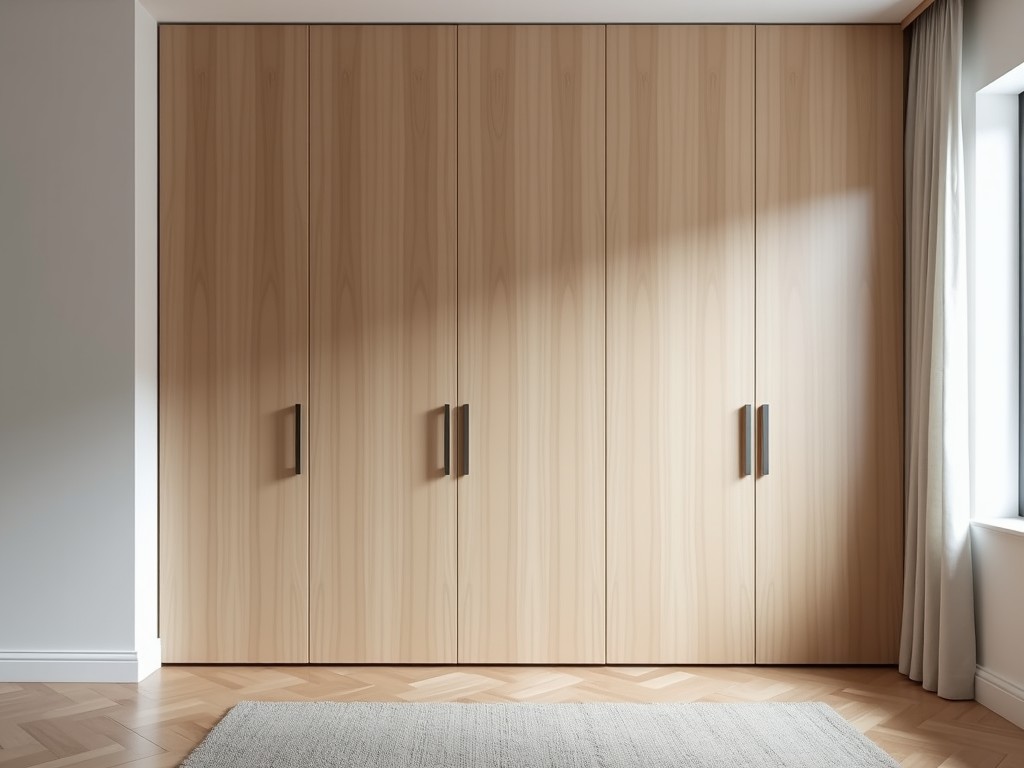
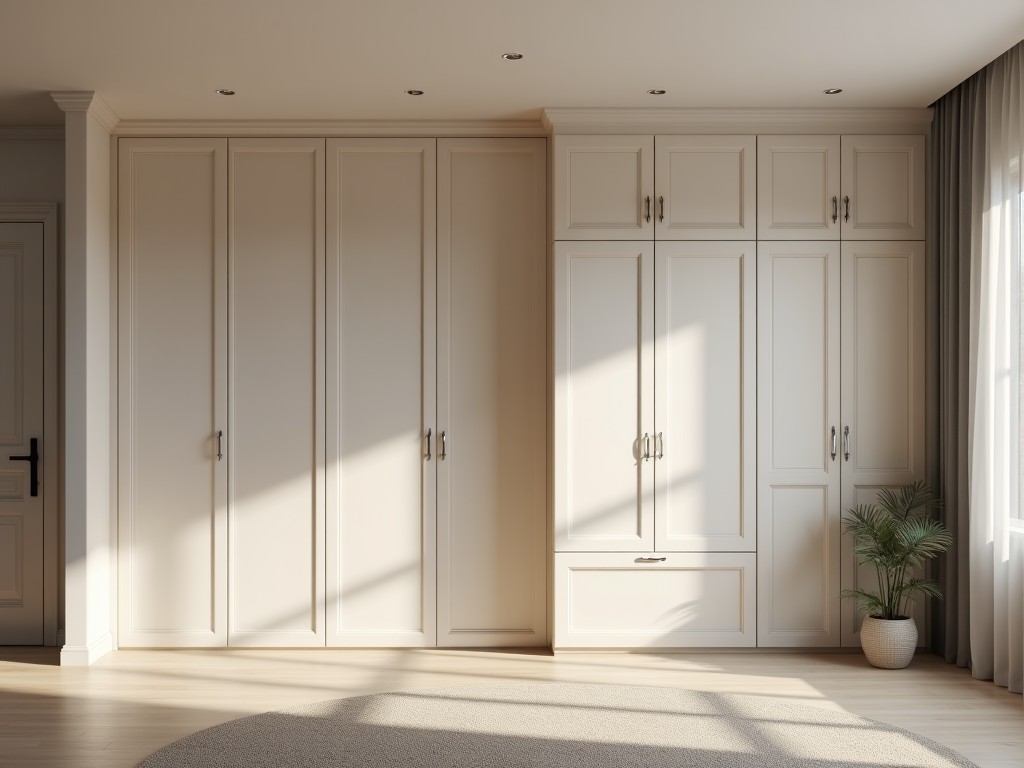
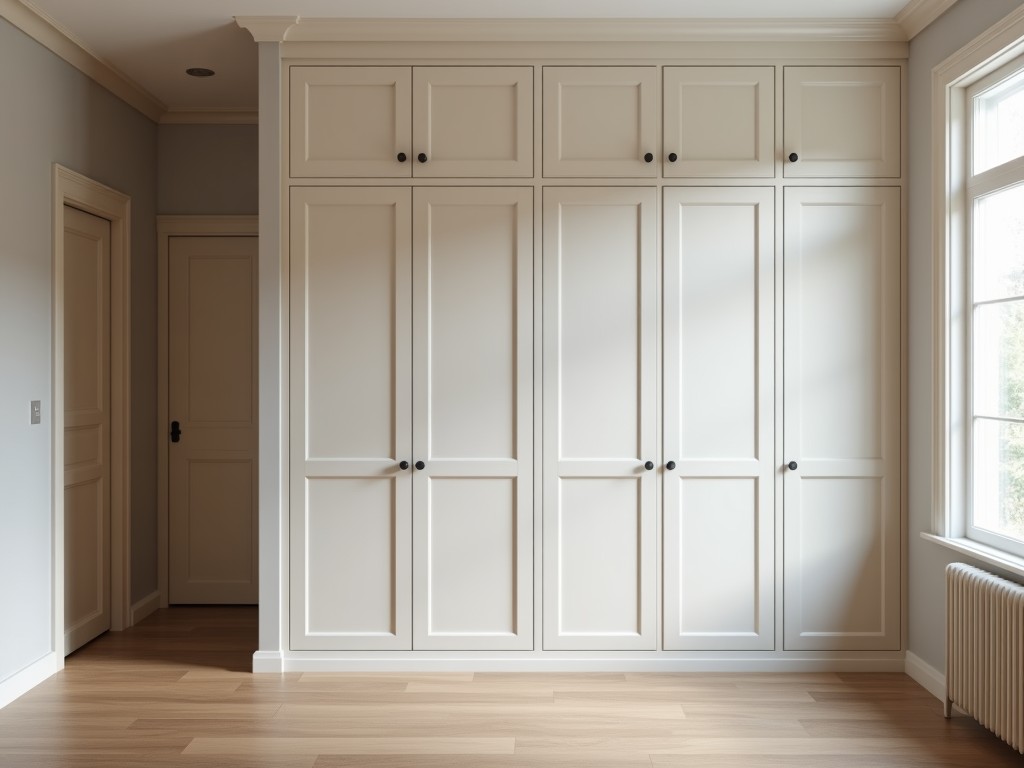
Boho cream kitchen cabinetry combines the warmth of natural tones with the relaxed, textured aesthetic of bohemian design. For OEM applications, this style requires careful material selection and finish engineering to balance visual appeal with the durability demanded in high-use kitchen environments.
The cream base is typically achieved through pigmented coatings or stained substrates, avoiding pure white to reduce glare and enhance depth. Surface texture is introduced via techniques such as hand-scraping, wire-brushing, or layered glazing to create the organic, lived-in look characteristic of boho styling without compromising cleanability.
Material Substrates for OEM Production
Substrate selection directly impacts long-term performance in humid, temperature-variable kitchen environments. Common options include multi-ply plywood with cross-banded veneers for dimensional stability, medium-density fiberboard (MDF) with moisture-resistant additives for smooth finish adhesion, and solid wood components for framing where structural integrity is critical.
Plywood substrates typically use 5-7 plies with exterior-grade adhesive, providing resistance to delamination under cyclic humidity changes. MDF cores are engineered with paraffin wax and melamine resin to limit thickness swelling to under 5% after 24-hour water immersion testing. Solid wood elements are kiln-dried to 6-8% moisture content and finger-jointed to minimize warp.
Finish Systems and Surface Engineering
The boho cream appearance relies on multi-layer finish systems that combine color penetration with surface texture. A typical sequence includes: substrate preparation (sanding to 120-150 grit), application of a pigmented base coat (water-based or UV-cured acrylate), hand-applied glaze for tonal variation, and a protective topcoat (polyurethane or acrylic urethane) for abrasion and chemical resistance.
Topcoat formulations are selected based on expected exposure: waterborne urethanes offer low VOC emissions and good clarity for light cream tones, while acid-cured finishes provide superior hardness (typically 2H-3H pencil hardness) for high-traffic installations. Glaze layers are formulated with controlled pigment load to ensure color consistency across production runs while allowing for intentional variation that defines the boho aesthetic.
Customization and Dimensional Flexibility
OEM production accommodates custom dimensions, door styles, and hardware integration to match specific kitchen layouts. Standard cabinet depths range from 300mm (wall units) to 600mm (base units), with heights adjustable in 50mm increments to accommodate ceiling variations and appliance integration.
Door styles include slab, shaker, and raised panel profiles, all adaptable to the boho cream finish. Internal accessories such as pull-out trays, lazy Susans, and drawer dividers are engineered using the same substrate and finish systems to maintain visual cohesion. Hardware mounting points are pre-drilled using CNC templates to ensure alignment within ±0.5mm tolerance.
Quality Control and Testing Protocols
Each production batch undergoes standardized testing to verify finish adhesion, color consistency, and environmental resistance. Adhesion is measured via cross-hatch test (ASTM D 3359, with acceptable results requiring no more than 5% coating removal. Color matching is evaluated under D50 lighting using spectrophotometric analysis, with ΔE values kept under 1.5 units between samples.
Humidity resistance is tested using cyclic exposure (30% to 90% RH at 25°C) over 14 days, with visual inspection for checking, blushing, or delamination. Abrasion resistance is assessed via Taber abrasion tester (CS-10 wheels, 500g load), targeting less than 50mg weight loss per 1000 cycles for topcoat durability.
| Test Parameter | Standard Method | Acceptance Criteria |
|---|---|---|
| Adhesion | ASTM D3359 | ≤5% coating removal |
| Color Consistency (ΔE) | Spectrophotometry (D50) | ≤1.5 units |
| Humidity Resistance | Cyclic RH 30-90% | No visual defects |
| Abrasion Resistance | Taber CS-10, 500g | ≤50mg loss/1000 cycles |
Packaging for OEM shipment includes corner protectors, edge guards, and moisture-barrier wrapping to prevent finish damage during transit. Units are typically packed in flat-pack configuration with clearly labeled hardware kits and assembly instructions to reduce on-site installation time.
Lead times depend on order complexity and finish customization, with standard boho cream configurations typically requiring 4-6 weeks from approved drawing to shipment. Expedited options are available for projects with critical timelines, subject to production capacity validation.