Luxury Italian Modular Kitchen Cabinets
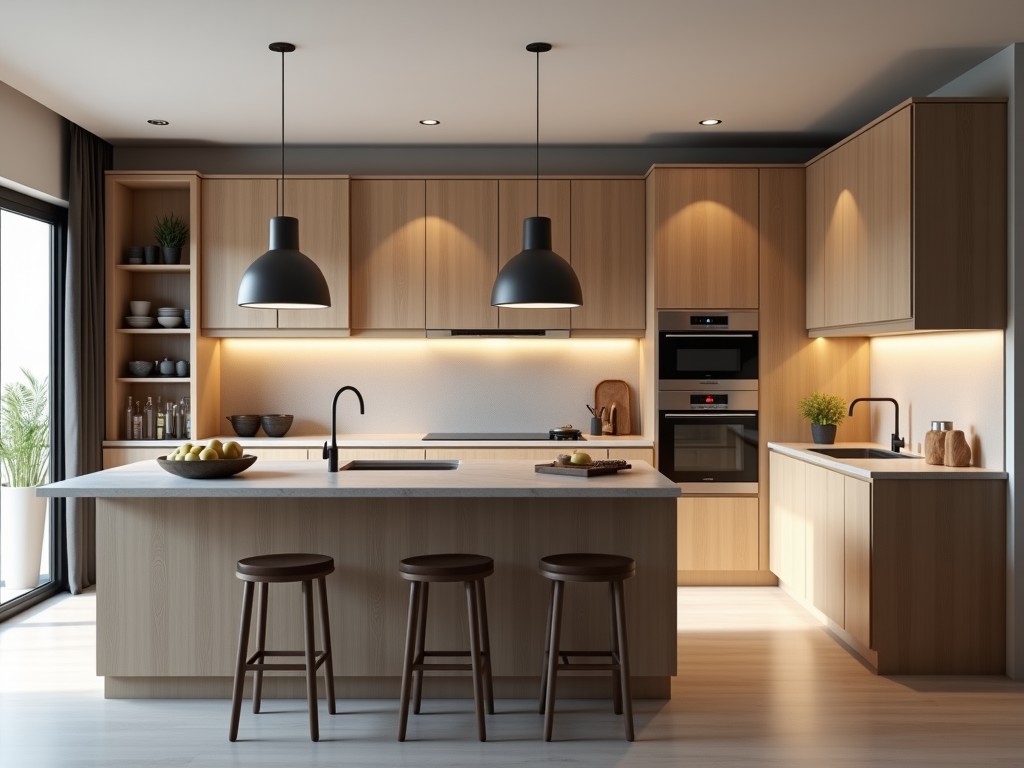
Luxury Italian Modular Kitchen Cabinets
Italian modular kitchen cabinets combine precision engineering with material science to deliver cabinetry systems designed for demanding residential and commercial environments. These systems are
- Category:
- Kitchen Cabinet
Luxury Italian Modular Kitchen Cabinets
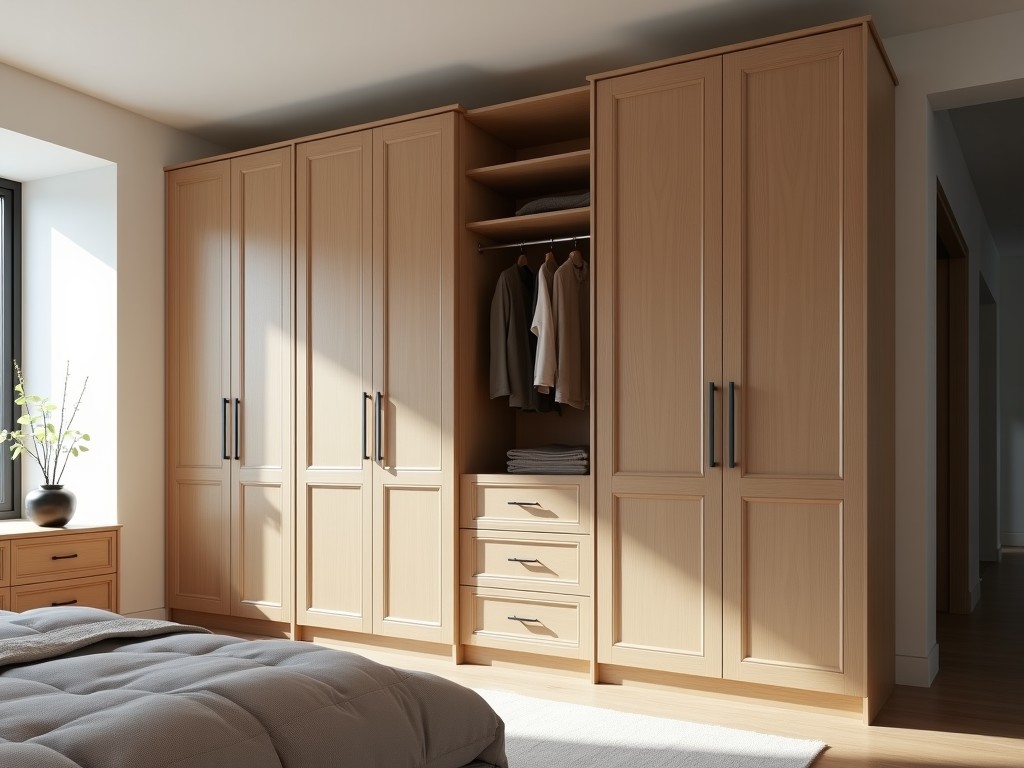
Italian modular kitchen cabinets combine precision engineering with material science to deliver cabinetry systems designed for demanding residential and commercial environments. These systems are built around standardized dimensional modules, typically based on 300mm increments, allowing for predictable assembly, replacement, and integration with appliances, plumbing, and electrical services.
The core structure uses engineered wood substrates such as moisture-resistant MDF or particleboard, bonded with low-emission adhesives (E1 or E0 class) to ensure dimensional stability under varying humidity conditions. Panel thickness ranges from 16mm to 18mm for carcasses, with door and drawer fronts often utilizing 19mm to 22mm substrates for enhanced rigidity and impact resistance.
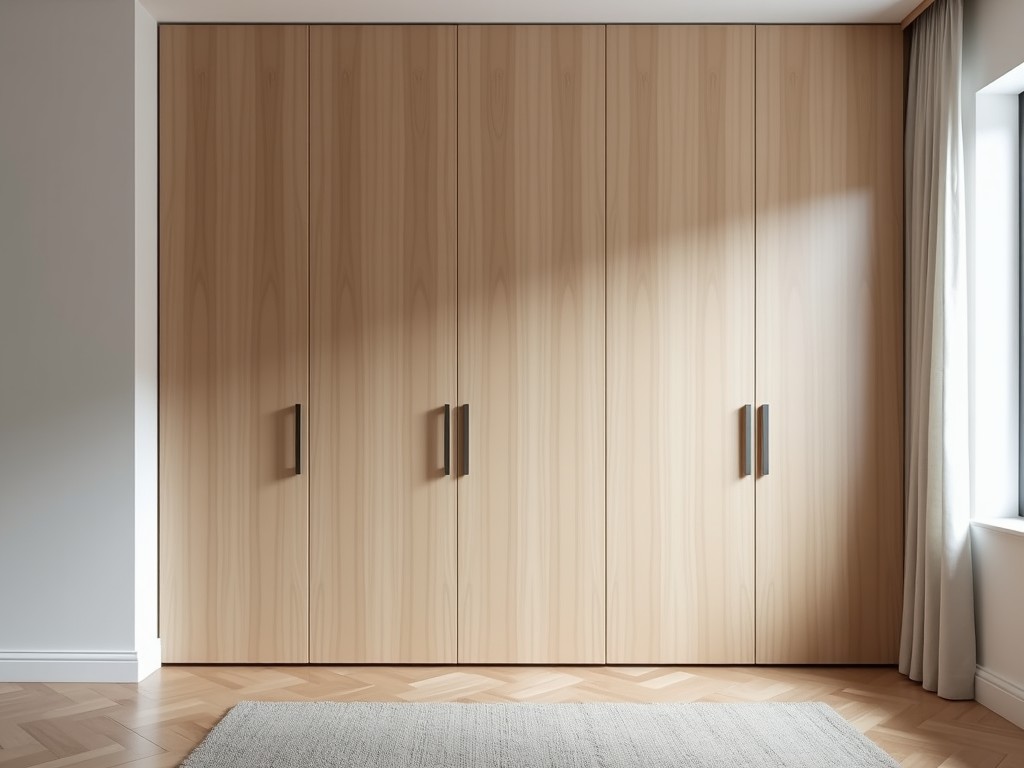
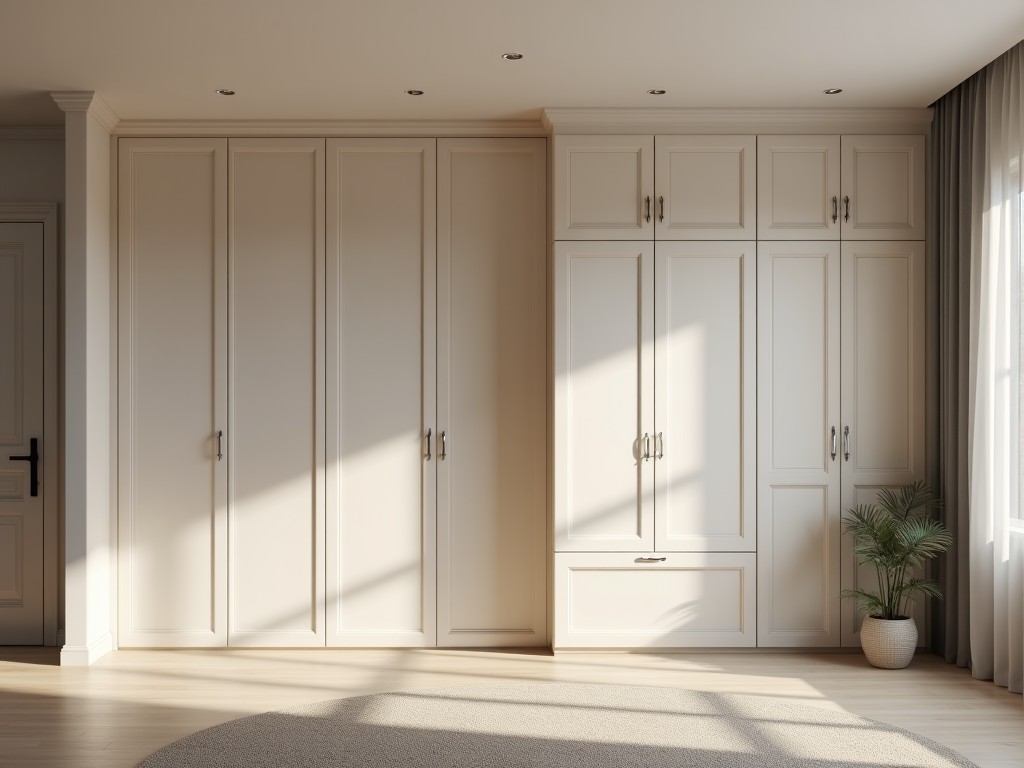
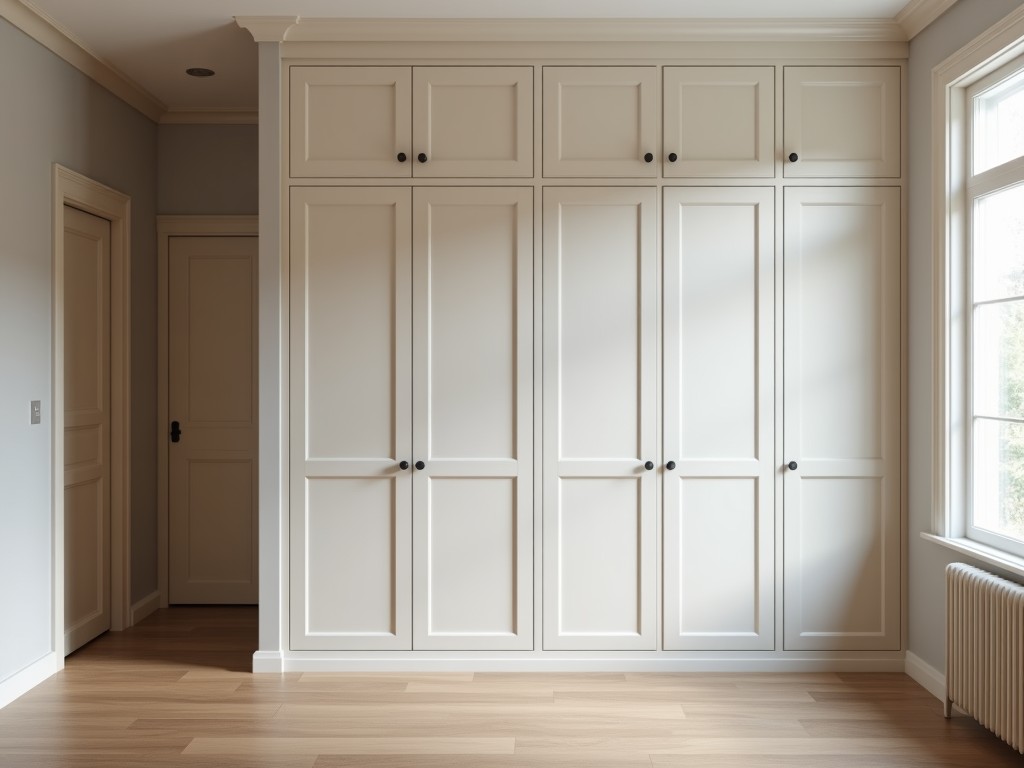
Surface finishes are applied through multi-stage processes including vacuum pressing, UV curing, or thermal fusion to achieve consistent adhesion and durability. Common finishes include high-pressure laminates (HPL), melamine-faced panels, lacquers (polyester or polyurethane), and real wood veneers, each selected based on abrasion resistance, chemical exposure tolerance, and aesthetic requirements.
Material Selection and Performance Characteristics
Substrate choice directly influences long-term performance in high-moisture zones such as sink surrounds and dishwasher enclosures. Moisture-resistant MDF exhibits a thickness swelling rate of less than 5% after 24 hours of water immersion, while standard particleboard may exceed 12%, making substrate specification critical for wet areas.
Edge banding is applied using hot-melt or laser-based systems to seal panel edges against moisture ingress. Laser edge banding creates a zero-glue-line joint, eliminating delamination risks over time and improving cleanability in hygienic environments. Edge thickness typically ranges from 0.8mm to 2.0mm, with PVC, ABS, or acrylic materials selected based on impact resistance and thermal stability.
Hardware components — including hinges, drawer slides, and lift mechanisms — are engineered for specific load cycles. Soft-close hinges are rated for 80,000 to 100,000 cycles, while full-extension drawer slides support dynamic loads of 30kg to 50kg per pair, depending on slide length and ball bearing quality. These specifications ensure consistent operation over 15+ years of daily use.
Modular System Design and Integration
The modular framework relies on precise dimensional tolerances, typically ±0.5mm for panel cutting and ±1.0mm for cabinet assembly, to ensure seamless alignment during installation. This precision allows for on-site adjustments using shims or adjustable legs without compromising structural integrity or creating visible gaps.
Standard base cabinets are 600mm high (including legs), wall cabinets range from 300mm to 900mm in height, and tall units extend to 2100mm or 2400mm to accommodate pantry or appliance integration. Depths are standardized at 600mm for base and wall units, with tall units often reaching 600mm to 650mm to align with refrigerator and oven specifications.
Internal accessories — such as pull-out trays, corner carousels, and vertical dividers — are designed as interchangeable modules that mount to standardized hole patterns (typically 32mm grid system) inside the carcass. This allows for reconfiguration over time without modifying the cabinet structure, supporting lifecycle adaptability in renovation projects.
Comparison of Finish Types
| Finish Type | Abrasion Resistance (Taber Cycles) | Moisture Resistance | UV Stability | Typical Applications |
|---|---|---|---|---|
| High-Pressure Laminate (HPL) | 300–600 | Excellent | Good | Base cabinets, countertops, high-wear zones |
| Melamine-Faced Panel | 100–200 | Moderate | Fair | Wall cabinets, interior shelves, low-contact areas |
| Polyurethane Lacquer | 150–250 | Good (with edge sealing) | Very Good | Door fronts, visible surfaces, design-focused installations |
| Real Wood Veneer | 50–150 | Moderate (requires sealing) | Poor to Fair | Premium facades, accent panels, low-traffic zones |
Customization and Project-Specific Adaptation
While standardized modules ensure interchangeability, luxury Italian systems accommodate project-specific variations through adjustable parameters. Cabinet heights can be modified in 50mm increments using variable leg systems or recessed plinths, allowing for alignment with uneven floors or custom countertop thicknesses.
Width adjustments are achieved through filler panels or custom-cut carcasses, typically within ±50mm of standard modules, to accommodate architectural constraints such as uneven walls or obstructed service routes. These modifications are engineered to maintain structural continuity and load distribution.
Interior configurations are tailored using modular accessories that mount to the 32mm grid system. Options include adjustable shelving, bottle racks, waste sorting units, and appliance garages, each designed to specific load and dimensional requirements. This approach supports both initial design flexibility and future reconfiguration without cabinet replacement.
Quality Control and Manufacturing Consistency
Production follows ISO 9001-aligned processes with in-line checks at critical stages: panel cutting accuracy, adhesive bond strength (tested via peel resistance), edge banding integrity (measured by peel force >1.5 N/mm), and finish uniformity (assessed via gloss meter and color delta-E <2.0). These controls ensure batch-to-batch consistency across large-scale projects.
Each cabinet undergoes functional testing prior to packaging: door alignment (gap variation <1.5mm), drawer smoothness (force <5N to initiate motion), and hardware cycle simulation (minimum 5,000 open/close cycles). Packaging uses corner protectors, edge guards, and humidity-barrier wrapping to prevent damage during transit and storage.
Documentation includes material safety data sheets (MSDS) for finishes, FSC or PEFC certification for wood-based substrates upon request, and declaration of conformity for low VOC emissions. These records support compliance with indoor air quality standards such as CARB Phase 2 or EU Ecolabel requirements.