French Cream Kitchen Cabinets
French Cream Kitchen Cabinets
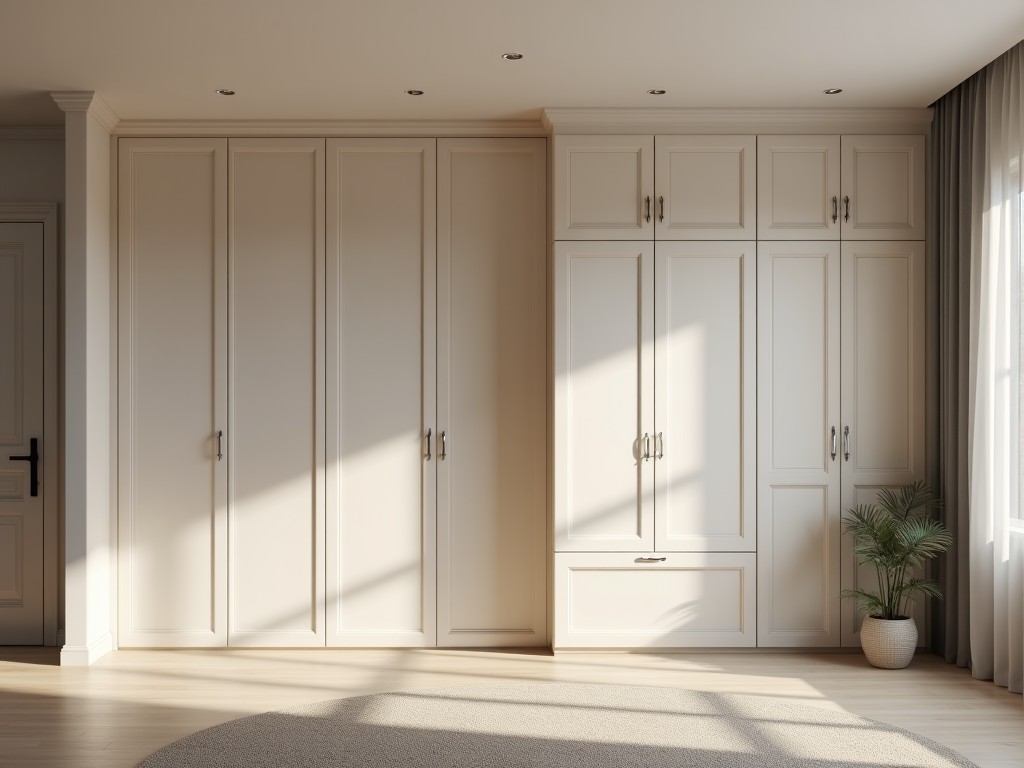
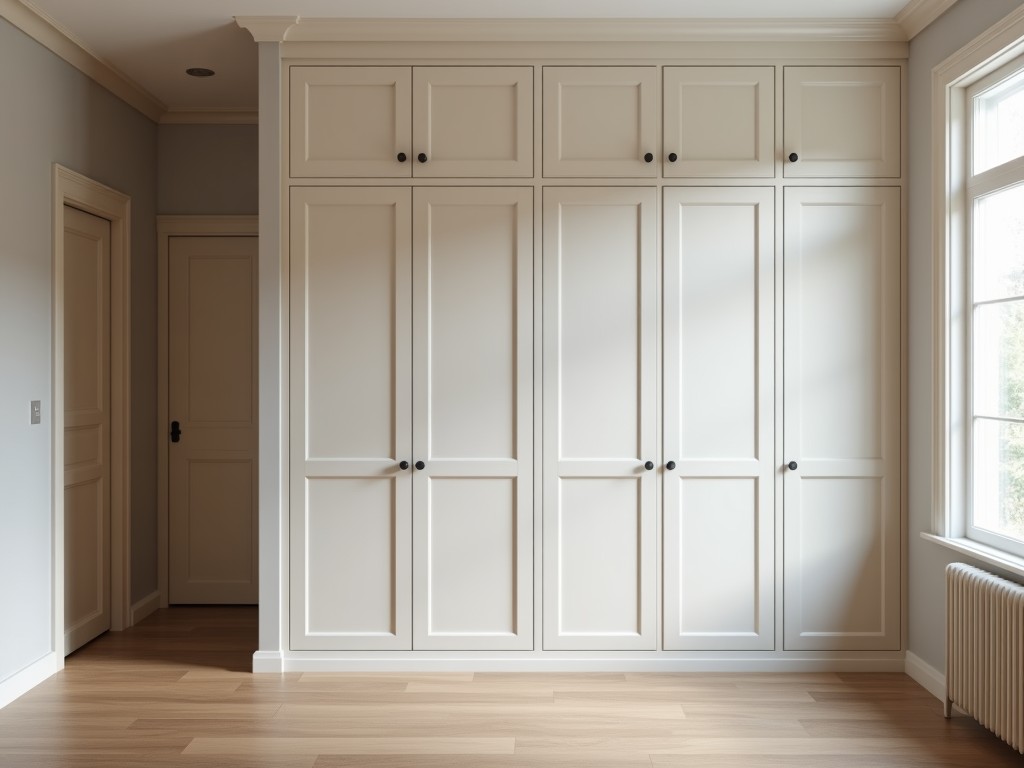
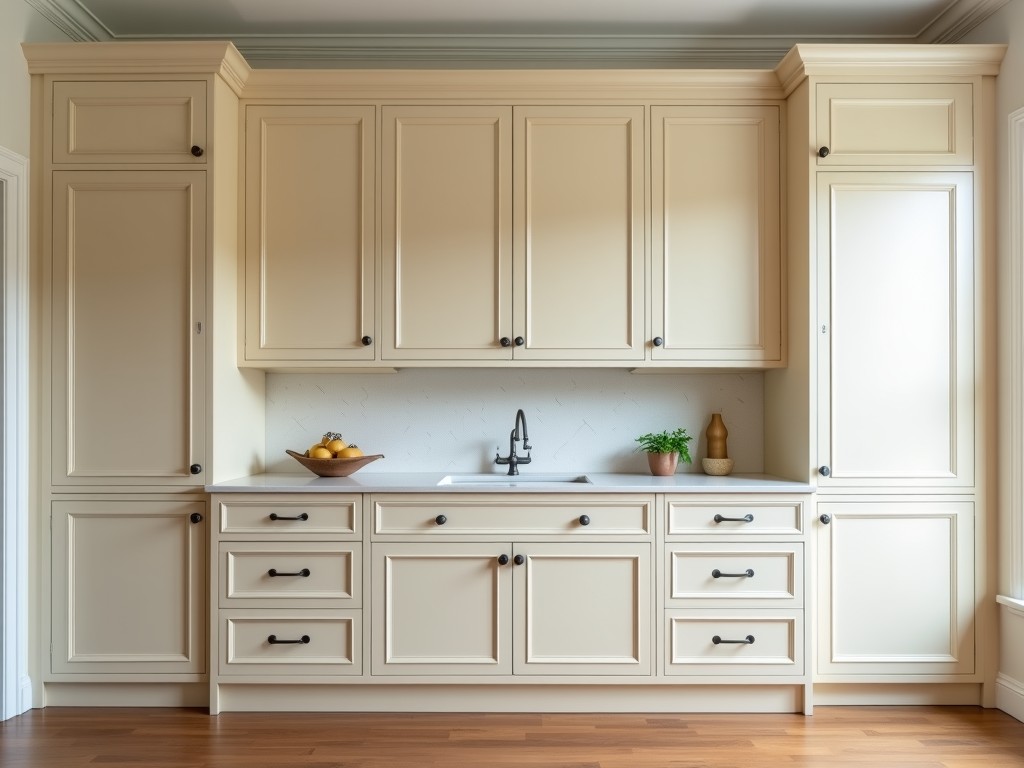
French cream kitchen cabinets refer to a specific finish and style derived from traditional French provincial design, characterized by a warm, off-white hue with subtle yellow or beige undertones.
- Category:
- Kitchen Cabinet
French Cream Kitchen Cabinets
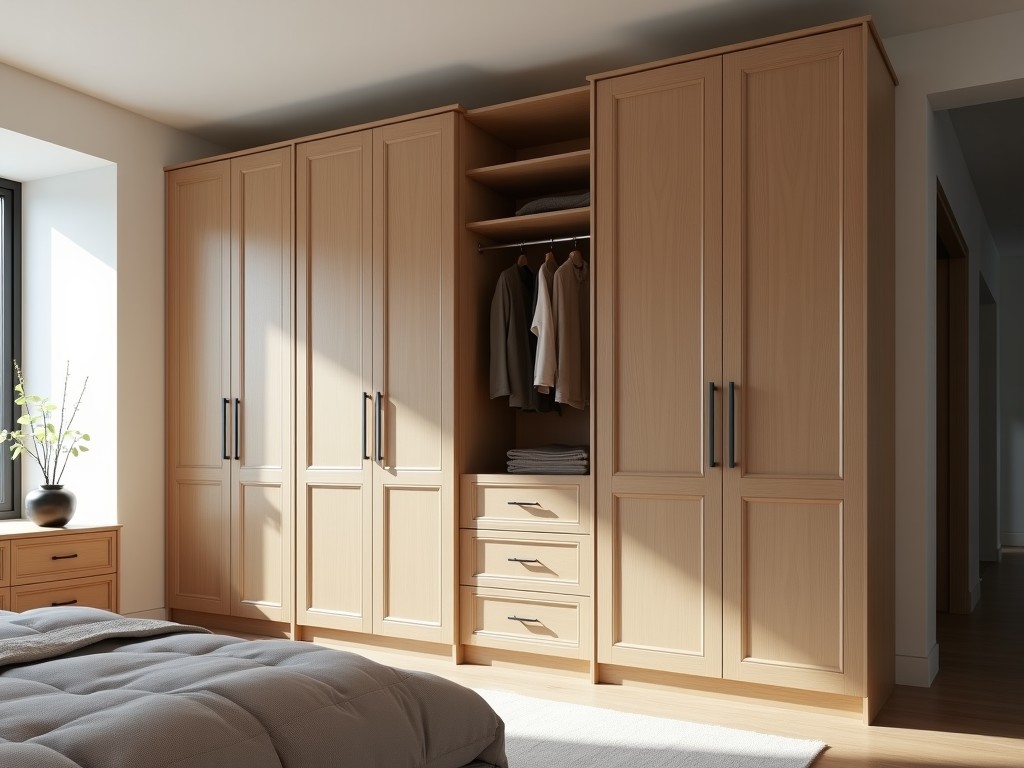
French cream kitchen cabinets refer to a specific finish and style derived from traditional French provincial design, characterized by a warm, off-white hue with subtle yellow or beige undertones. This finish is achieved through multiple layers of glazing and staining techniques applied to solid wood or engineered substrates, resulting in a surface that mimics aged plaster or limestone. The aesthetic emphasizes softness and historical continuity rather than high-gloss modernity, making it suitable for both restoration projects and new constructions seeking timeless appeal.
Material Composition and Substrate Options
The structural integrity of French cream cabinets depends on the substrate material, which must support the multi-step finishing process without warping or delaminating. Common substrates include kiln-dried solid hardwoods like poplar or maple for frame-and-panel construction, and moisture-resistant MDF or plywood for slab doors. Solid wood offers superior screw-holding capacity and repairability, while engineered panels provide dimensional stability in humid environments. All substrates are sanded to 180-grit smoothness before finishing to ensure uniform stain absorption.
Finishing Process and Color Characteristics
The French cream finish is not a single paint layer but a sequenced application designed to create depth and subtle variation. It begins with a base coat of off-white primer, followed by a diluted yellow-ochre glaze wiped selectively into recesses, then a topcoat of satin or matte lacquer. The glaze penetration varies by wood grain, producing natural highlights that simulate decades of light exposure. Color consistency is monitored using spectrophotometer readings, with target L*a*b* values of L: 88-92, a: 1-3, b: 8-12 to maintain the warm neutral tone across batches.
Durability and Performance Standards
Industrial buyers prioritize finish longevity under kitchen conditions, including exposure to steam, grease, and frequent cleaning. The cured lacquer topcoat achieves a pencil hardness of 2H-3H and resists common household cleaners containing ammonia or alcohol for up to 200 cycles without visible degradation. Edge sealing is critical; all cut edges receive identical finishing to prevent moisture ingress. Accelerated aging tests (UV-A 340nm, 8hr cycles) show <5% ΔE color shift after 500 hours, confirming suitability for indirect sunlight exposure.
Design Flexibility and Customization
French cream cabinets accommodate diverse architectural details through customizable framing, panel profiles, and hardware integration. Frame styles range from 1.5-inch flat mullions to 3-inch ogee or bead-and-reveal designs, affecting both aesthetics and structural rigidity. Panel options include raised veneer, flat slab, or beadboard inserts, each influencing shadow lines and light reflection. Hardware placement—hinges, handles, and drawer slides—is templated to standard 32mm or European systems, allowing interchangeability without refinishing.
Applications in Commercial and Residential Kitchens
This finish is particularly effective in environments where visual warmth compensates for limited natural light, such as urban apartments or north-facing kitchens. In hospitality settings—boutique hotels, cafes, or bed-and-breakfasts—the French cream tone reduces visual fatigue compared to stark white or gray finishes, supporting longer dwell times. For multi-unit residential developments, the finish provides a neutral backdrop that allows tenants to introduce personal color through accessories without clashing, improving long-term marketability.
Quality Control and Inspection Protocols
Each cabinet unit undergoes three-stage inspection: substrate verification (moisture content <8%, flatness tolerance ±0.5mm per 300mm), finish adhesion (cross-hatch test per ASTM D3359, minimum 4B rating), and color uniformity (ΔE <2.0 between adjacent units under D65 lighting). Random samples are subjected to 24-hour humidity cycling (30%→90% RH) to check for blushing or cracking. Documentation includes batch-specific spectrophotometer logs and adhesion test records, available upon request for project audits.
Packaging and Logistics Considerations
Finished cabinets are protected during transit using layered packaging: corner protectors made of expanded polypropylene, edge guards with moisture-barrier film, and interleaving sheets of non-abrasive kraft paper between surfaces. Units are packed in double-wall corrugated cartons with 60psi burst strength, sealed with pressure-sensitive tape. For LTL shipments, palletized units include top and bottom load spreaders to prevent point loading. All packaging materials are recyclable and compliant with ISPM 15 for international transport.
Typical Specifications
| Parameter | Typical Value or Range |
|---|---|
| Substrate Material | Solid hardwood (poplar/maple), MDF, or plywood |
| Finish Type | Multi-layer glaze + satin/matte lacquer |
| Color Target (L*a*b*) | L: 88-92, a: 1-3, b: 8-12 |
| Pencil Hardness | 2H-3H (ASTM D3363) |
| Edge Sealing | Full perimeter, identical to face finish |
| Packaging | Double-wall carton, corner protectors, interleaving |
French cream kitchen cabinets combine historical aesthetic principles with measurable performance standards suitable for commercial and residential procurement. The finish is not merely decorative but engineered for consistency, durability, and adaptability to diverse project requirements. Buyers benefit from reduced risk through documented material specifications, repeatable color control, and packaging designed to preserve surface integrity through distribution.
For project-specific inquiries regarding dimensions, material selection, or finishing adjustments, contact our technical team to discuss customization options and lead times.