China Kitchen Cabinet Factory
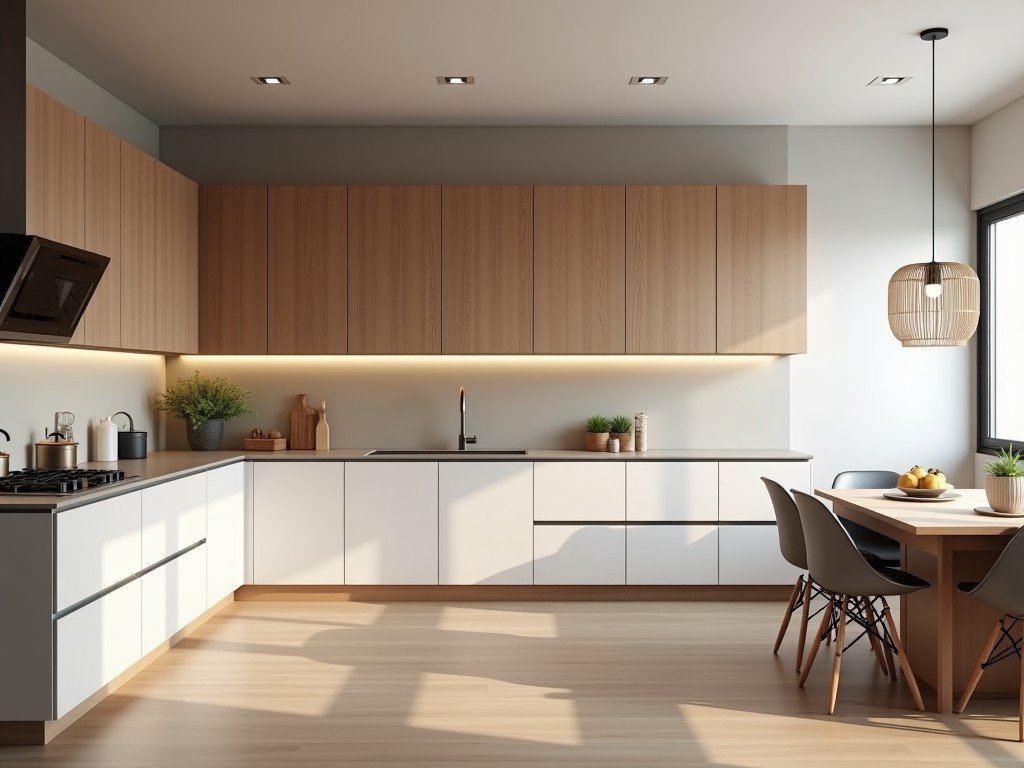
China Kitchen Cabinet Factory
When sourcing kitchen cabinets at scale, procurement engineers and project managers prioritize dimensional consistency, material traceability, and production repeatability over marketing claims. This
- Category:
- Kitchen Cabinet
China Kitchen Cabinet Factory: Industrial Manufacturing Capabilities for Commercial and Residential Projects
When sourcing kitchen cabinets at scale, procurement engineers and project managers prioritize dimensional consistency, material traceability, and production repeatability over marketing claims. This page outlines the technical parameters, manufacturing workflows, and quality control systems employed by established cabinet manufacturing facilities in China that serve B2B clients in North America, Europe, and Southeast Asia. Understanding these factors reduces uncertainty in supplier qualification and supports informed decision-making for large-volume orders.
Core Manufacturing Processes in Cabinet Production
Cabinet production begins with substrate preparation, where raw materials such as particleboard, MDF, or plywood are cut to precise tolerances using CNC saws with positional accuracy within ±0.1mm. Edge banding is applied via hot-air or laser systems to achieve seamless adhesion, with thickness typically ranging from 0.4mm to 2.0mm depending on material and end-use requirements. Drilling and routing operations follow, using multi-spindle boring machines to ensure hole alignment for hinges, shelf pins, and connector systems across all units in a production batch.
Assembly involves mechanical fasteners (confirmat screws, cam locks, or dowels) or adhesive bonding, selected based on load expectations and disassembly needs. For frameless (European-style) cabinets, precision is critical to maintain 2mm reveal tolerances between doors and carcasses. Face-frame cabinets require additional milling and joining steps to ensure square corners and consistent stile/rail dimensions. All processes are monitored through in-line checks to detect deviations before finishing.
Material Options and Performance Characteristics
Substrate choice directly impacts structural integrity, moisture resistance, and screw holding strength. Particleboard (typically 600–800 kg/m³ density) offers cost efficiency for dry environments but exhibits limited screw retention after repeated use. MDF (700–850 kg/m³) provides superior surface uniformity for painted finishes and consistent machining, though it swells significantly when exposed to water. Plywood (with 5–7 plies and phenolic or melamine glue lines) delivers the highest moisture resistance and screw holding capacity (>1200N withdrawal force), making it suitable for humid climates or base cabinet applications.
Surface finishes include melamine foil (0.1–0.3mm thick, abrasion resistance AC3–AC5 per EN 14322), PVC film (0.18–0.30mm, flexible for thermoforming), UV-cured coatings (2–4 mil dry film thickness, >90% gloss retention after 500h UV exposure), and water-based lacquers (low VOC, <50g/L). Each finish undergoes standardized testing for scratch resistance, stain resistance, and adhesion (cross-hatch test per ASTM D3359) before release. Custom veneers or solid wood overlays are available upon request, with species-specific movement allowances factored into panel design.
Quality Control and Inspection Protocols
Quality assurance begins with incoming material verification, where substrate density, moisture content (<8% for interior use), and formaldehyde emissions (CARB Phase 2 or E0/E1 compliant) are validated using calibrated instruments. During production, automated vision systems check edge band alignment, hole placement, and surface defects at rates exceeding 100 units per minute. Dimensional audits are conducted hourly on randomly selected cabinets, measuring diagonal difference (should be <3mm for squareness), depth consistency, and door gap uniformity.
Finished goods undergo functional testing: door cycle tests (20,000 open/close cycles with 2kg load), shelf load testing (typically 150kg distributed load for 24h without permanent deflection >L/200), and hinge adjustment verification. Packaging integrity is assessed via drop tests (ISO 2248) and vibration simulation to ensure protection during transit. All inspection records are retained for traceability, with batch-specific reports available upon request prior to shipment.
Customization and Project Integration
Customization extends beyond dimensions to include modular system compatibility. Cabinets can be engineered to accept specific hardware lines (e.g., Blum, Hettich, Grass) with pre-drilled mounting plates and adjustable hangers. Interior accessories such as pull-out trays, corner carousels, and vertical dividers are designed as integrated modules, not aftermarket additions. For OEM clients, factories provide CAD/DXF files for review and support BIM Level 2 integration through IFC exports when required.
Labeling and packaging are customized per project: cartons include barcodes for warehouse scanning, corner protectors, and edge guards made from recycled foam or cardboard. Export packaging meets ISPM 15 standards for wood pallets and includes moisture barriers for sea freight. Clients may request region-specific labeling (e.g., FCC, CE, or UKCA marks) though these apply to electrical components rather than the cabinets themselves. Lead times typically range from 25–45 days after drawing approval, depending on material availability and finish complexity.
Typical Specifications for Commercial-Grade Kitchen Cabinets
| Parameter | Typical Value | Notes |
|---|---|---|
| Carcass Thickness | 16mm or 18mm | Particleboard, MDF, or plywood; 18mm preferred for base cabinets |
| Door Thickness | 16mm–22mm | Depends on substrate and finish; foil-wrapped doors typically 18mm |
| Shelf Load Capacity | 120–180kg (uniformly distributed) | Tested per ANSI/KCMA A161.1; deflection |
| Hinge Type | Full-overlay, soft-close, 110° opening | Adjustable in 3-way (depth, side, height) |
| Formaldehyde Emission | ≤0.05 ppm (CARB Phase 2 / E0) | Verified via desiccator or chamber test |
| Edge Band Thickness | 0.4mm–2.0mm | PVC, ABS, or melamine; laser-preferred for seamless finish |
These values represent common configurations for mid-to-high volume projects. Actual specifications are determined by load requirements, environmental conditions, and design intent. For example, healthcare or laboratory installations may require seamless edges, antimicrobial coatings, or higher load ratings, which necessitate material and construction adjustments. Clients are advised to provide detailed schedules, including appliance cutouts, plumbing chases, and electrical access points, during the quotation phase to avoid redesign cycles.
Environmental and Compliance Considerations
Reputable factories maintain chain-of-custody documentation for raw materials, including FSC or PEFC certification for wood-based panels where requested. Formaldehyde emissions are controlled through low-resin formulations and post-curing processes, with quarterly third-party testing to validate compliance. Waste streams are segregated: wood offcuts are repurposed for pallets or energy recovery, while packaging materials are designed for recyclability. Water-based finishes reduce VOC emissions by >50% compared to solvent-based alternatives, supporting indoor air quality goals in sensitive environments.
Electrical components (if integrated, such as LED lighting or motorized lifts) are sourced from suppliers with CE, UL, or CB certification, and the final assembly undergoes basic electrical safety checks. However, the cabinet structure itself does not require CE marking as it is classified as furniture. Clients needing compliance with specific regional regulations (e.g., California Prop 65, EU REACH) should confirm material formulations during sample evaluation, as restrictions vary by jurisdiction and application.
Requesting Technical Documentation and Samples
To initiate a technical evaluation, buyers should provide: project scale (number of units), preferred substrate and finish, hardware specifications, dimensional tolerances required, and target delivery schedule. Factories typically respond with a detailed quotation including material certifications, test reports (e.g., load, adhesion, emission), and proposed packaging samples. Physical samples—usually a full base cabinet, wall cabinet, and drawer unit—are available upon request, with shipping costs often credited against the first order.
Sample evaluation should focus on critical junctions: door-to-carcass gap consistency, shelf pin hole alignment, edge band adhesion under stress (e.g., boiling water test for 2h), and finish uniformity under angled lighting. Requesting a cut-section of a sample allows inspection of internal construction, adhesive coverage, and fastener placement. This hands-on assessment reduces reliance on catalog images and provides tangible data for internal approval processes.
For technical inquiries, material data sheets, or to discuss project-specific requirements, contact the manufacturer’s engineering team directly. Providing detailed drawings, load expectations, and environmental conditions enables accurate quoting and minimizes the risk of misalignment during production. Early engagement supports value engineering opportunities, such as substituting materials without compromising performance or optimizing packaging for reduced freight costs.



