Asian Style Buffet Cabinet Factory
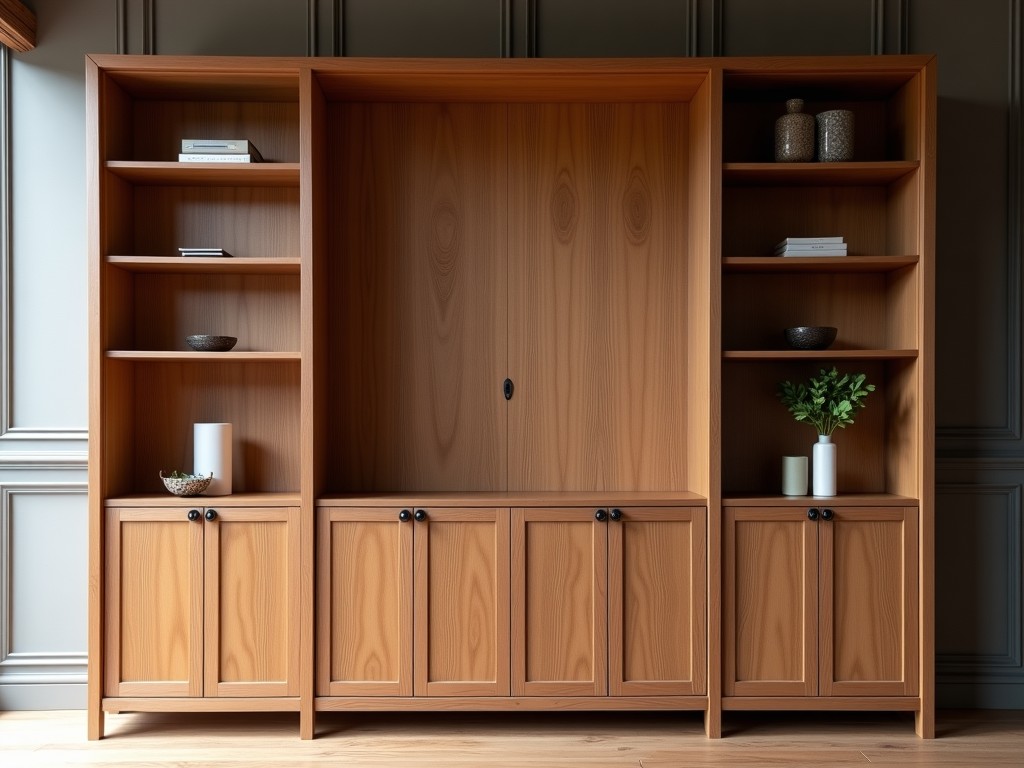
Asian Style Buffet Cabinet Factory
Industrial buyers sourcing buffet cabinets for Asian cuisine service require equipment that meets specific thermal, structural, and hygiene standards. This page explains the manufacturing
- Category:
- Kitchen Cabinet
Asian Style Buffet Cabinet Factory: Manufacturing Solutions for Commercial Food Service
Industrial buyers sourcing buffet cabinets for Asian cuisine service require equipment that meets specific thermal, structural, and hygiene standards. This page explains the manufacturing considerations, material specifications, and customization options relevant to procuring these units from a factory specializing in Asian-style buffet cabinets.
Core Design Principles for Asian Buffet Cabinets
Asian buffet service often involves high-moisture foods, frequent temperature cycling, and prolonged exposure to steam and oils. Cabinet design must address these conditions through material selection, joint construction, and surface finishes that resist corrosion, warping, and bacterial growth.
Typical configurations include heated wells, cold pans, and ambient storage zones arranged to support serving lines for dishes such as dim sum, noodles, rice, and curries. The layout prioritizes accessibility for both staff and customers while maintaining stable food holding temperatures per HACCP guidelines.
Material Selection and Construction Standards
Exterior panels commonly use 304 stainless steel with a brushed finish (No. 4) for corrosion resistance and ease of cleaning. Interior food-contact surfaces may incorporate 316 grade in high-salt or acidic environments. Frame structures typically employ 1.2mm to 1.5mm thickness stainless steel tubing or channels for load-bearing capacity.
Insulation materials in heated compartments often consist of polyurethane foam with a minimum R-value of 5 per inch, enclosed within stainless steel liners. Door gaskets are usually compressible silicone or EPDM rubber rated for continuous operation between -20°C and 120°C.
Thermal Performance and Energy Efficiency
Heated buffet cabinets maintain food temperatures between 60°C and 75°C using low-density heating elements distributed across the base or walls of wet or dry wells. Temperature control is achieved via PID controllers with ±2°C accuracy, reducing energy overshoot and minimizing surface hot spots.
Energy consumption typically ranges from 1.5 to 3.5 kW per unit depending on size and insulation quality. Factories may offer optional thermal curtains or lid systems to reduce convective losses during intermittent service, improving efficiency by up to 25% in buffet-style operations.
Customization Options for Project-Specific Requirements
Manufacturers adapt standard designs to fit venue layouts, power constraints, and menu-specific needs. Common modifications include adjusting well dimensions for specific pan sizes (e.g., GN 1/1, GN 2/3), adding sneeze guards with tempered glass, or integrating caster systems with load ratings matching the cabinet’s fully loaded weight.
Electrical configurations can be customized for single-phase or three-phase input, voltage (110V, 220V, 380V), and frequency (50Hz/60Hz). Control panels may be mounted externally or recessed based on ergonomic and safety assessments.
Quality Control and Factory Testing Procedures
Before shipment, units undergo functional testing including temperature ramp tests (heating from 25°C to 70°C within 30 minutes), humidity retention checks in wet wells, and door seal integrity verification using pressure decay methods. Electrical safety tests include ground continuity and insulation resistance measurements per IEC 60335-2-89.
Visual inspections confirm weld consistency, surface finish uniformity, and alignment of moving parts. Factories typically provide test reports and material certificates upon request, supporting due diligence for international procurement.
Packaging and Export Logistics
Units are packed using multi-layer protection: inner polyethylene film to prevent surface scratching, middle layer of corrugated cardboard or honeycomb board for impact resistance, and outer wooden crate or steel-reinforced pallet for forklift handling. Corner protectors and edge guards are standard for units exceeding 150 kg.
Export packaging complies with ISPM 15 standards for wood treatment. Shipping dimensions and weight are provided early in the quotation process to facilitate freight planning. Consolidated loading options are available for multiple-unit orders to optimize container utilization.
| Specification | Typical Range / Options |
|---|---|
| Exterior Material | 304 Stainless Steel (Brushed No. 4) |
| Interior Food Contact | 304 or 316 Stainless Steel |
| Heated Well Temperature | 60°C – 75°C (±2°C control) |
| Insulation R-Value (per inch) | ≥5 (Polyurethane Foam) |
| Door Seal Material | Silicone or EPDM Rubber |
| Frame Thickness | 1.2mm – 1.5mm |
| Electrical Input | 110V–380V, 50/60Hz, 1Ø/3Ø |
| Energy Consumption | 1.5 – 3.5 kW |
Procurement teams are advised to provide detailed operational requirements early in the quotation process, including expected food types, service duration, ambient conditions, and spatial constraints. This enables the factory to recommend appropriate configurations, validate thermal performance, and ensure compliance with relevant food safety standards.