China Wall Pocket Door System Factory
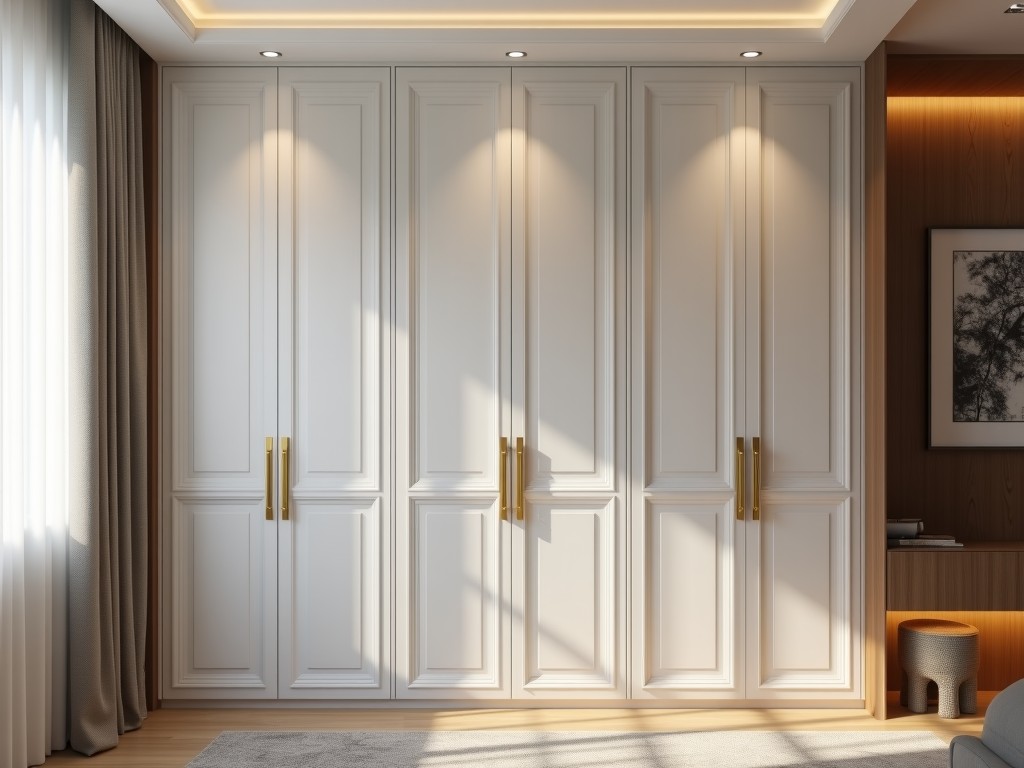
China Wall Pocket Door System Factory
Wall pocket door systems are engineered to slide the door panel completely into a cavity within the wall, eliminating swing clearance and maximizing usable floor space. This mechanism relies on
- Category:
- Interior Door
China Wall Pocket Door System Factory
Core Design and Functionality
Wall pocket door systems are engineered to slide the door panel completely into a cavity within the wall, eliminating swing clearance and maximizing usable floor space. This mechanism relies on precision roller assemblies, guide tracks, and stop mechanisms to ensure smooth, quiet operation over thousands of cycles. The system’s performance depends on tight tolerances between the door panel, track, and housing, typically maintained within ±0.5mm during fabrication.
Load capacity is determined by the roller bearing type and track material, with standard configurations supporting door weights up to 80kg for residential use and 120kg for commercial applications. The cavity depth must accommodate the door thickness plus clearance for hardware, usually ranging from 100mm to 150mm depending on the door specification. Proper installation requires structural framing that can support the lateral loads transferred through the track system.
Material Selection and Durability
Track systems are commonly fabricated from cold-rolled steel with a zinc-coated finish to resist corrosion in humid environments, achieving salt spray resistance of up to 240 hours per ASTM B117. For high-moisture areas like bathrooms or coastal facilities, stainless steel grades 304 or 316 are available, offering superior resistance to chloride-induced pitting. The roller assemblies typically use nylon or polyurethane tires over sealed ball bearings to minimize noise and prevent track wear.
Door panels can be constructed from various substrates including hollow core composite, solid wood, aluminum frames with infill, or steel-reinforced composites, each affecting the overall system weight and stiffness. The pocket housing is usually formed from galvanized steel studs and track channels, designed to integrate with standard drywall or masonry construction. Surface finishes on exposed components are powder-coated or anodized to match architectural hardware specifications.
Customization and Integration Options
Systems are designed to accommodate non-standard door dimensions, with widths customizable from 600mm to 1200mm and heights up to 2800mm, subject to structural validation of the header and jamb support. Hardware packages can include soft-close dampers, synchronized bi-parting mechanisms, or electronic access controls integrated into the track. Threshold options range from recessed floor guides to surface-mounted strips, selected based on flooring type and accessibility requirements.
For fire-rated applications, the system incorporates intumescent seals within the pocket and specialized door cores rated for 30, 60, or 90 minutes per EN 1634-1. Acoustic performance is enhanced through perimeter seals and mass-loaded door constructions, achieving STC ratings up to 45 when combined with appropriate wall construction. All customizations require coordination with the building’s structural and MEP plans to avoid conflicts with wiring, plumbing, or HVAC conduits within the wall cavity.
Quality Control and Testing
Each system undergoes functional testing before shipment, including cycle testing of 25,000 open-close operations to verify roller and track endurance. Door alignment is checked using laser measurement tools to ensure vertical and horizontal tolerances remain within ±1mm after simulated load testing. Hardware components are inspected for surface defects, coating thickness, and proper assembly torque using calibrated tools.
Material traceability is maintained for critical components such as steel tracks and roller bearings, with mill certificates available upon request. Final inspection includes verification of all included parts against the packing list, functional operation of soft-close mechanisms, and confirmation that the door panel sits flush with the wall surface when fully recessed. Packaging is designed to protect delicate components during transit, with corner protectors and moisture barriers used for export shipments.
Applications in Industrial and Commercial Settings
In healthcare facilities, wall pocket doors are used in patient rooms and corridor partitions where space efficiency and infection control are critical—eliminating door swing reduces contact surfaces and allows for easier equipment movement. The system’s compatibility with lead-lined or radiation-shielded door panels makes it suitable for radiology suites, provided the wall cavity is reinforced to support the additional weight.
Data centers and control rooms utilize these systems for acoustic isolation between sensitive equipment zones, where the combination of high-mass doors and sealed tracks minimizes sound transmission. In retail environments, pocket doors enable flexible display configurations that can be opened or closed without obstructing customer flow, particularly in high-traffic areas like mall kiosks or boutique entrances. The absence of a swinging door also improves ADA compliance by maintaining clear width requirements.
Typical Specifications Table
| Parameter | Typical Range / Option |
|---|---|
| Maximum Door Weight | 80kg (residential), 120kg (commercial) |
| Door Width Range | 600mm – 1200mm (customizable) |
| Door Height Range | Up to 2800mm (subject to header validation) |
| Track Material | Galvanized steel (standard), SS 304/316 (corrosive environments) |
| Roller Type | Sealed ball bearing with nylon/polyurethane tire |
| Cycle Test Endurance | 25,000 operations minimum |
| Fire Rating Compatibility | 30, 60, 90 min (with certified door core) |
| Acoustic Performance (STC) | Up to 45 (with seals and mass-loaded door) |
Ordering and Technical Support
To initiate a quotation, customers should provide detailed opening dimensions, door weight and material, wall construction type (stud or masonry), required hardware features (e.g., soft-close, locking), and any regulatory compliance needs (fire, acoustic, accessibility). Lead times typically range from 3 to 6 weeks for standard configurations, with extended timelines for custom engineering or material sourcing. Samples of track sections and roller assemblies are available upon request for validation testing.
Technical support includes submission of installation manuals, CAD details, and load calculation guides to ensure proper integration into the building structure. Export shipments are packaged in crush-resistant cartons with internal bracing and humidity indicators to prevent corrosion during transit. All documentation is provided in English, with additional language options available for specific markets.
For technical inquiries, customization requests, or project consultations, contact our engineering team to discuss your specific requirements.