Waterproof Outdoor Storage Cabinet Manufacturer
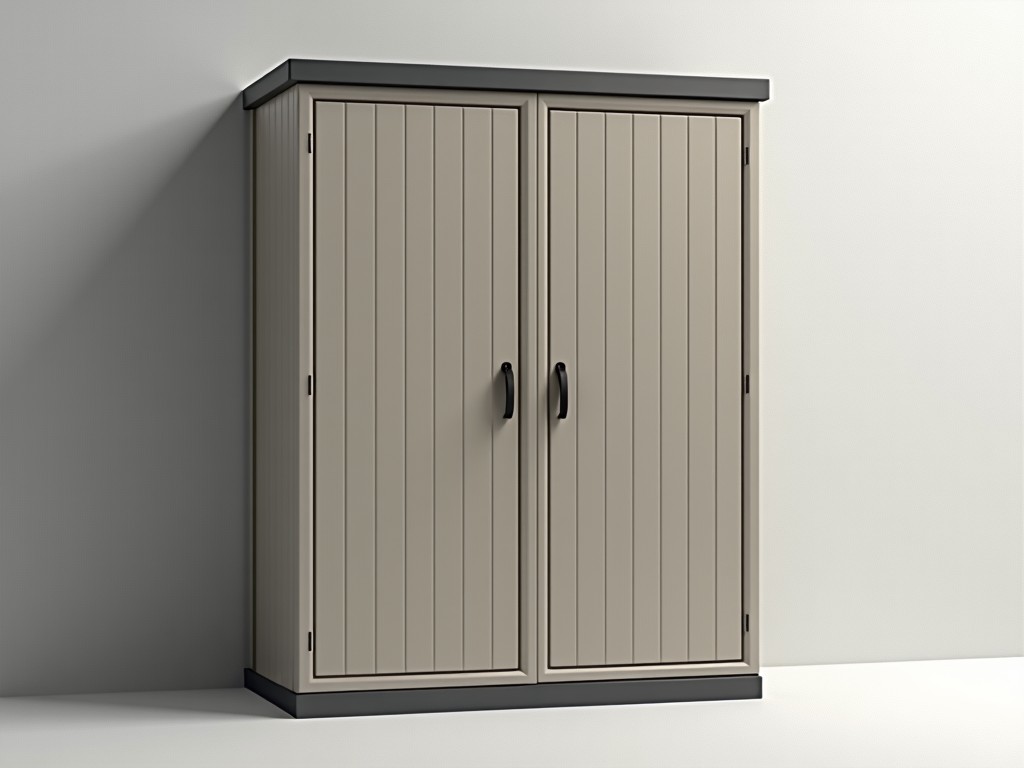
Waterproof Outdoor Storage Cabinet Manufacturer
Industrial equipment exposed to outdoor environments requires protection against moisture, dust, temperature fluctuations, and UV degradation. Waterproof outdoor storage cabinets are engineered to
- Category:
- Aluminum Alloy Balcony Cabinet
Waterproof Outdoor Storage Cabinet Manufacturer
Industrial equipment exposed to outdoor environments requires protection against moisture, dust, temperature fluctuations, and UV degradation. Waterproof outdoor storage cabinets are engineered to maintain internal dryness and structural integrity under prolonged exposure to rain, snow, humidity, and direct sunlight.
Unlike standard enclosures, these cabinets utilize sealed gaskets, corrosion-resistant materials, and drainage-optimized designs to prevent water ingress while allowing internal pressure equalization. Selection depends on ingress protection (IP) ratings, material thickness, hinge durability, and locking mechanism reliability under cyclic thermal stress.
Core Engineering Features of Waterproof Outdoor Storage Cabinets
Effective waterproofing begins with material selection. Commonly used substrates include galvanized steel with powder coating, stainless steel (grades 304 or 316), and fiberglass-reinforced polyester (FRP). Each material offers distinct advantages in corrosion resistance, weight, and impact strength.
Sealing systems typically employ EPDM or silicone gaskets compressed between door and frame surfaces to achieve IP65 or IP66 ratings. These ratings indicate resistance to water jets and dust ingress, validated through standardized testing (IEC 60529). Door closures often use multi-point locking mechanisms to ensure uniform seal compression across the entire perimeter.
Ventilation is incorporated via hydrophobic membranes or desiccant breather valves to equalize internal pressure without compromising water resistance. Internal drainage channels or raised floors prevent pooling of condensation or incidental water entry.
Material Options and Performance Characteristics
| Material | Corrosion Resistance | Typical Use Case | Weight (kg/m²) |
|---|---|---|---|
| Galvanized Steel + Powder Coat | Good (5+ years in mild environments) | General outdoor storage, utility sites | 12–18 |
| Stainless Steel 304 | Very Good (10+ years in industrial atmospheres) | Food processing, chemical plants, coastal zones | 15–22 |
| Stainless Steel 316 | Excellent (resists chlorides and marine exposure) | Marine equipment, offshore platforms, desalination plants | 16–24 |
| Fiberglass-Reinforced Polyester (FRP) | Excellent (immune to electrochemical corrosion) | Electrical substations, wastewater treatment, mining | 8–12 |
Design Considerations for Long-Term Outdoor Deployment
Thermal expansion and contraction induce cyclic stress on seals and fasteners. Cabinets designed for outdoor use incorporate floating door hinges or sliding latch mechanisms to accommodate dimensional changes without compromising seal integrity over time.
UV stabilization is critical for polymer-based components such as gaskets, handles, and viewing windows. Materials are selected with UV inhibitors or inherently stable polymers (e.g., fluoropolymers) to prevent embrittlement and cracking after prolonged sun exposure.
Security features include tamper-resistant hinges, concealed fasteners, and high-security cylinder locks rated for outdoor use. Some models integrate alarm-compatible hasps or electronic access control interfaces for remote monitoring.
Customization Capabilities for Industrial Applications
Standard configurations may not meet specific operational requirements. Manufacturers offer customization in dimensions, internal layout, mounting options, and accessory integration to align with site-specific constraints and workflow needs.
- Adjustable shelving systems with corrosion-resistant brackets
- Cable glands and conduit entry points for electrical or hydraulic lines
- Internal lighting with motion-activated, low-power LEDs
- Temperature monitoring probes or hygrometer ports
- Forklift-compatible bases or skid-mounted frames
Surface finishes can be tailored for aesthetic or functional needs, including anti-graffiti coatings, chemical-resistant topcoats, or color-coding for safety zone identification. All customizations undergo validation against the target IP rating to ensure performance is not compromised.
Quality Assurance and Testing Protocols
Reliability is verified through standardized environmental testing. IP ratings are confirmed via water spray and dust chamber tests per IEC 60529. Additional validation includes salt spray (ASTM B117) for corrosion resistance, thermal cycling (-40°C to +85°C) for seal durability, and impact resistance (IK rating) for mechanical robustness.
Each production batch undergoes sample testing for seal compression continuity using pressure decay or ultrasonic methods. Hinge and latch mechanisms are cycle-tested to simulate years of use. Documentation of test results is available upon request for project qualification.
Manufacturing processes follow ISO 9001 quality management principles, with traceability of materials, welding procedures, and surface treatment parameters. Final inspection includes visual checks for coating uniformity, seal alignment, and hardware torque verification.
Applications Across Industrial Sectors
In renewable energy installations, these cabinets house inverters, charge controllers, and battery management systems exposed to desert heat, coastal humidity, or alpine temperature swings. The ability to maintain stable internal conditions extends the service life of sensitive electronics.
Water treatment facilities use them to protect chemical dosing pumps, SCADA interfaces, and spare parts from corrosive atmospheres and washdown procedures. The non-reactive nature of FRP or 316 stainless steel prevents contamination risks.
Transportation infrastructure—such as rail signaling hubs, highway toll plazas, and airport ground support—relies on these cabinets to safeguard communication relays, power supplies, and maintenance tools from weather-induced failure.
Ordering Information and Project Support
To initiate a quotation, provide the following technical details: required internal dimensions (H×W×D), environmental conditions (temperature range, humidity, salt exposure), ingress protection target (IP65/IP66), material preference, mounting method (wall, pole, skid), and any required accessories (shelving, lighting, locks).
Lead times vary based on material availability and complexity of customization, typically ranging from 4 to 8 weeks for standard configurations and 8 to 12 weeks for fully engineered solutions. Export shipments are packaged in moisture-barrier wrap with corner protection and shock-absorbing pallets to prevent transit damage.
Sample units or material swatches are available for evaluation upon request. Technical support includes assistance with IP rating validation, load calculations for mounting, and compatibility checks with existing infrastructure.
For technical inquiries, customization requests, or project consultations, contact our engineering team.
Request a Quote or Technical Consultation